A destination wedding does not have to turn into a logistical headache. The key is choosing a place with the right infrastructure, being clear about who takes care of what, and sorting out the legal paperwork before announcing the date.
Once those three things are settled, getting married away from your hometown stops being a risk and becomes one of the most memorable decisions for the couple and their guests.
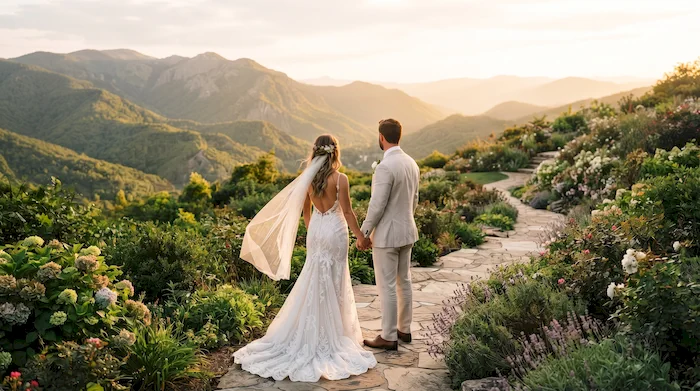
Every year, more Mexican couples are stepping away from the usual banquet hall and looking for a different setting, whether it is a garden in the mountains, a colonial hacienda, or a beach on the Pacific coast.
The challenge is not finding a beautiful place, but coordinating transportation, lodging, vendors, and paperwork without losing control of the budget, or your sanity, along the way.
A destination wedding is a celebration held somewhere other than where the couple, or most of the guests, usually live. It can be in another state, another region of the country, or even another continent, and what sets it apart from a traditional wedding is not just the distance, but the fact that it becomes a multi-day experience for everyone who attends.
In Mexico, this format has grown steadily over the past decade. The country ranks among the most requested international destinations for this type of celebration, thanks to its mix of natural scenery, renowned cuisine, and an increasingly professional events industry. States like Quintana Roo, Jalisco, and the State of Mexico capture a large share of this demand, each with a different offering: beach, countryside, or mountains.
The difference is not only the location, but the logistics. At a traditional wedding, most guests arrive and head home the same day. At a destination wedding, the couple takes on an extra role: for a weekend, they become the hosts of a small group trip. That means thinking about transportation, lodging, activities, and downtime, not just the ceremony and the reception.
Most of the complications associated with this type of celebration can be solved if you plan ahead. These are the three that cause the biggest headaches.
When the chosen location is far away, attendance naturally drops, because not everyone can take several days off work or pay for a flight. That is why more and more couples choose destinations within a manageable distance, one to two hours from major cities, where guests can drive or ride in transportation arranged by the couple, with no flights and no extra stay at an outside hotel.
Picking a date without checking the destination's weather patterns is one of the most common mistakes. A mountain area, for example, can have a very distinct rainy season, while a beach destination faces hurricane season during certain months. Checking the historical climate of the location, and not just the forecast for the week before, helps you avoid surprises on the big day.
Working with vendors who do not know the venue can make the event more expensive because of travel, lodging, and extra setup time. The most practical alternative is to choose a venue that already has a network of trusted vendors working in the area, or one that offers integrated services as part of its own operation, which reduces the number of contracts the couple has to manage separately.
The most effective way to cut down on logistical complexity is to choose a place that takes care of several things at once. Gran Malinalco, located 90 minutes from Mexico City, is an example of this model: its 9 hectares (about 22 acres) include a private chapel, an event hall, mountain-framed gardens, and lodging for more than 200 guests on the same property. Couples who plan their wedding here do not need to coordinate an outside hotel or shuttle guests between different locations, because the ceremony, the reception, and the rest all happen in one place. Learning more about this wedding venue near Mexico City helps show how a nearby destination can offer the same getaway feel as a distant one, without the hassle of a long trip.
This kind of exclusive-use venue also gives you full control of the calendar: the couple does not share the space with another event on the same day, which allows for longer setups and less pressure on vendors.
Want to compare options before deciding? Checking the availability and spaces of the private chapel is a good first step to figure out how big your event needs to be.
Not every destination wedding involves a flight. The following comparison helps show the real differences between a destination wedding on the beach or abroad and a nearby destination wedding, like those held in the State of Mexico.
| Factor | Faraway destination (beach or abroad) | Nearby destination (90 min from Mexico City) |
|---|---|---|
| Guest travel | Flight and several hours of travel | Car or ground transportation, 1 to 2 hours |
| Lodging | Outside hotel, separate reservation | Included at the venue itself, no transfers |
| Legal paperwork | May require additional documents or apostilles | Paperwork handled within the same country, no extra hassle |
| Weather risk | Hurricane season or heavy rain depending on the destination | Mountain climate, generally stable outside the rainy season |
| Estimated cost for guests | High (flight, hotel, and meals) | Moderate (transportation, lodging included) |
A venue like the event hall at Gran Malinalco sums up this idea well: it offers the getaway feel of a destination wedding, with the simplified logistics of a place close to the capital.
Getting legally married in a municipality other than your usual place of residence requires, in most Mexican states, presenting birth certificates, official ID, proof of address, and in some cases a current premarital exam. Each civil registry handles scheduling differently, so it is best to start the process two to three months before the event.
Many couples choose to take care of the civil paperwork privately and ahead of time, and save the chosen destination for a symbolic ceremony without the time or format restrictions that a civil judge requires. This alternative gives you more freedom to design the vows, the ritual, and the moment, and it is one of the reasons destination weddings have become so popular. In the article on symbolic vs. civil weddings, the differences between the two formats are explained in detail.
It is best to start nine to twelve months ahead, especially if the destination is in high demand during peak season. That window lets you lock in the date with the venue, move forward on the legal paperwork, and give guests enough time to plan their trip. For nearby destinations, like those a couple of hours from the city, six months is usually enough.
Not necessarily. The cost depends more on distance and guest count than on the format itself. A faraway destination wedding means flights and hotels, which does raise the cost, but a nearby destination wedding, with an exclusive-use venue and lodging included, can end up costing about the same as, or even less than, a traditional banquet hall in the city.
You will generally need recent birth certificates, valid official ID, proof of address, and a premarital exam, although the exact requirements vary depending on the state where the civil ceremony takes place. It is best to check directly with the civil registry of the chosen municipality several weeks in advance.
It depends on the type of destination. For mountain areas like the State of Mexico, the months from November to May tend to have more stable weather and a lower chance of rain. For beach destinations, you will want to avoid hurricane season, which runs mainly from June to November on the Pacific and Caribbean coasts of Mexico.
Planning a destination wedding without complications depends less on distance and more on choosing the right place. A venue that can handle lodging, ceremony, and reception in a single space removes much of the logistical risk that tends to worry couples and their families. Those looking for that combination of nature, privacy, and closeness to Mexico City can see firsthand how every element that makes a destination wedding memorable comes together in one place.
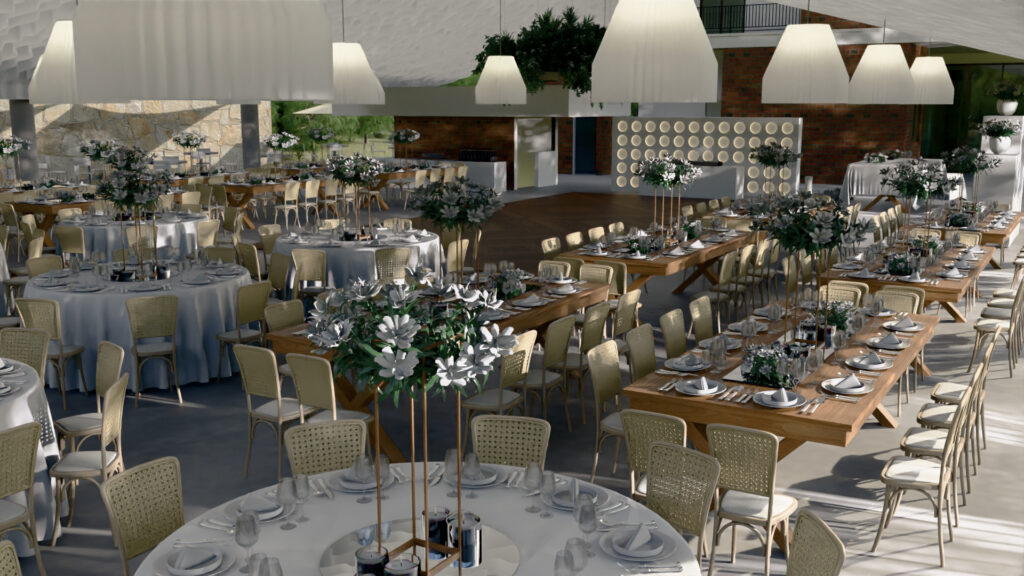
With accommodations for over 200 guests, a chapel, an event hall, and a private estate nestled in the natural surroundings of Malinalco.
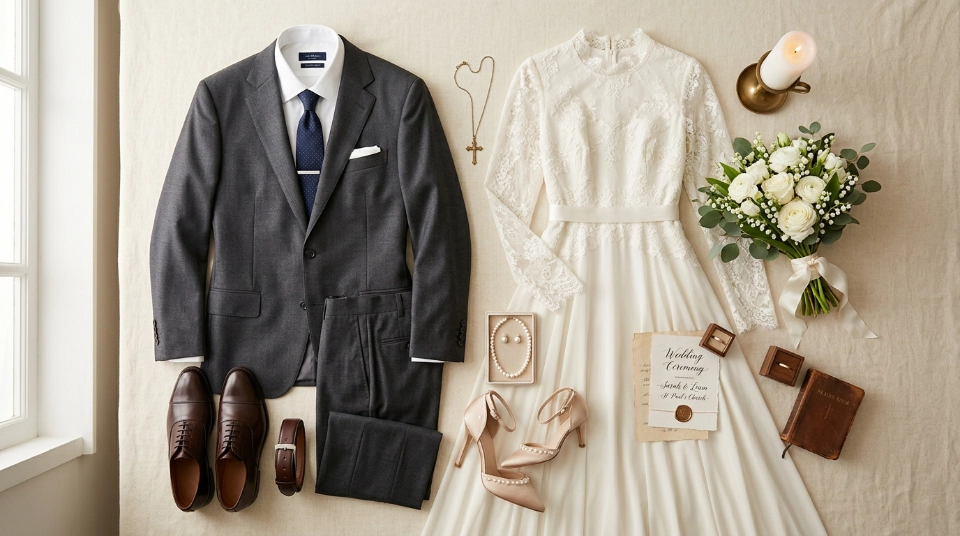
Realistic and varied looks for a church wedding, for both women and men