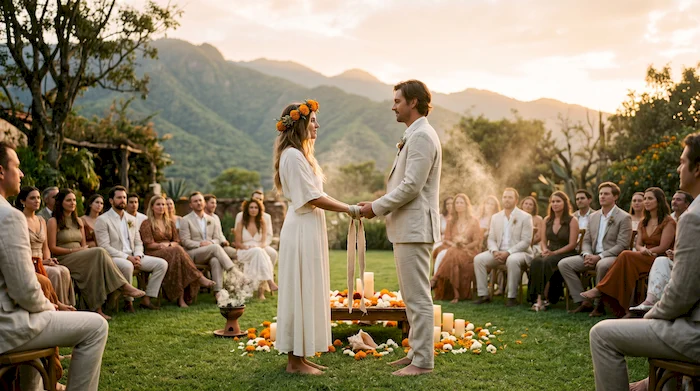
A spiritual wedding ceremony is the moment when a couple sets protocol aside and focuses on what it means to join two lives: a promise made in front of nature, loved ones and something bigger than the event itself. More and more couples in Mexico are choosing this format, either as a symbolic alternative to a religious ceremony or as a complement to the civil wedding, and the question that comes up most is how to plan one without improvising.
The short answer: define what it means to the couple, choose a tradition and a guide you trust, take care of the legal side first, pick a place with nature and privacy, and build a script with a few well-explained rituals. This guide walks through each step with practical examples for those planning a wedding in the State of Mexico, in Mexico City or at a nearby destination, and includes a table of ceremony types, a sample timeline and answers to the most searched questions.
A spiritual wedding ceremony is a ritual in which the couple expresses their commitment through symbols, intentions and elements of nature, without relying on a legal procedure or the rites of a particular church. It can draw on pre-Hispanic traditions, on contemporary practices such as handfasting, or on a mix of several. Its hallmark is personalization: every gesture carries a meaning the couple chose and the guide explains to the guests.
In Mexico, the marriage recognized by law is the civil marriage, performed before the Civil Registry. A spiritual union, however solemn, does not produce a marriage certificate. As explained in an interview published by Chilango, a celebrant of spiritual unions clarifies that no ceremony of this kind is legal and that its value lies in the rite, not on paper.
That is why many couples sign the civil paperwork first, a simple process scheduled in advance, and save the spiritual ceremony for the day of the celebration. Those still comparing options can browse our blog for guides on symbolic vs civil weddings to decide how to combine both.
There is no single format. The table below summarizes the options couples consider most often when planning a spiritual wedding ceremony, with their typical elements and the kind of couple each one suits best.
| Ceremony type | Origin | Typical elements | Ideal for |
|---|---|---|---|
| Tilma knot | Nahua culture | Copal, conch shell, four directions, tilma and huipil | Couples seeking Mexican roots |
| Four elements | Contemporary symbolic | Earth, water, fire and air | Outdoor weddings |
| Handfasting | Celtic tradition | Ribbon binding the hands | Intimate ceremonies |
| Union with a spiritual guide | Mixed | Intention, meditation and blessing | Couples with no religious affiliation |
| Sand, wine or tree | Symbolic | Blending of elements or planting | Those who want a visual gesture |
The tilma knot, according to México Desconocido, appears in the Codex Mendoza and is understood as a spiritual promise between two souls, not only as a rite of this world. Mexico's federal Ministry of Tourism, for its part, has included ceremonies such as the Wixárika one, led by a mara'kame, in its catalog of traditional weddings, with the goal of respecting the communities that preserve them.
Planning a spiritual wedding ceremony takes less logistics than a reception, but more conversation up front. The following seven steps organize the process so the ceremony day flows calmly.
Before looking for vendors, it helps for the couple to write down what they want to express, which beliefs they share and what they prefer to leave out. That conversation prevents tension when families offer different opinions and becomes the foundation for the script. A useful exercise is for each partner to write three words that describe the union, such as respect, home or adventure, and build the rituals around the overlap.
The guide sets the tone for the entire ceremony, so choosing one matters more than any decorative detail. It is wise to ask for references, see how they lead a ritual and ask where each practice they suggest comes from. For ceremonies with Indigenous roots, it is best to work with people who belong to that tradition or practice it with real training, because that honors its meaning and keeps it from becoming mere set design.
Since a spiritual ceremony does not replace the marriage certificate, the couple should schedule the civil marriage at their local Civil Registry and confirm requirements and timing with the office. Doing it beforehand removes the pressure of coordinating paperwork and ritual on the same day, and lets the ceremony be a moment with no signatures and no rush.
A ritual with copal, candles or a circle of guests works best in an open space with shade, quiet and control over who comes and goes. In Malinalco, a Pueblo Mágico in the State of Mexico about 90 minutes from Mexico City, the mountains and afternoon light provide a natural backdrop that needs almost no decoration.
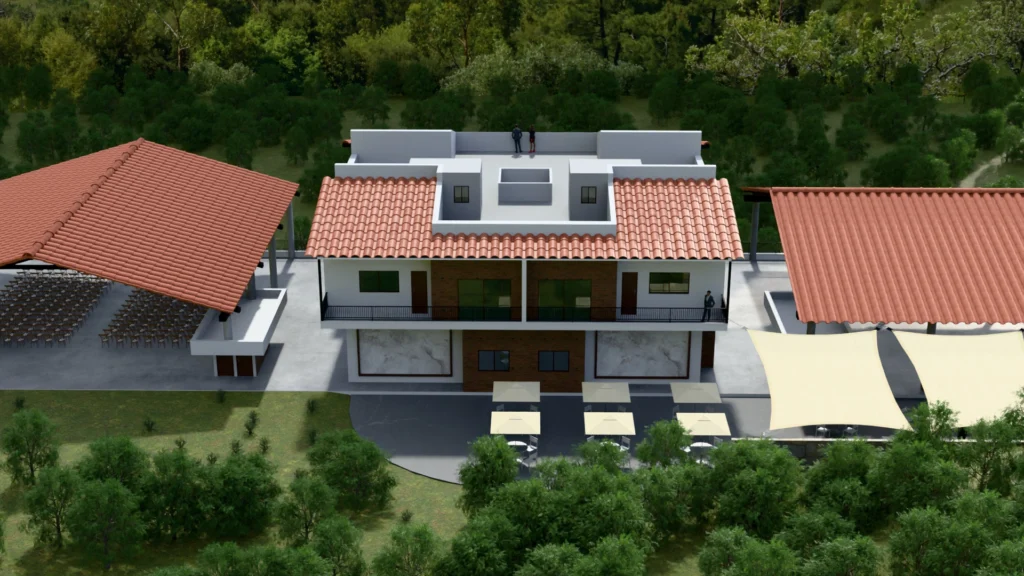
Gran Malinalco, for example, offers 9 hectares (about 22 acres) with exclusive-use rental, gardens, a private chapel and lodging for more than 200 guests, so attendees can stay on site and experience the ceremony without any transfers. Before booking any venue, confirm which elements are allowed, such as fire, incense or candles.
To see what a ceremony feels like among gardens and mountains, the page for the private chapel at Gran Malinalco shows the available spaces and their surroundings.
A spiritual ceremony usually works better with three to five symbolic moments than with a long list. Each ritual needs a short explanation for guests and a clear purpose. A common order is welcome and intention, purification, vows, unity ritual and a closing with gratitude.
Many guests have never attended a ceremony like this, so a short program, printed or sent by message, reduces any discomfort. It should state the duration, whether there will be copal smoke, whether guests are expected to stand and whether comfortable shoes are suggested. Giving notice in advance also lets you seat those who are sensitive to smoke or have limited mobility more thoughtfully.
An outdoor ritual depends on weather, wind and sound. A discreet microphone for the guide's voice, a covered alternate space and a person to coordinate the music cues are recommended. In central Mexico, the rainy season usually runs from June to October, something to keep in mind when choosing the date.
It is one of the most popular opening rituals because it marks the transition from the everyday to the ceremonial. According to México Desconocido, in the tilma knot ceremony incense bearers clear the path for each partner and a conch shell calls the guardians of the four directions before the ceremony begins. An adapted version can welcome the couple with copal smoke and a brief intention.
Handfasting consists of tying the couple's hands with one or several ribbons while they say their vows. The ribbon can include strips contributed by parents or friends, turning the moment into a shared gesture and not just the couple's own.
Each element is tied to a wish: earth for stability, water for emotion, fire for passion and air for communication. Four close loved ones can read a passage or hand over a symbol, which involves the family without making the ceremony too long.
Planting a tree or shrub during the ceremony creates a memory that grows over the years. It works especially well in a natural setting, as long as the venue allows it and there is a plan to care for what is planted.
As a planning reference, this order adapts to almost any tradition and holds guests' attention from start to finish.
No. Mexican law recognizes the civil marriage performed before the Civil Registry, so a spiritual ceremony works as a symbolic ritual and does not produce a marriage certificate. Most couples marry civilly ahead of time and hold the ritual on the wedding day. Exact requirements are confirmed with the Civil Registry of each state.
As a reference, between 30 and 60 minutes, depending on the number of rituals and how much guests take part. A ceremony longer than an hour tends to tire guests, especially if they are standing or in the sun. A script of three to five rituals fits comfortably in that window.
The ideal setting is an outdoor space with privacy, such as gardens, forests or terraces with mountain views. Malinalco, in the State of Mexico, is about 90 minutes from the capital and offers that landscape. At venues like Gran Malinalco, exclusive-use rental lets you control the atmosphere, though you should always confirm permits for fire, copal and music.
A spiritual guide, an independent celebrant, a ritual practitioner from a specific tradition, or even a relative or friend with a prepared script can do it. What matters most is that the couple trusts that person, knows the origin of each practice and rehearses with them before the big day.
The party ends in a few hours, but what happens during the ceremony is what the couple and their guests remember most clearly. A well-planned spiritual ceremony does not depend on the number of rituals, but on the honesty with which each one is lived and the care put into practical details, from the civil paperwork to the rain backup plan. Those who design it ahead of time often discover that the conversation beforehand, the moment when both decide what they want to promise each other, is already part of the ritual.
To explore the spaces where a ceremony like this can take place, among mountains and gardens with lodging on the same property, Gran Malinalco welcomes inquiries to talk through dates, format and the needs of each couple.
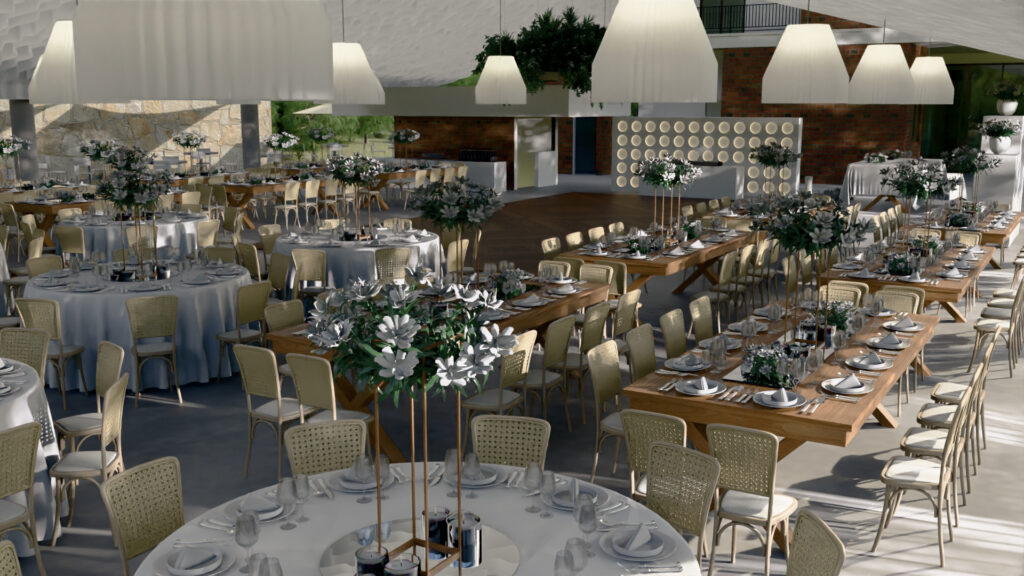
With accommodations for over 200 guests, a chapel, an event hall, and a private estate nestled in the natural surroundings of Malinalco.