The groom's suit is one of the decisions that creates the most pressure during wedding planning, and that is no accident: it defines the groom's central image in photographs, it has to feel comfortable through hours of celebration, and it needs to fit the overall style of the wedding. Choosing the perfect groom's suit means balancing personal taste, climate, budget, and the type of ceremony the couple has imagined. Couples planning a wedding in gardens, haciendas, or formal ballrooms face different needs, and a suit that looks flawless in a closed indoor venue may not be the best choice for an outdoor ceremony surrounded by nature. This guide walks through the essentials for making that decision wisely, suit types, recommended fabrics by climate, the difference between buying and renting, and the most common mistakes to avoid before the big day.
The first filter for choosing the perfect groom's suit is not the fabric or the color, but the setting where the wedding will take place. A ceremony inside a closed event hall, with artificial lighting and controlled temperature, allows for more structured suits and heavier fabrics without worrying about heat. An outdoor wedding, surrounded by gardens or mountains, calls for lighter fabrics and cuts that hold up through several hours standing without losing their shape.
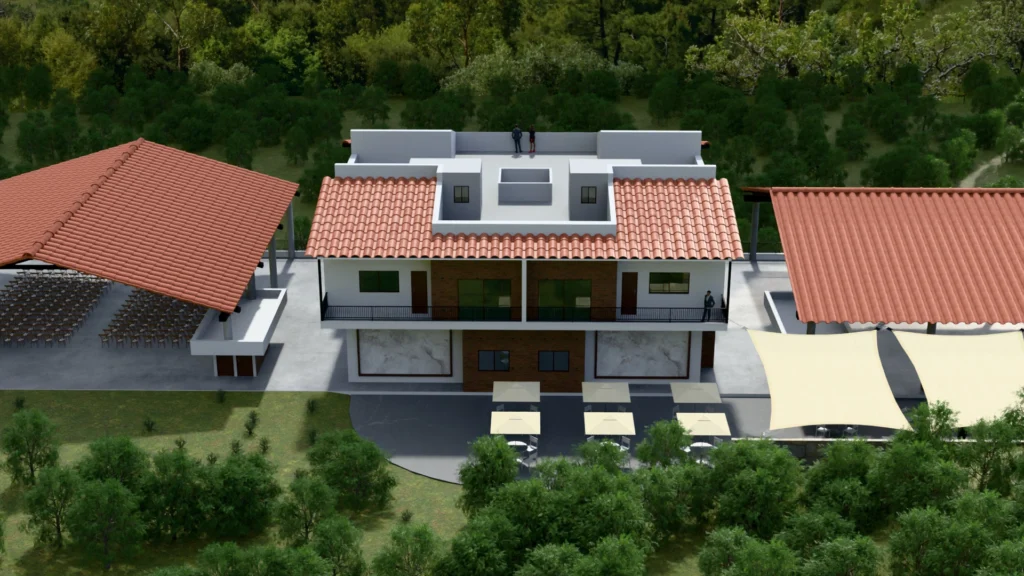
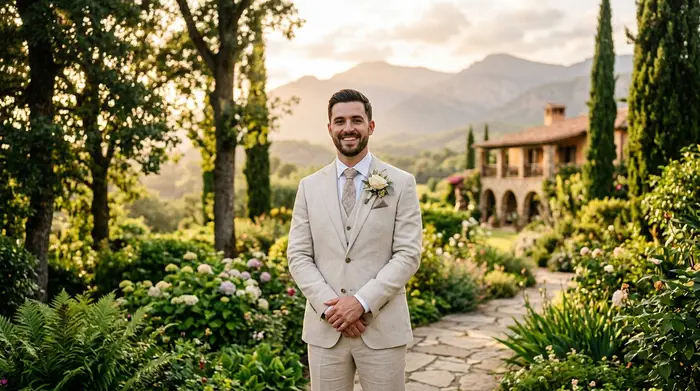
Weddings held in spaces like haciendas with extensive gardens tend to lean toward suits in neutral tones, beige, light gray, navy blue, that blend with the natural surroundings instead of competing with them. Venues like Gran Malinalco, which feature more than 9 hectares of gardens and a mountain setting 90 minutes from Mexico City, are a good example of how the landscape shapes this choice: a linen suit or a linen and cotton blend looks natural among the greenery and holds up better against the daytime heat in the State of Mexico. Couples looking for this type of setting can review the options at the wedding venue near Mexico City page to understand how the space shapes the rest of the decisions, including the suit.
A closed event hall with a more classic decor allows for dark suits, tuxedos, and fabrics with more body, such as fine wool or high end polyester blends. This format suits couples looking for a traditional aesthetic who do not need to worry about outdoor temperature, although it is worth confirming with the venue whether part of the reception will take place outside.
There is no single correct groom's suit, there are different styles that respond to the formality of the celebration and the time of day it takes place.
The tuxedo remains the most formal option and is generally reserved for evening ceremonies or strict black tie events. Its structured cut, satin lapels, and black details create a timeless image, although it requires extra care with heat if the celebration includes time outdoors.
Slim fit or tailored cuts in tones like navy blue, slate gray, or bottle green have gained popularity among couples looking for a balance between formality and comfort. This style works for both religious and civil ceremonies and allows more freedom with accessories, ties, or bow ties.
For daytime weddings or mild climates like Malinalco's, suits in linen, cotton, or breathable blends offer comfort without sacrificing elegance. Light colors and less structured cuts are ideal when the ceremony stretches several hours under the sun.
The fabric of the groom's suit determines both its appearance and comfort throughout the celebration. Linen is light and breathable, ideal for warm climates, although it tends to wrinkle easily, something worth considering if the photo session runs for hours. Fine wool offers structure and an elegant drape, works well in mild or cool climates, and is versatile for ceremonies that combine indoor and outdoor moments. Wool and polyester blends reduce wrinkling and hold up better for couples who plan to dance all night, although they can feel less breathable in warm climates like much of the State of Mexico during spring and summer.
Following a clear order avoids last minute decisions and reduces the margin for error.
Choosing between a custom made suit and a rented one involves differences that go beyond price. The comparison below summarizes the points that matter most when deciding.
| Aspect | Custom made suit | Rented suit |
|---|---|---|
| Initial cost | Higher, but it is an investment that you keep. | Lower, ideal for a tighter budget. |
| Personalization | Full, cut, fabric, and details chosen by the couple. | Limited to the store's available inventory. |
| Turnaround time | Requires 6 to 10 weeks and several fittings. | Available within days, ideal for tight timelines. |
| Fabric quality | The exact fabric and its quality are chosen. | Varies depending on the catalog and prior use of the garment. |
| Reuse | Kept for future formal events. | Returned after the event, with no further use. |
For couples who are still defining the overall style of the celebration, it is worth first getting to know the space where the wedding will take place: visiting the event hall helps visualize colors, lighting, and the atmosphere the suit will need to complement before making a final decision.
The setting of the religious ceremony also influences the final choice. A private chapel with stone and wood elements, like the one found in hacienda style spaces in Malinalco, favors warm tones and textured fabrics that look elegant both indoors and throughout the rest of the celebration. Reviewing the chapel where the ceremony will take place ahead of time helps anticipate how the suit will look under that specific lighting and against those background materials.
Just as the groom's suit needs to work with its surroundings, the bride's dress faces similar budget and style challenges. Couples looking for elegant options without straining the wedding budget can review how to achieve a budget wedding dress with style, a guide that shares practical criteria for keeping the desired look within a reasonable budget.
The cost varies depending on the fabric, the level of customization, and whether the couple buys or rents. In Mexico, a custom made groom's suit can range from around eight thousand to more than twenty five thousand pesos depending on the tailor and materials, while renting usually runs between 30% and 50% of that cost. Accessories like the tie, cufflinks, and shoes are typically priced separately.
It depends on the future use the couple has in mind and the available budget. Buying makes sense for those planning to reuse the suit at future formal events or who prefer a fully personalized fit, while renting is more practical for those looking to cut costs without sacrificing quality for a single occasion.
For outdoor ceremonies in mild climates, like those held at haciendas a short distance from Mexico City, lightweight fabrics in neutral tones tend to be the most comfortable and photogenic option. Less structured cuts in linen or cotton blends allow freedom of movement for several hours without losing a polished look.
It is best to start the process three to four months before the wedding, especially for a custom made suit that requires several fittings. This margin allows for stress free adjustments and avoids last minute surprises related to the tailor's delivery times.
Choosing the perfect groom's suit is not just about following a trend, it comes down to understanding the type of wedding, the local climate, and the comfort needed through hours of celebration. Defining the setting first, then the style, and finally the fabric and color details prevents rushed decisions and helps ensure the photographs reflect the consistency the couple wanted from the start. Couples who have not yet confirmed their ceremony location can use this stage of planning to explore venues that already combine a chapel, gardens, and a ballroom in a single property, simplifying many of these decisions.
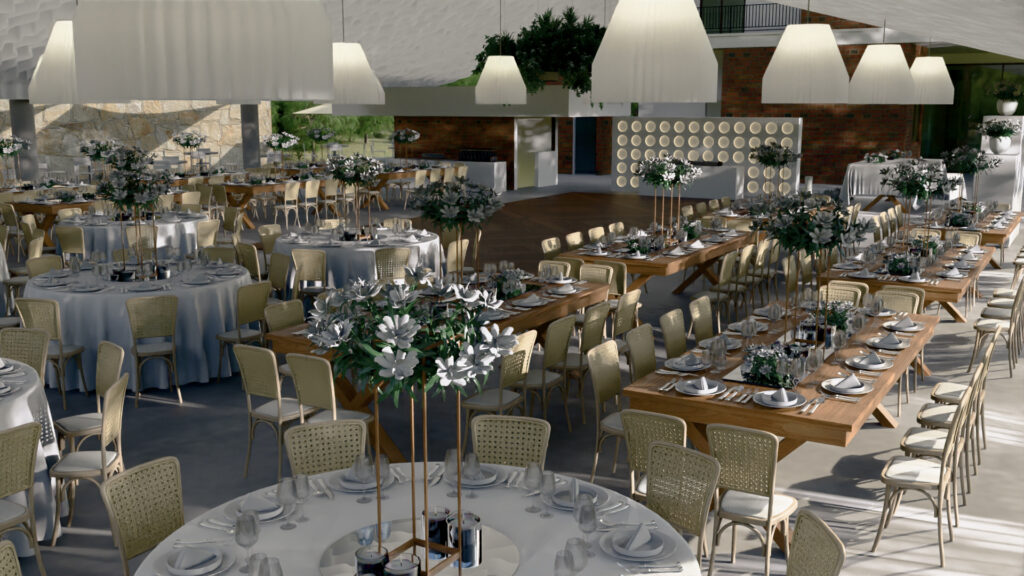
With accommodations for over 200 guests, a chapel, an event hall, and a private estate nestled in the natural surroundings of Malinalco.