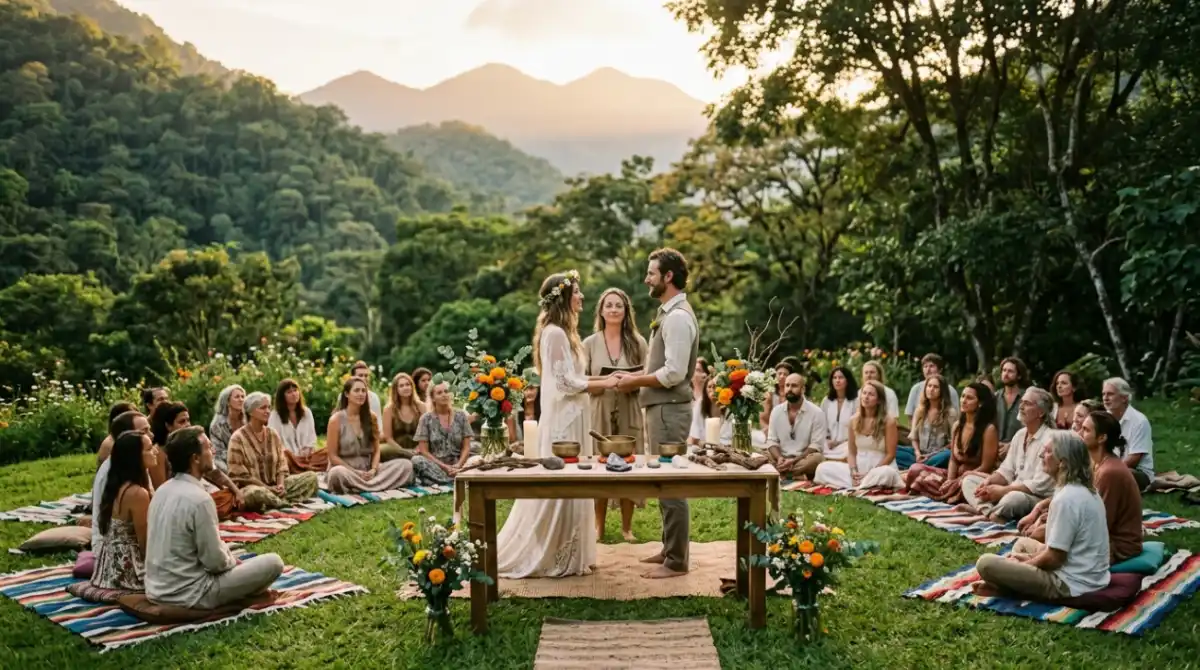
Choosing a wedding style goes way beyond picking colors or planning a menu. For many couples today, the ideal ceremony reflects who they truly are at their core: their values, their spirituality, and the way they understand love. Holistic weddings speak directly to that search. Rather than following a conventional script, they weave together the well-being of body, mind, and spirit throughout both the ceremony and the celebration, creating an experience that the couple and their guests genuinely feel, not just witness.
This wedding style has been gaining real momentum in Mexico, especially among couples traveling from Mexico City in search of natural settings that complement a more intimate, intentional celebration. It's not a passing trend, but a movement with deep roots in a new way of understanding life's rituals.
Below, we explore the defining characteristics of this approach, the most relevant trends, the elements you simply can't skip, and how to choose the right venue to bring it all to life.
The word "holistic" comes from the Greek holos, meaning "whole" or "complete." Applied to weddings, it means that every decision, from the music to the menu, is made with the emotional, spiritual, and sensory impact in mind. You're not just celebrating a legal or religious act; you're honoring the union of two people in every dimension of who they are.
Unlike a traditional wedding, where the structure tends to be fairly rigid (processional, ceremony, reception, dancing), a holistic wedding is designed from the inside out. The couple starts by defining what kind of experience they want to create and live, then builds every element around that vision. The result is a deeply personalized ceremony where every detail carries real symbolic meaning for the people at the center of it.
Holistic weddings have evolved quickly. What five years ago was a very niche choice now shows up in guides from major wedding publications in Mexico and beyond. Here are the trends setting the tone for 2025 and 2026:
Incorporating indigenous rituals like copal offerings, fire ceremonies, energetic cleansings, or talking circles adds real cultural and spiritual depth to the union. In Mexico, this also connects couples to a powerful ancestral heritage that many want to honor at one of the most significant moments of their lives.
Using essential oils, incense, and smudges made from local plants to set the atmosphere during the ceremony and reception speaks directly to the limbic system, linking scents with emotions and memories. Couples work with aromatherapy practitioners to craft a unique "wedding scent" that guests will always associate with that day.
Holistic wedding menus prioritize organic, locally sourced, and seasonal ingredients. Full plant-based menus, superfood stations, cacao ceremonies, and kombucha toasts as alternatives to champagne are all increasingly common. The idea is that eating should also be a conscious, nourishing experience.
Tibetan singing bowls, hang drums, didgeridoos, and other instruments tuned to specific frequencies are being woven into ceremonies, welcome cocktails, and closing moments. The concept is that sound works as a tool for emotional cohesion among everyone present.
More and more couples are extending the holistic experience well beyond the wedding day itself. They organize spiritual preparation retreats in the days leading up to it, including yoga, temazcal sweat lodges, meditation circles, and active honeymoons in natural settings. When the venue has on-site lodging, keeping that continuity becomes much easier.
Planning a holistic wedding means thinking in layers: the sensory experience, the emotional dimension, care for the space, and the well-being of your guests. Here's a checklist of the essential components:
| Element | Description | Priority |
|---|---|---|
| Natural Setting | Gardens, forests, mountains, or water as the main backdrop | Essential |
| Personalized Altar | Designed with symbols meaningful to the couple, elements of the four cardinal points, or ancestral representations | Essential |
| Conscious Officiant | A celebrant or spiritual guide who leads the ceremony with genuine intention | Essential |
| Opening Ritual | Guided meditation, collective breathwork, or an energetic activation to bring the group together before the ceremony | Highly Recommended |
| Intentional Menu | Organic or plant-based food with seasonal, locally sourced ingredients | Highly Recommended |
| Sound Healing | Tibetan bowls, hang drums, or other vibrational instruments during the ceremony or cocktail hour | Recommended |
| Ambient Aromatherapy | Intentionally chosen scents for the ceremony, reception, and rest areas | Recommended |
| Closing Gratitude Ritual | A collective moment at the end of the event to close the energetic circle of the celebration | Recommended |
| Sustainable Favors | Seeds, plants, handmade candles, or local products instead of disposable souvenirs | Optional |
| On-Site Lodging | Having guests stay at the venue to extend the experience overnight | Optional / Highly Valued |
The space where you hold your wedding isn't just a container. In a holistic wedding, the venue is a co-protagonist. The natural environment, the energy of the place, and the available facilities largely determine whether the experience you've envisioned can actually come to life.
Here are the most important criteria to keep in mind when choosing your space:
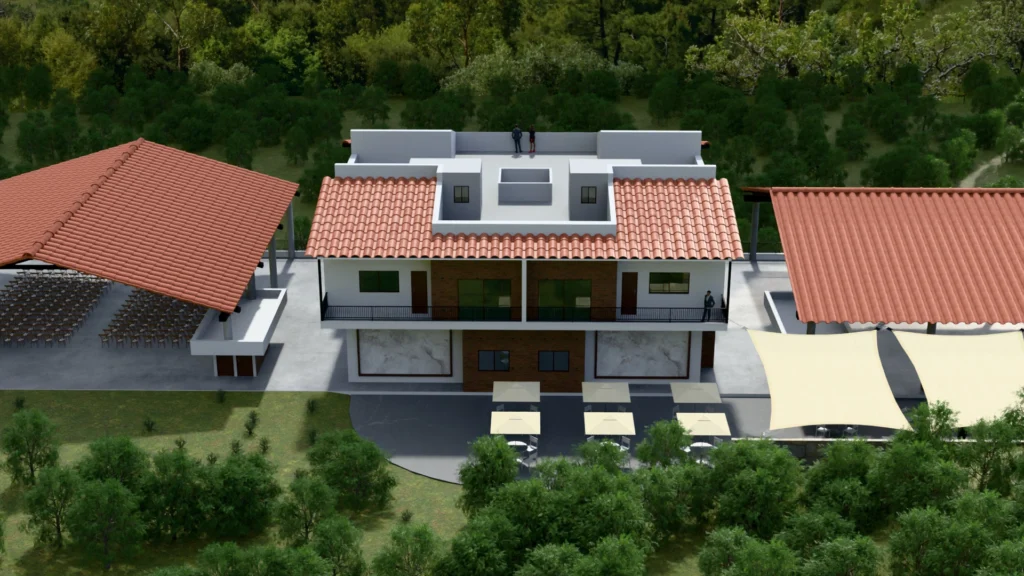
Gran Malinalco checks every one of those boxes. The venue spans 9 hectares of natural land in Malinalco, Estado de México, with a private chapel, open-air ceremony gardens, an event hall, and lodging for more than 200 guests, all under exclusive rental terms. It's 90 minutes from CDMX, making it a genuinely practical option for couples who want a setting with a different kind of energy without giving up logistical convenience. You can find more information at Gran Malinalco-Chapel and Gran Malinalco-Event Hall.
The shift toward holistic weddings didn't come out of nowhere. It reflects a generational change in how people understand rituals and celebrations. Couples between 28 and 40 who are planning their weddings today have spent years questioning what it really means to celebrate something important, and how they want their story to begin.
There are three main drivers behind this growth:
The generation getting married today grew up surrounded by images of weddings that all looked the same. Many couples feel that conventional weddings are more of a social performance than a genuine celebration. Holistic weddings offer a real chance to break from that pattern and create something that actually represents who they are.
The rise of practices like yoga, meditation, mindful eating, and mindfulness has led many people to want those values woven into every part of their lives, including the big moments. For people who live by those values, having a wedding that doesn't reflect them would feel like a contradiction.
A holistic wedding isn't only meaningful for the couple; it also transforms the experience for everyone who attends. Ceremonies with shared rituals, natural settings, and wellness activities create far stronger memories than a standard reception ever could.
Like any wedding style, there are easy traps to fall into if you don't plan carefully:
Holistic weddings aren't a specific legal category of marriage. They're a ceremonial and celebratory approach, not a legal classification. The most common arrangement is to handle the civil registry on a separate date and reserve the main celebration, with all the holistic rituals, for a symbolic ceremony. Some couples also blend holistic elements into a religious ceremony, as long as the officiant is open to that kind of integration.
The cost of a holistic wedding varies widely depending on the elements you choose. Generally speaking, it's not necessarily more expensive than a conventional wedding of a similar size, but it does require a different kind of investment. Specialized officiants and facilitators, organic menu ingredients, and sound healing instruments all come with a price tag, but those costs can be offset by simplifying other areas like floral décor or audiovisual production. The biggest savings often come from choosing a venue that already has the natural environment as its main feature, so you don't have to artificially create an atmosphere the space already provides.
Absolutely, and it's one of the most popular options among CDMX couples who want to escape the urban environment without dealing with complicated logistics. Estado de México and Morelos are home to some of the most sought-after destinations for this type of event, with mountain landscapes, forests, and mild climates that are perfect for outdoor celebrations. Malinalco, for example, is only 90 minutes from Mexico City and has a natural energy that many couples describe as exactly right for a conscious ceremony.
The ideal officiant for a holistic wedding isn't just someone who reads from a script. You're looking for a celebrant, spiritual guide, or ritual facilitator with real experience designing personalized ceremonies. They may have training in various traditions, shamanic, yogic, Buddhist, inter-spiritual, but what matters most is that they understand the couple's story and values and weave them into every part of the ceremony. Many venues that specialize in this type of wedding maintain a trusted network of celebrants they work with on a regular basis.
A holistic wedding isn't a décor style or a seasonal trend. It's a decision about how you want to live one of the most meaningful moments of your life, with full awareness of what that moment actually means. The key is choosing each element with intention: the space, the rituals, the scents, the flavors, and the people who will be there that day.
The setting plays a central role in this kind of celebration, and few places in Mexico offer the combination of nature, infrastructure, and exclusivity that a wedding like this genuinely requires. Gran Malinalco, with its 9 hectares in Malinalco, Estado de México, its private chapel, ceremony gardens, and included lodging, is a natural starting point for couples who want to build that experience from the ground up. The first step is seeing the space for yourself: "Contact Us Now"".
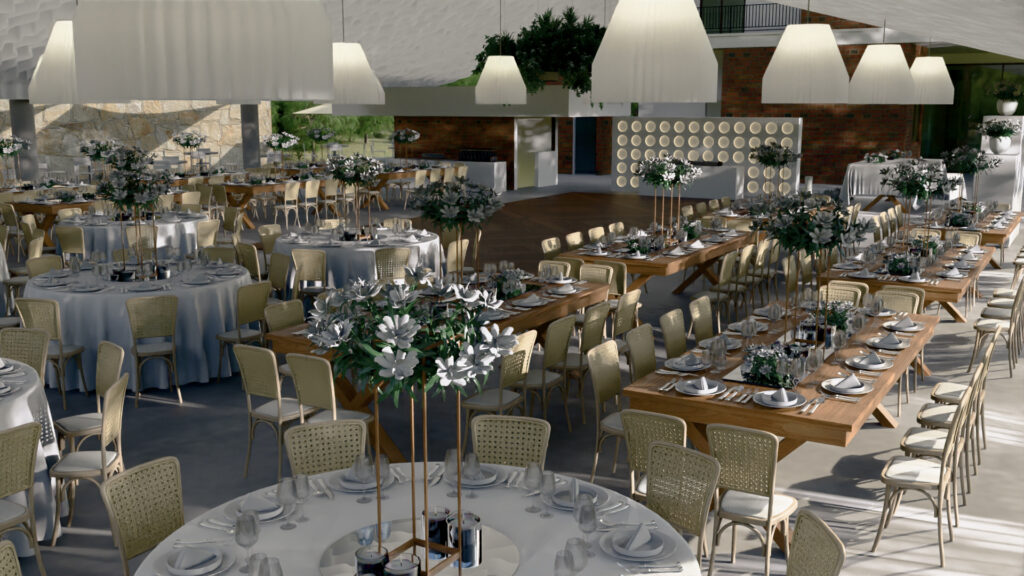
With accommodations for over 200 guests, a chapel, an event hall, and a private estate nestled in the natural surroundings of Malinalco.