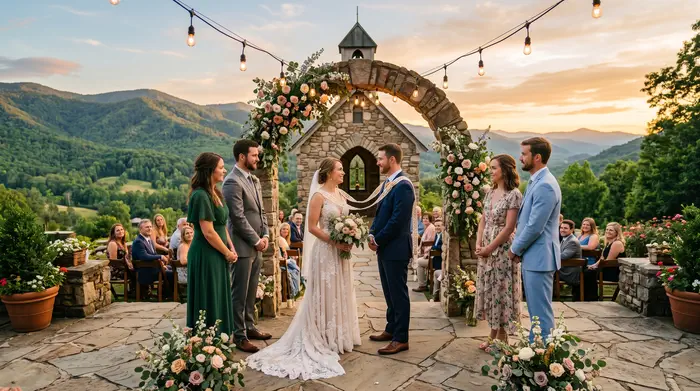
Choosing wedding sponsors, known in Mexico as padrinos, comes down to one question: does this person share a real bond with the couple, or is their name on the list simply because it feels expected? That distinction avoids most of the family friction that tends to surface at this stage of planning. Mexican tradition recognizes up to eight types of padrinos, for the veil, the rings, the coins, the lasso, and more, but no wedding needs all of them to feel complete. Here is a practical guide to deciding how many padrinos to have, which role fits each person, and how to formally ask them to be part of that moment, without turning the decision into a source of tension.
Wedding sponsors, or padrinos, are close friends or family members who each sponsor a specific element of the Catholic ceremony: the rings, the unity coins, the lasso, or the veil, among others. Unlike civil witnesses, their role is symbolic and, in many cases, financial too, since padrinos traditionally cover the cost of the element they represent. Canon law only requires two witnesses for a Catholic marriage to be valid, but Mexican custom expanded that figure into a community system where the couple's inner circle literally and symbolically supports different parts of the wedding.
This tradition is practically one of a kind, it spreads emotional and financial responsibility among the people the couple loves most, and turns the ceremony into a collective act. That is why, before choosing names, it helps to know what kind of ceremony you are planning, since that determines how many padrinos actually apply to your format.
Not every couple needs all eight types of padrinos recognized by Mexican tradition. The table below summarizes the most common ones, their role during the ceremony, and the kind of person who typically fills that spot.
| Type of Sponsor | Role in the Ceremony | Who Usually Fills It |
|---|---|---|
| Sponsors of Honor (Veil) | Walk the couple to the altar and sign the marriage record as spiritual witnesses. | A married couple with years together, someone the pair admires and turns to for advice. |
| Ring Sponsors | Carry the rings to the altar and hand them to the officiant for the blessing. | Close family, siblings, or friends the couple trusts with everyday responsibilities. |
| Coin Sponsors | Carry the box with the thirteen unity coins, a symbol of shared prosperity. | Practical, organized people, often the godparents of one of the spouses. |
| Lasso Sponsors | Place the figure-eight lasso around the couple during the union. | Two people, siblings or best friends work well, who know the relationship well. |
| Bouquet or Pillow Sponsors | Hand the bouquet to the bride or carry the ring and coin pillows, sometimes children. | Nieces, nephews, godchildren, or friends' kids; usually an optional role. |
Before assigning roles, it helps to set objective criteria so the decision does not rest solely on family pressure. These are the points the couple should review together before finalizing the list.
The most frequent mistake is feeling obligated to fill all eight types of padrinos out of tradition, even when the couple does not have eight equally meaningful relationships to draw from. That usually leads to names chosen out of obligation, which strips the moment of symbolic value and creates unnecessary financial commitments.
Another common mistake is announcing the full list on social media before confirming with each person privately. Couples also sometimes plan the whole thing without considering the venue's layout: in open gardens or very large halls, a large group of sponsors can visually dilute the ceremony's central moment, while in more intimate spaces, like a private chapel, each sponsor naturally stands out within the ritual.
Couples still deciding on their ceremony format can review this comparison of symbolic weddings versus civil weddings, useful for settling the type of ceremony first and, from there, how many sponsors make sense to include.
A phone call, a meal together, or a handwritten letter tend to work better than a text message for this kind of request, since the role carries an emotional commitment and, in some cases, a financial one. Explaining clearly what is expected of each sponsor, presence at the ceremony, a financial contribution if it applies, a possible rehearsal, prevents misunderstandings later and lets the person decide with full information.
It is common for an invited person to be unable to take on the role for financial, scheduling, or personal reasons. Leaving the door open for them to decline without pressure, and having a backup name in mind ahead of time, keeps the planning from stalling over this.
Beyond their symbolic role during the ceremony, many padrinos in Mexico contribute financially to the element they represent: the cost of the rings, the lasso, the coins, or in some cases part of the reception or the music. That contribution should never feel like a demand, the usual approach is for the couple to propose the role and let the person freely decide how involved they can be.
For celebrations held outside the city, such as a destination wedding within reach of the capital, it also helps to give sponsors more notice than usual about travel and lodging, especially when the venue includes accommodations for guests, as happens at properties with cabins or rooms on the same grounds.
At Gran Malinalco, for example, the private chapel and on-site lodging for more than 200 guests across the same nine hectares make it easy for sponsors, often traveling from Mexico City, to arrive unhurried the night before and take part in the rehearsal at ease, something that rarely happens when the ceremony and reception sit at separate venues.
If the couple is still deciding where to hold the ceremony and wants their sponsors to experience it without complicated logistics, it is worth exploring this wedding venue in Mexico before locking in a date.
There is no required minimum beyond the two witnesses the Catholic Church requires for the sponsors of honor. The other types, rings, coins, lasso, are cultural tradition, not a religious requirement, so a couple can have just one pair of sponsors and still fulfill the ceremony completely.
It is not mandatory, though it is a widespread custom in Mexico for each sponsor to contribute the element they represent. The couple can propose the role while making clear that being present at the ceremony matters more than the financial contribution, especially if the chosen sponsor is not in a position to cover that cost.
Yes. Although the traditional eight sponsors come from the Catholic wedding, many couples adapt the concept to symbolic or civil ceremonies, assigning equivalent roles such as honor witnesses, ring bearers, or companions in a symbolic ritual unique to the celebration.
When the wedding takes place a short distance from Mexico City, like in Malinalco, it helps to choose sponsors who can confirm their attendance with enough lead time to arrange travel and lodging. Giving several months' notice and, if the venue allows it, offering accommodations on-site significantly simplifies their participation.
Choosing wedding sponsors stops being a headache the moment the couple prioritizes real bonds over family expectations, and decides ahead of time how many roles make sense for the type of ceremony. Settling the wedding format first, speaking privately with each candidate, and considering the venue's logistics, especially when guests are traveling from Mexico City, prevents nearly every common stumbling block at this stage of planning.
If the couple is looking for a place where the ceremony and lodging for sponsors and guests happen within the same mountain setting, the Gran Malinalco team can handle the entire experience, from the chapel to the last toast.
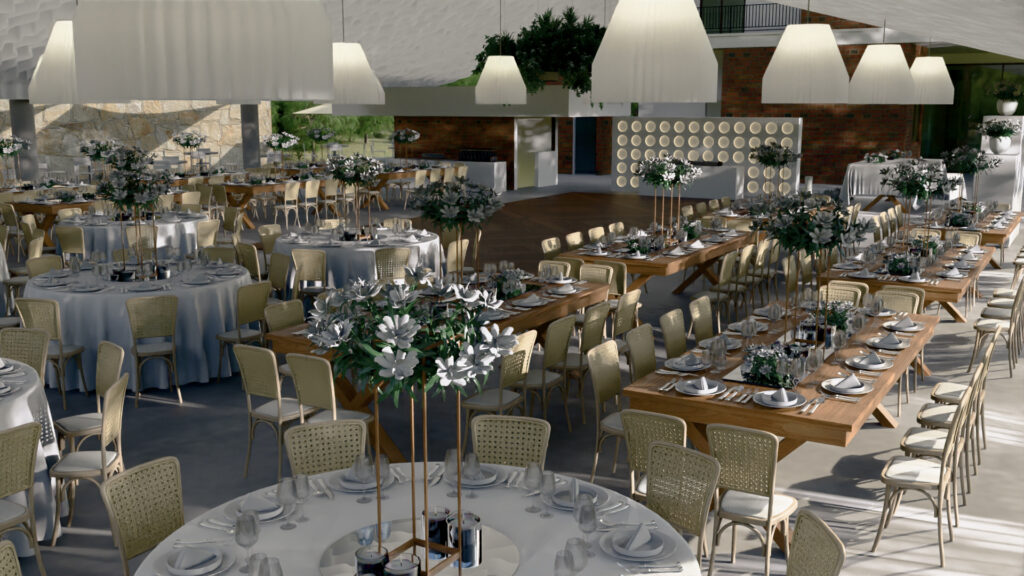
With accommodations for over 200 guests, a chapel, an event hall, and a private estate nestled in the natural surroundings of Malinalco.