Deciding between a symbolic wedding and a civil wedding is one of the first crossroads every couple faces when planning their big day, and there is no single right answer for everyone. One option grants legal validity before the Mexican government, the other offers total freedom to design a ceremony with no paperwork or protocol restrictions. Some couples choose just one, but many others find that combining both is exactly what they need for the day to feel complete, legally and emotionally.
Before locking in a date, it helps to understand what each path involves: what documents are required, how flexible the format is, and how well it can adapt to the place where you picture saying "I do." This article breaks down those differences and helps couples make the decision with full information, no pressure and no generic answers.
Both ceremonies celebrate the same thing: the commitment between two people. The difference lies in their legal nature and in how much freedom each one offers to personalize every part of the rite.
A civil wedding is the only ceremony with official recognition in Mexico. It is officiated by a Civil Registry judge or an authorized official, and it concludes with the signing of the marriage certificate, a document that grants the couple legal rights and obligations, such as marital property arrangements, inheritance, social security and tax benefits, among others. It requires updated birth certificates, official identification, witnesses and, in some states, a premarital medical certificate.
A symbolic wedding has no legal validity and requires no official documentation. It is designed entirely around the couple: it can include rituals such as the lasso, the unity coins, a rose exchange or ceremonies inspired by personal traditions, and it can be officiated by a relative, a close friend or a professional celebrant. That is why it is so popular among couples who already had a private civil ceremony and want the celebration in front of their guests to feel intimate and free of rigid protocol.
The table below summarizes the points that matter most when deciding, from legal validity to how much personalization each format allows.
| Aspect | Civil Wedding | Symbolic Wedding |
|---|---|---|
| Legal validity | Yes, recognized by the Mexican government | No, it is a celebration only |
| Documentation | Certificates, IDs, witnesses | None required |
| Who officiates | Civil Registry judge | Celebrant, relative or friend |
| Personalization | Limited by legal protocol | Total creative freedom |
| Ceremony location | Courthouse or authorized address | Any chosen venue or garden |
| Processing time | Weeks, depending on the municipality | Not applicable |
For couples who prioritize legal security, marrying by civil law immediately resolves matters like property arrangements, inheritance and social security benefits. It is also the required foundation if a religious wedding is planned afterward, since most parishes in Mexico require the civil certificate before performing the sacrament. The civil ceremony can be held privately and intimately, weeks before the big celebration, which reduces logistical stress on the main day.
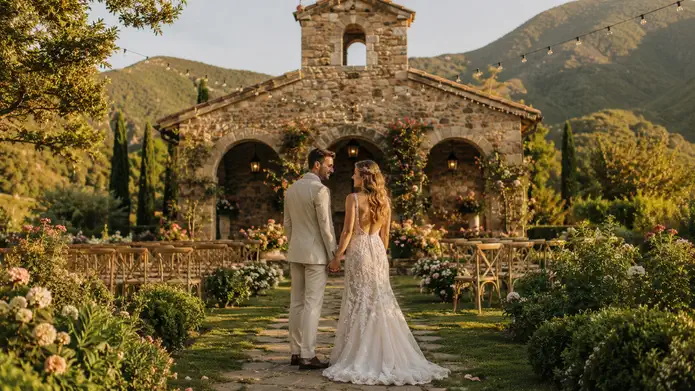
A symbolic wedding is ideal for couples looking for a ceremony with its own meaning, free of the limitations of legal protocol. It allows the couple to choose the exact place where they want to say their vows, whether that is a garden, a chapel with its own architecture or any corner that holds meaning for their story. At Gran Malinalco, for example, several couples choose to hold their symbolic ceremony in the venue's private chapel, surrounded by the nine hectares of gardens and mountains that frame the property, while the civil ceremony is handled separately in a brief procedure.
Couples who already know they want a memorable symbolic ceremony can see what that moment looks like at the private chapel at Gran Malinalco, designed for intimate weddings as well as celebrations with hundreds of guests.
Yes, and it is the option most couples in the Mexico City metropolitan area choose. The most common approach is to handle the civil ceremony privately, weeks in advance, and reserve the symbolic ceremony as the central moment in front of family and friends. These are the steps couples typically follow when they choose this path:
An exclusive-use venue makes this kind of coordination much easier: when the property is reserved solely for the couple, as is the case at Gran Malinalco, there is no need to adjust schedules around other events or share spaces with another celebration, which simplifies the day's timeline and allows the symbolic ceremony and reception to flow without interruptions.
There is no single right answer, the decision depends on the couple's priorities, family and the type of celebration they picture. This checklist helps clarify the decision before making a final call:
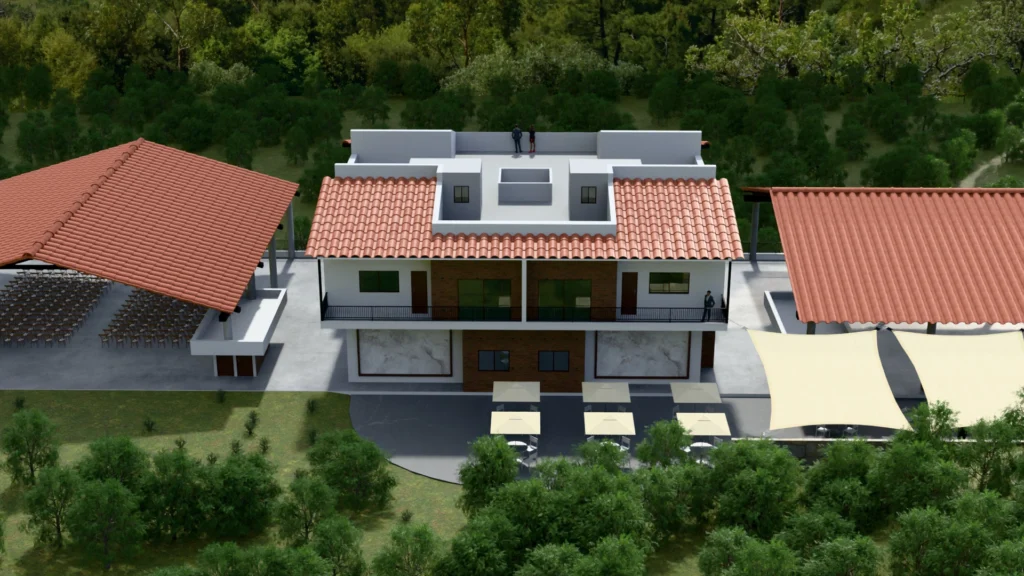
The chosen location directly shapes which type of ceremony makes sense. A sprawling garden, a chapel with its own character or a hall with mountain views completely change the experience, both for the couple and their guests. Gran Malinalco, 90 minutes from Mexico City, brings several of these features together on one property: nine hectares of gardens, a private chapel for symbolic or religious ceremonies, and on-site lodging for more than 200 guests, allowing the celebration to extend beyond a single day without anyone needing to travel elsewhere.
For couples comparing venue options near the capital, this guide to wedding venues near Mexico City covers distances, travel times and what to ask before booking a date.
Only a civil wedding has legal validity in Mexico. A symbolic ceremony, no matter how elaborate, does not replace the marriage certificate or grant legal rights to the couple. That is why many couples handle the civil ceremony separately, either before or after the symbolic celebration.
It is not mandatory, but it is the most common practice. Handling the civil ceremony first, privately, lets the couple arrive at the symbolic ceremony with no legal matters pending, so that moment can be dedicated entirely to the emotional side and to their guests.
A civil wedding at a courthouse typically costs a modest fee, though the amount rises if the judge travels to the chosen venue. A symbolic wedding has no fixed cost, it depends on the celebrant, the decor and the rituals the couple decides to include, and it can be adjusted to very different budgets across the Mexico City metropolitan area.
Generally, couples need recent birth certificates, valid official identification, proof of address, two witnesses per spouse and, in some states, a premarital medical certificate. Exact requirements vary by municipality, so it is best to confirm them with the corresponding Civil Registry office several weeks in advance.
Choosing between a symbolic wedding and a civil wedding does not have to be final or mutually exclusive, what matters is that the couple understands what they need to resolve legally and what they want to experience emotionally. Many couples find that combining both gives them legal security without giving up a ceremony made entirely their own.
For couples who are already deciding where to hold that ceremony, the Gran Malinalco team can share date availability, along with details about the chapel, the gardens and lodging options for the wedding day.

With accommodations for over 200 guests, a chapel, an event hall, and a private estate nestled in the natural surroundings of Malinalco.