Choosing wedding rituals is one of the most meaningful decisions any couple will face. In Mexico, that choice goes far beyond aesthetics: every ritual carries roots that weave together pre-Hispanic heritage, Catholic tradition, and regional customs that have survived for centuries. When couples decide to include them in their ceremony, they're not just adding visual beauty to the moment, they're building a bridge between their family history and the future they're beginning together.
Yet many couples arrive at the planning process without knowing the real origin or meaning behind these traditions. Is the floral lasso just decorative? Do the arras carry an economic or spiritual meaning? Which ritual makes sense if the wedding is held at a venue with gardens and a private chapel? This article answers those questions in detail, so every decision is made with genuine knowledge and intention.
The arras are a set of thirteen coins that the groom presents to the bride as a symbol of sharing all his present and future assets with her. The number thirteen isn't random: in Catholic tradition it represents Jesus Christ and his twelve apostles, although in some Indigenous Mexican cultures the symbolism connects to corn cycles and the abundance of the earth.
The arras are typically exchanged during the mass or civil ceremony, in a specific moment led by the designated godfather or godmother. Beyond the symbolic gesture, the arras call the couple to manage their household resources together, with economic transparency and mutual trust. In contemporary weddings, many couples personalize the box or presentation with handcrafted materials from their home region.
The floral lasso, commonly made with white roses or ribbons, is placed over the couple's shoulders in a figure-eight shape, a symbol of infinity. This tradition has roots in colonial Spain, though it was adopted and reinterpreted by mestizo and Indigenous communities throughout Mexico until it became a near-universal element at Mexican weddings.
The lasso is placed by the wedding godparents during the ceremony and remains over both partners for a set time, symbolizing that the couple is bound together in will, purpose, and destiny. In some states like Oaxaca or Veracruz, the lasso is crafted with local natural elements, cempasúchil flowers, jacaranda branches, which give the ritual a unique regional dimension.
In many Mexican religious ceremonies, the candle godparents offer lit candles that the couple holds during the blessing. The flame represents the light of God that will accompany their new home, but at a more universal symbolic level it also speaks to clarity in communication, the warmth of the bond, and the responsibility of keeping the fire of love alive.
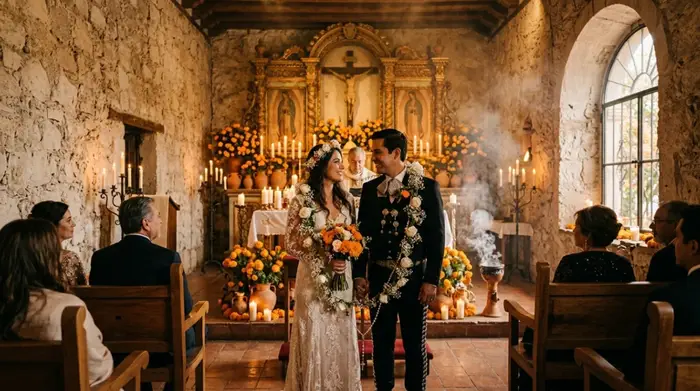
Some couples adapt this ritual in secular versions, incorporating handcrafted clay or beeswax candles as a tribute to Indigenous Mexican traditions. At venues with a private chapel, like Gran Malinalco, candlelight takes on a special dimension: the colonial architecture and mountain surroundings of the State of Mexico visually amplify every symbol of light.
Inherited from Nahuatl, Maya, and Otomí traditions, this ritual invokes the four cardinal directions at the start of the ceremony to ask for permission, protection, and blessing from the forces of nature. A spiritual guide, shaman, or Indigenous priest leads the ritual using copal, fire, water, and earth as purifying elements.
This type of ceremony has gained enormous popularity among couples looking to reconnect with Mexico's cultural heritage, especially when the wedding takes place in a natural setting. Gardens, forests, and mountains become central players in the ritual, not just a backdrop. For those looking for a venue that allows it, spaces with nine hectares of open nature like Gran Malinalco, just 90 minutes from Mexico City, offer the ideal setting for this kind of ceremony.
Rooted in Maya traditions, the cacao ceremony has found its place in contemporary weddings across Mexico. The couple and their guests drink pure, unsweetened cacao as a symbol of opening the heart, being fully present in the moment, and gratitude for the community gathered around them.
The guide walks everyone through each step: preparing the cacao as a meditative act, setting an intention before drinking, and sharing gratitude at the end. For couples seeking a non-religious ceremony that's still deeply spiritual, this ritual offers a contemporary, beautiful, and meaningful alternative.
The limpia is a purification ritual rooted in Mexico's curandera healing traditions. Using branches of basil, rosemary, or rue, and sometimes copal or sacred incense smoke, a healer performs an energetic sweep over the couple to release past burdens and prepare them to begin their marriage with lightness and clarity.
While it may sound unfamiliar to some couples, many who've experienced it describe the limpia as a moment of deep stillness and emotional recollection before the ceremony. Its emotional effect is powerful, especially when performed outdoors, surrounded by vegetation and natural sounds.
| Ritual | Origin | Symbolism | Ceremony type |
|---|---|---|---|
| Arras | Hispanic-Catholic tradition | Shared prosperity and assets | Religious, Civil |
| Wedding lasso | Colonial Spain, mestizo | Eternal and unbreakable union | Religious |
| Candles | Colonial Catholic | Light, warmth, and guidance in the home | Religious |
| Four winds | Nahuatl, Maya, Otomí | Harmony with nature | Spiritual, Secular |
| Cacao ceremony | Maya | Opening the heart and presence | Spiritual, Secular |
| Energy cleansing | Mexican curanderismo | Purification and new beginnings | Spiritual, Secular |
Including a ritual superficially can drain it of its power. Before choosing what to include, it helps for the couple to research the origin, share it with their families, and decide whether it genuinely aligns with their values and the story they want to tell on that day.
Here are the recommended steps for incorporating rituals authentically:
Mexican wedding rituals and holistic weddings share the same foundation: the intention to celebrate from the inside out. If the rituals you've discovered here resonate with you, there's a good chance the holistic approach completes that vision. Learn what holistic weddings are, the current trends, and how to plan one near Mexico City.
Holistic weddings: trends, meaning, and how to celebrate one →Mexican wedding rituals aren't ceremonial accessories. They're living fragments of a culture that has survived conquest, syncretism, and centuries of transformation. When a couple chooses to include them with knowledge and respect, the wedding stops being just an event and becomes an act of collective memory.
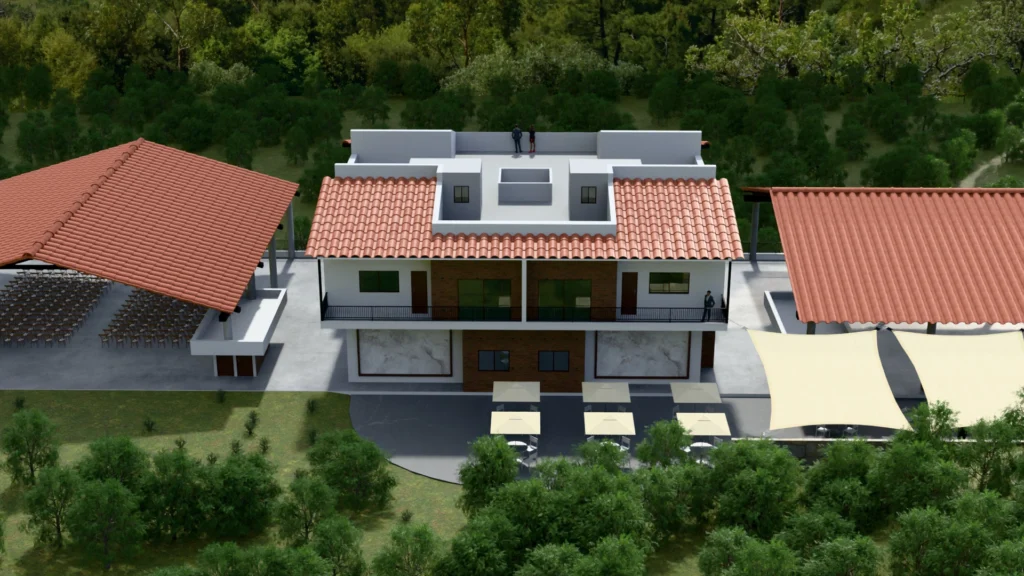
The choice of venue is also part of that intention. If the ceremony calls for a chapel, gardens for open-air rituals, and the ability to host guests in one place, Gran Malinalco brings all of those conditions together in a privileged setting in the State of Mexico. The team is available to support the planning from the very beginning.
Get in touch and start planning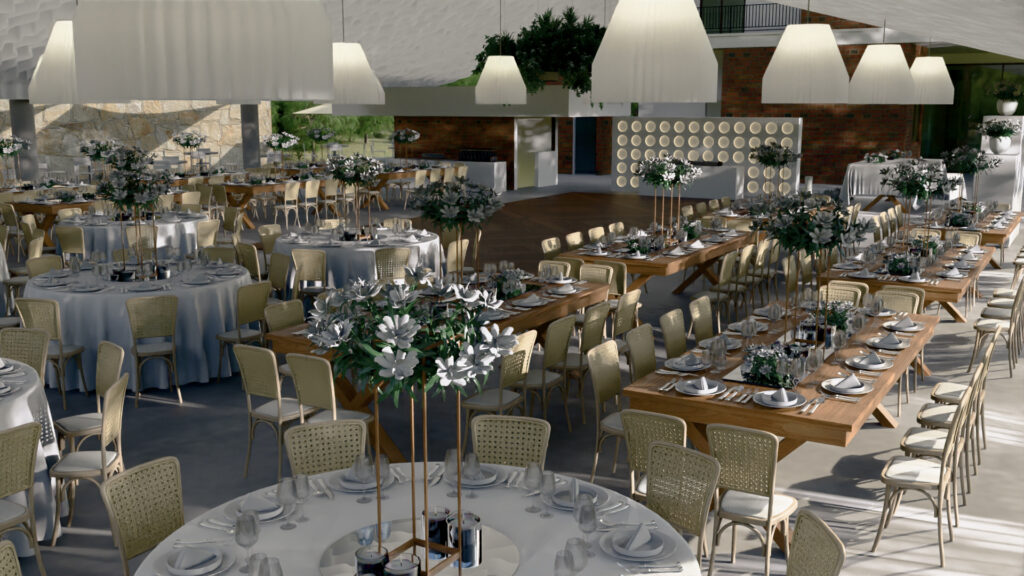
With accommodations for over 200 guests, a chapel, an event hall, and a private estate nestled in the natural surroundings of Malinalco.