Knowing where to spend more on a wedding in Mexico is the decision that shapes every other one. According to the Google and ESADE wedding white paper, cited by Principal México, the average wedding in the country costs around $180,000 pesos, with a cost per guest ranging from $742 to $1,089 depending on the region. With those numbers on the table, a couple who splits their money evenly across every category ends up with a celebration that is fine at everything and memorable at nothing.
The alternative is to pick two or three priorities and protect them with most of the budget, accepting that everything else can stay simple. That logic works the same for an intimate wedding of 40 people as it does for a celebration of 200 or more guests at a venue in the State of Mexico. This article separates what leaves a mark, like the venue, the food, the photography and the lighting, from what is forgotten within a week, and it includes a budget split table and a step by step guide to decide with a clear head.
Deciding where to spend more on a wedding starts with accepting that every peso should answer to a specific priority. Before asking for quotes, each partner should write down, separately, the three things they are unwilling to cut, and then compare both lists. What matches gets protected first, and what does not match gets negotiated calmly.
As a starting point, Lovely Planners suggests a baseline allocation of 25 to 35% of the budget for the venue, 30 to 40% for catering and 10 to 15% for decor. That split shows that the venue and the food take up more than half of the money, so a mistake in either one is the most expensive to fix. It is an initial reference that each couple adjusts to their own priorities, not a rigid rule.
A couple who loves great food and does not want endless photo sessions might decide that catering and music are non-negotiable, and that photography will be documentary style and brief. Another couple dreaming of an outdoor ceremony will put the venue and the lighting first. There is no single right combination, only one that is consistent with what the couple wants to remember ten years from now.
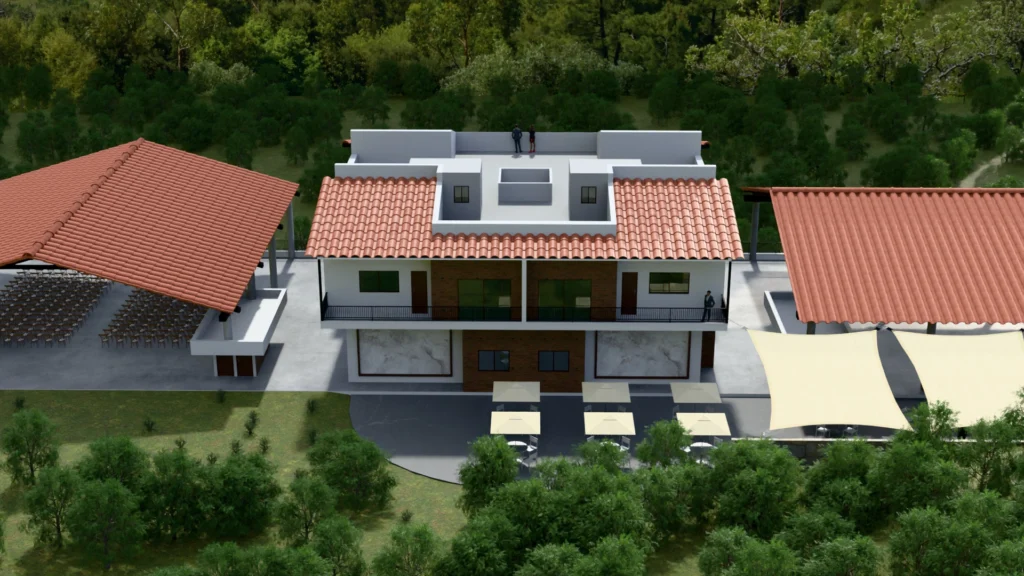
The venue sets the style, the logistics and a good share of the hidden costs. A place that only hands over the land forces you to rent furniture, a power generator, a tent and restrooms, and to coordinate transportation between the ceremony and the reception. One that combines ceremony, event hall, gardens and lodging avoids those layers of extra cost. One example is Gran Malinalco, 90 minutes from Mexico City, with 9 hectares of mountain and gardens, a private chapel and lodging for more than 200 guests under exclusive rental, so the ceremony, the party and the rest all happen in the same place without booking each piece separately.
When comparing venues, ask what the rental includes and what is charged separately: extra hours, furniture, lighting, corkage fees or a fee for outside catering. The real difference between two similar quotes is usually in that fine print.
Guests forget the color of the napkins, but they remember whether they ate well and whether the bar worked on time. In Mexico, where the banquet carries central weight for the extended family, a well served menu, with good timing and enough staff, is worth more than a sophisticated dish that arrives cold. It is better to pay for reliable service than for a complicated menu.
When the venue has its own hall, like the Gran Malinalco event hall, the couple avoids paying for a tent or a separate setup and can put that money toward the menu and the bar, which is where guests actually notice it.
Flowers wilt and the cake gets eaten, but the images remain. An experienced wedding photographer handles difficult light, tight timelines and large families without stopping the party. The most in-demand professionals are booked many months ahead, so it is best to hire them as soon as the venue and the date are locked in.
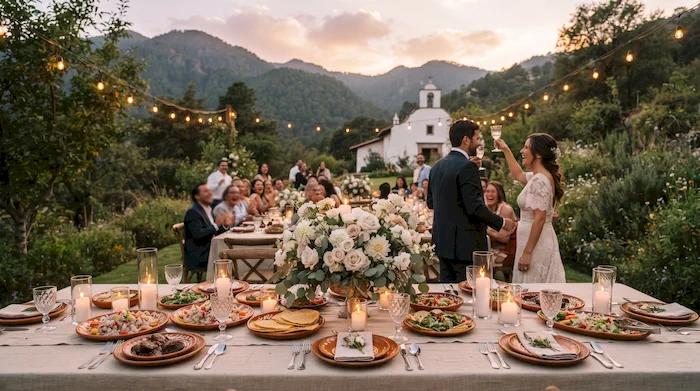
A hall or a garden changes completely once the sun goes down. Warm light, with string lights, indirect amber bulbs and candles, does more for the atmosphere and for the evening photos than an extra floral arrangement. Music follows the same logic: a DJ or a band that can read the crowd keeps the dance floor full, and a full dance floor is what most people remember about the party.
Someone who runs the schedule minute by minute, coordinates the vendors and solves surprises protects the investment made in everything else. Without that person, the couple ends up handling problems instead of enjoying their own celebration.
Anyone who wants to see how all of this plays out in a real place can tour the private chapel and gardens at Gran Malinalco before settling on the final budget split.
Themed corners, signs with quotes and photo booths with props take up budget and space, and they rarely show up in the memories. When the venue is already beautiful, as with the mountains and gardens of Malinalco, one bold floral arrangement at a single focal point looks better than ten small details scattered around.
Digital invitations with built-in RSVP save on printing, postage and follow-up time. If the couple wants something physical, they can limit it to close family and send everyone else a digital version.
Every additional guest multiplies the catering, the furniture, the arrangements and the lodging. According to Knoott, cutting 30 guests can easily save $50,000 pesos. Before cutting on quality, it is worth reviewing who is being invited only out of obligation.
Fans, keychains and cups with names and dates tend to be left on the table at the end of the night. That same money goes further if it is spent on a gourmet station at the cocktail hour, a better bar or a donation made in the guests' names.
A peak season Saturday costs more than a Friday or an off-season day. Knoott notes that weddings held from Tuesday to Thursday, or between January and March, can cost up to 30% less at venues and vendors. Being flexible on the date frees up money for your priorities without cutting anything your guests will see.
A couple from Mexico City is planning a wedding for 100 guests in Malinalco with $400,000 pesos and names the venue, the food and the photography as their non-negotiables. The table shows how that translates into where to spend more on a wedding of this size, with a 10% cushion for surprises, within the 10 to 15% range that Knoott recommends.
| Category | Share | Amount (MXN) | Decision criteria |
|---|---|---|---|
| Venue and lodging | 25% | $100,000 | High priority. Include whatever avoids extra rentals. |
| Catering and drinks | 30% | $120,000 | High priority. Service, timing and enough staff. |
| Photography and video | 10% | $40,000 | High priority. Book as soon as the date is set. |
| Music and lighting | 8% | $32,000 | Medium priority. Warm light for the evening. |
| Decor and flowers | 7% | $28,000 | One focal point instead of many details. |
| Attire, beauty and stationery | 10% | $40,000 | Flexible priority. Digital invitations. |
| Cushion for surprises | 10% | $40,000 | Not touched unless there is a real emergency. |
| Total | 100% | $400,000 | Three categories hold 65% of the money. |
With this split, the venue, the food and the photography hold 65% of the budget, and decor stops competing with what people actually remember. If the guest list changes, the percentages stay the same and only the amounts get recalculated.
The venue, the food and the photography hold the most value because they define the guest experience and what remains after the party. As a reference, Lovely Planners suggests that venue and catering add up to 55 to 75% of the budget. If you have to pick just three priorities, those are the safest foundation.
It depends on the size, the city and the style. According to Knoott, an intimate wedding can start at $50,000 pesos, while a premium celebration in Mexico City, Guadalajara or Los Cabos can exceed a million. The reference average from the Google and ESADE white paper is $180,000 pesos, so it is better to start from your guest list than from an average.
On printed stationery, personalized favors, scattered decor and the date. Switching to digital invitations, choosing a weekday or off-season date and concentrating the flowers at a single focal point cuts costs without affecting the food, the lighting or the photography, which are what guests notice.
When the venue combines ceremony, event hall, gardens and lodging, the couple books fewer pieces and avoids hidden costs like transportation or separate setups. Gran Malinalco, 90 minutes from Mexico City, works this way, with a private chapel and exclusive rental of its 9 hectares. Still, it is worth comparing what each option includes before deciding.
A well budgeted wedding is not the cheapest or the most expensive, but the one that puts the money where guests and the couple will feel it: a venue that solves the logistics, a well served table, warm light and photographs that hold up over the years. Everything else allows simple versions that nobody will miss, and that freedom is what lets you decide with peace of mind where to spend more on a wedding.
For those planning their celebration in the State of Mexico, choosing a venue that brings together a chapel, gardens, an event hall and lodging simplifies that split from day one. Couples who want to see the place can tour it before finalizing their budget.
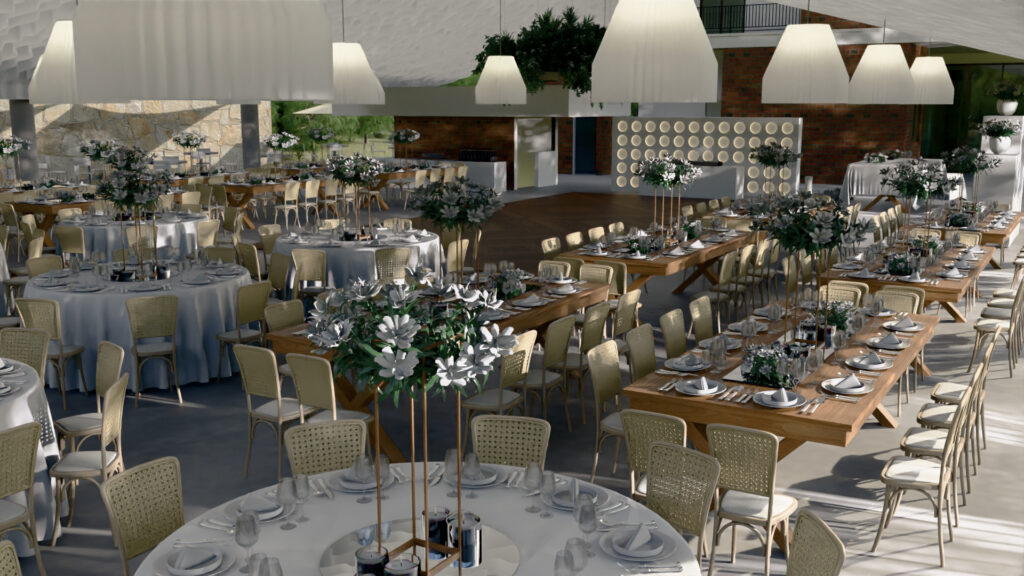
With accommodations for over 200 guests, a chapel, an event hall, and a private estate nestled in the natural surroundings of Malinalco.