Choosing your wedding style comes down to three things at once: the couple’s personality, the type of venue available, and the feeling you want your guests to take away on the day of the ceremony. There is no single formula, but there is a clear method for moving from the dilemma of boho, minimalist, or elegant to a decision that feels authentic in every detail. Before you pick flowers, a dress, or a menu, it pays to settle this question, because almost every other decision for the celebration flows from it.
Couples planning a wedding in Mexico often face an endless catalog of social media inspiration, which makes choosing harder, not easier. This guide breaks down the most popular wedding styles, explains how to combine them with a clear sense of direction, and offers real examples so you arrive at your celebration with a defined visual identity, without getting lost in passing trends.
A wedding style is the common thread that ties together the decor, attire, music, menu, and even the stationery into one cohesive story. When a couple defines their wedding style before hiring vendors, every later decision becomes faster and less expensive, because there is already a standard for accepting or turning down proposals. Without that filter, couples often end up with a mix of ideas that look great on their own but do not work together on the day of the event.
Defining your wedding style does not mean boxing yourself into a single label. Most weddings today blend elements from two or three trends, but always around one dominant concept that gives the celebration its visual order. That dominant concept is exactly what this guide helps you identify.
The elegant style relies on clean lines, neutral palettes with metallic accents, and a setup that favors symmetry. Porcelain dinnerware, floor-length tablecloths, tall candles, and floral arrangements of seasonal blooms in white or pastel tones are hallmarks of this style. It is the most common choice among couples who want a timeless wedding, one that looks just as good in photos ten years from now as it did on the day of the ceremony.
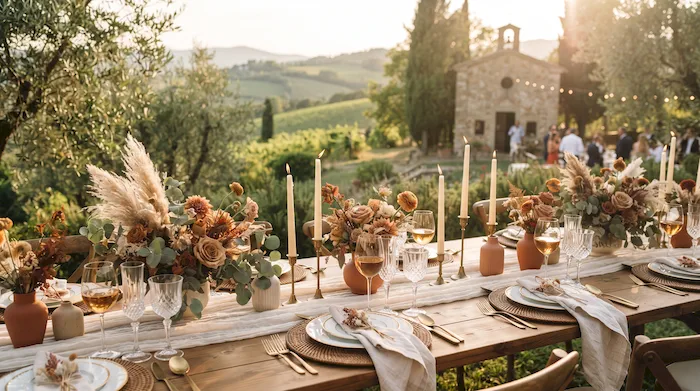
The boho style borrows from 1970s hippie fashion and blends it with natural textures like macramé, raw wood, and flowing fabrics. It works especially well in outdoor spaces with plenty of natural light, sprawling gardens, and greenery that needs no extra help to look spectacular. Couples who choose this wedding style tend to put guest comfort and a relaxed atmosphere ahead of formality.
The minimalist style rests on the idea that fewer, well-chosen elements say more than a crowded decor scheme. Monochromatic palettes, floral arrangements with just a few varieties, and furniture with straight lines are the norm. This wedding style demands more precision in every detail, because with fewer elements, any imperfection stands out more easily.
Inspired by life in the countryside, this style uses wood, linen, handcrafted ceramics, and an earth-tone color palette. It suits haciendas, gardens with mature trees, and spaces with views of mountains or farmland, where the natural setting does most of the decorating.
Typical of warm-weather destinations with lush vegetation, this style brings in boldly colored flowers, leafy foliage, and a vibrant palette that contrasts with the green of the surroundings. Malinalco, in the State of Mexico, with its mild climate and mountain greenery, offers a natural foundation that favors this style as well as boho and rustic, with no need for extra decor.
Wedding style comparison chart
| Style | Color palette | Signature elements | Ideal venue |
|---|---|---|---|
| Elegant | White, ivory, gold | Fine dinnerware, candles, symmetry | Formal hall or chapel |
| Boho | Terracotta, mustard, off-white | Macramé, dried flowers, textiles | Outdoor garden |
| Minimalist | White, gray, black | Straight lines, few elements | Architectural spaces |
| Rustic | Earth tones, olive green | Wood, ceramics, linen | Haciendas and gardens |
| Tropical | Vibrant colors | Abundant foliage, colorful flowers | Warm-weather destinations |
Make a list of visual references. Gather photos, movies, or even restaurants you love and note which elements keep showing up. That list often reveals a style pattern before the couple notices it consciously.
Consider the season and the weather on your wedding day. An indoor minimalist style works differently in winter than in spring, and a tropical style depends directly on the weather cooperating with outdoor decor.
Evaluate the venue before committing to a style. A space with mature gardens and mountains in the background already suggests certain wedding styles and rules out others, and forcing an urban minimalist concept into a natural setting rarely looks good in photos.
Set a budget for each style category. Some styles, like classic elegant, require more investment in flowers and rented furniture, while boho or rustic can lean more on natural elements from the setting.
Test the concept with a three-color palette. Before applying the style to the entire wedding, the couple can see how it holds up with just three base colors, which makes it easier to decide whether it truly represents what they are after.
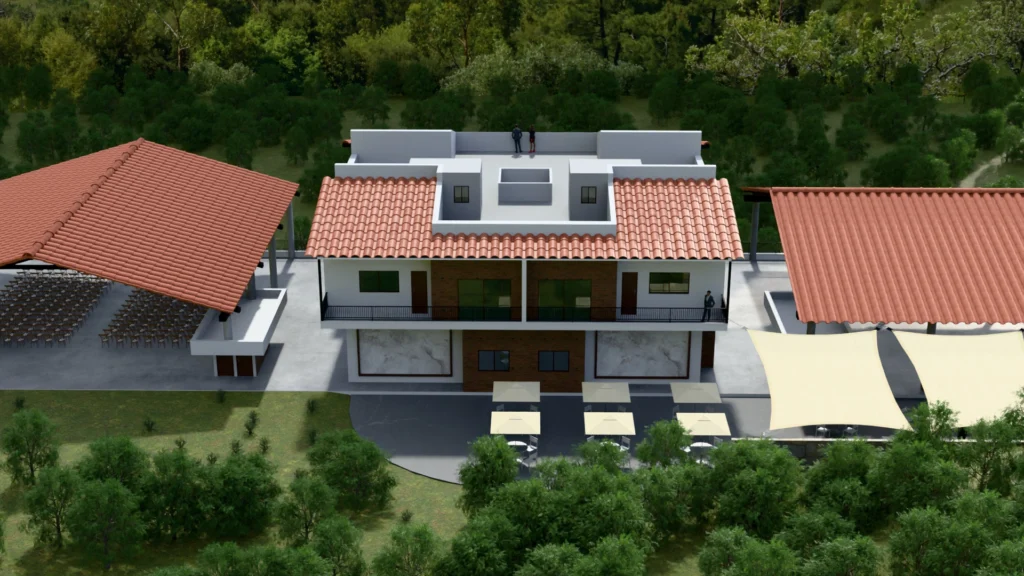
Deciding on a wedding style often gets simpler when the couple chooses the venue first and then adapts the concept to that setting, rather than searching for a space that fits a preconceived idea. At Gran Malinalco, for example, the combination of sprawling gardens, surrounding mountains, and a private stone chapel lets styles as different as classic elegant, boho, and rustic coexist without conflict, because the natural setting acts as a neutral base for any of them. Couples looking for an intimate ceremony with a boho feel can make the most of the greenery in the garden for the reception, while couples who prefer an elegant style will find in the private chapel the architectural strength that style needs.
It is worth taking the time to review your venue options before locking in the concept for your wedding, because a good space saves you from spending extra on decor meant to disguise a setting that does not support the style you chose.
Blending wedding styles is an established trend, but it requires a clear hierarchy between the dominant style and the secondary one. An elegant wedding with boho accents, for example, keeps the fine dinnerware and the symmetry of the layout, but brings in natural textiles alongside the glassware or floral arrangements that are less structured. The key is that most of the elements follow a single style, while a smaller share adds a touch of the second.
This kind of blend works especially well at venues with exclusive rental for a single event, as is the case at Gran Malinalco, located 90 minutes from Mexico City, where the couple has full control over every corner of the space across nine hectares of gardens, without sharing the grounds with another celebration on the same day. That exclusivity lets you experiment with mixing styles without the time or space limits that shared venues impose.
Before you decide how to combine two styles, it helps to explore the wedding venue options near Mexico City that already offer the versatility to adapt to different concepts without losing their identity.
One of the most frequent mistakes is choosing a wedding style based only on social media trends, without considering whether that concept truly reflects the couple's personality or whether it fits the available venue. Another common mistake is changing styles midway through the planning process, which forces you to renegotiate with vendors who already quoted under a different concept and often leads to avoidable extra costs.
It is also common to underestimate the role of lighting within the chosen style. A minimalist style loses its impact under warm, diffused light, while a boho style falls flat under harsh white light. Coordinating the lighting with your wedding style from the start avoids last-minute adjustments that rarely turn out well.
Rustic and boho are usually the most budget-friendly because they take advantage of natural elements in the setting, like existing greenery and wooden furniture with little elaborate work. Classic elegant, on the other hand, calls for more investment in imported flowers, special dinnerware, and rented furniture, which raises the overall wedding budget.
Yes, though it takes discipline in choosing your elements. The combination works when you keep the reduced color palette typical of minimalism but add natural textures like linen or macramé from boho. The result is often called boho minimalist, and it is gaining popularity among young couples in Mexico.
The best approach is to start with a shared list of visual references and look for where your tastes overlap, rather than having one partner give in completely. It also helps to decide together which elements are non-negotiable for each of you and build the style around those shared points.
Venues in the State of Mexico, especially those surrounded by mountains and greenery like the ones in Malinalco, favor boho, rustic, and natural elegant styles, because the setting reduces the need for extra decor and lets the landscape become part of the overall wedding design.
Choosing your wedding style is not an isolated aesthetic exercise, it is the decision that shapes the budget, the venue, the attire, and even the tone of the celebration. Couples who take the time to define their wedding style before moving ahead with vendors arrive at every planning meeting with clear criteria, which reduces the margin for error and unnecessary spending. Whether it is elegant, boho, minimalist, or a carefully curated mix, the style you choose should feel like yours before it feels like a trend.
To see up close a venue that can adapt to different wedding styles without losing its natural identity, schedule a visit and walk through its gardens, its private chapel, and its lodging spaces before making your final decision.
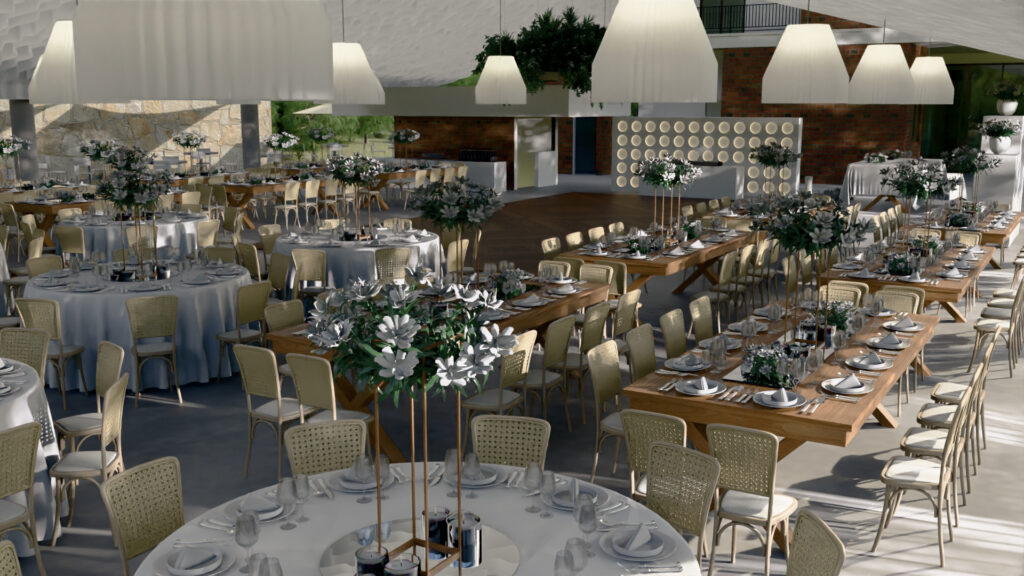
With accommodations for over 200 guests, a chapel, an event hall, and a private estate nestled in the natural surroundings of Malinalco.