Signing the first venue that wins your heart, without comparing anything else. Saying yes to a budget that looks fine on paper, but that does not account for the 20% that almost always disappears into extras. Putting off the date because the engagement was only just announced. Wedding planning mistakes rarely feel like mistakes in the moment, they look like logical decisions, until two or three months later they turn into stress, overspending, or tension between the couple and the family.
Couples planning a wedding for the first time tend to face the same pattern, initial excitement, rushed decisions, and afterward, the feeling of constantly correcting course. It is not a lack of organization, it is a lack of a clear map of where most couples go wrong. Knowing these stumbling blocks ahead of time, before signing a contract, before booking a date, makes it possible to move forward calmly and put the energy where it really belongs, the celebration itself.
Before comparing florists, photographers, or venues, most couples have already made important decisions without knowing what each one truly costs. It is common to fall in love with a venue, a dress, or a catering service before knowing its full price, which later causes frustration when the numbers simply do not add up. Social media does not help either, seeing magazine worthy weddings with no financial context pushes people to compare upward, instead of toward what actually fits their own budget.
The solution is not complicated, even though few couples apply it from the start, sit down together, before making any reservation, and set a real total amount, not an aspirational one. From there, divide that amount into categories based on the couple's actual priorities, not on what is supposedly spent in each category, and leave between 10% and 15% of the total as a cushion for the unexpected. Couples who start this way do not just spend better, they decide with more freedom, because they already know what they can ask for and what they cannot.
Thinking that six months is enough to organize a complete wedding is one of the most common wedding planning mistakes, especially if the couple is aiming for popular dates like spring or summer, or for highly requested vendors. The best venues and the most sought after teams, photography, catering, music, tend to get booked between 12 and 18 months before the date, so arriving late does not just limit the options, it also raises the price of whatever is still available.
The problem is not only leaving everything for the end. Some couples fall into the opposite extreme and want to lock in absolutely everything a year and a half in advance, which also creates anxiety when vendors still cannot confirm details that far out. Planning in phases, deciding what comes first, what can wait, and what has a real deadline, helps move forward without feeling rushed or feeling stuck without knowing what comes next.
The venue tends to be the first big decision of the wedding, and it is also where the most mistakes happen, deciding with the heart before asking the right questions. It happens often, the couple visits a place once, at a flattering time of day, and signs without asking about catering restrictions, closing times, a rain plan, or real parking capacity. The surprises show up later, when there is no longer room to change course.
Before committing, it is worth visiting the venue at different times of day and, if possible, under different weather conditions. It pays to ask for everything in writing, certified capacity, which services are included, any restrictions on decor or music, the list of approved vendors, the cancellation policy, backup spaces, and accessibility for guests with reduced mobility. A venue with exclusive rental, like Gran Malinalco, settles much of that list in one move, since the property is rented out completely for a single event, there is no other wedding sharing the schedule, vendors, or spaces that same day, and that simplifies everything from logistics to the overall mood of the guests.
Couples who want to dig deeper can review this professional guide on common wedding planning mistakes, which goes into more detail on every stage of the process.
Planning an outdoor ceremony or reception while trusting that the weather will cooperate means betting against something nobody can control. Rain, wind, or extreme heat can completely change the experience of an event designed only for the outdoors, and discovering that on the day itself, with no real alternative, is one of the most stressful moments a couple can go through.
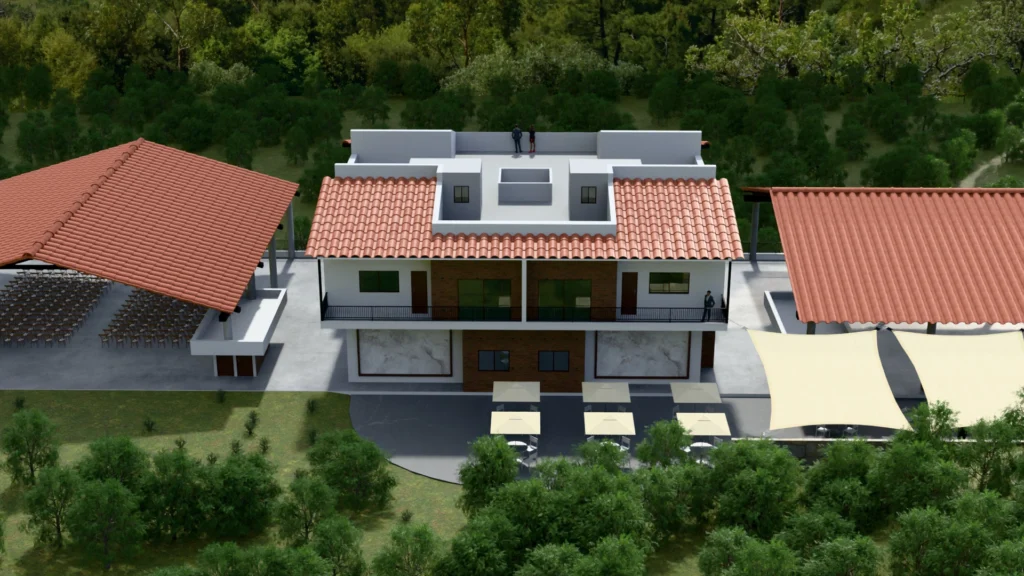
Having a plan B does not mean settling for an emergency fix that looks worse than the original plan. It means having, from the very start, a covered space that is just as appealing, a well thought out tent, an indoor hall with its own personality, or, in the best case, both options within the same property. In Malinalco, surrounded by mountains and greenery, that backup takes the shape of 9 hectares of gardens combined with a private chapel and a covered event hall, so the ceremony and the party both get a fitting setting no matter what the sky decides to do that afternoon.
If the ceremony and the reception happen at the same place, it is worth getting to know an event hall surrounded by gardens, designed so both moments flow smoothly without moving guests from one site to another.
It is easy to focus so much on the wedding's own details, flowers, menu, music, that couples forget to think about the experience from the perspective of someone who simply received an invitation. Transportation, lodging, and accessibility are topics that rarely excite the couple, but they determine whether guests enjoy the day or arrive exhausted and confused.
This becomes even more important when the wedding is not in the same city where most guests live. A wedding 90 minutes from Mexico City, for example, calls for clear information about how to get there, where to stay, and what transportation options exist for those who do not want to drive back late at night. Having lodging right at the celebration site, as happens at venues built for more than 200 guests, removes that question entirely, nobody has to look for a hotel, calculate travel times, or worry about getting home after the party.
If most of the guests are traveling from another city, it is also worth reviewing this guide on common destination wedding mistakes, which goes deeper into travel, documentation, and additional costs.
Trying to do absolutely everything without support, excessive hand made decor, coordinating vendors on the wedding day, setup, and solving problems in real time, comes from a common but mistaken idea, that delegating means overspending or that nobody will care for the details the way the couple does. The result is almost always the same, exhaustion before reaching the altar and divided attention during the celebration.
This is not about giving up control over the important decisions, but about not carrying the execution alone. Hiring a wedding planner, even just for the day of the event, or delegating specific tasks to trusted people, frees up time and energy for something that also deserves care, enjoying the process. When the chosen venue already simplifies part of that coordination because it does not share the date with another event and does not depend on multiple outside vendors to cover the ceremony, reception, and lodging, there is less to delegate and less room for error on the big day.
Different wedding planners point to this pattern as one of the most exhausting parts of planning, Elu Luceño Wedding Planner describes it with similar examples.
Makeup, hairstyling, the banquet menu, lighting, these are details that feel minor until they arrive without ever having been tested. Skipping trial runs with vendors is one of the wedding planning mistakes that causes the most disappointment, not because the final result is bad, but because it does not match what the couple had imagined.
Trial runs do more than avoid surprises, they also lower anxiety, because the couple knows exactly what to expect on the wedding day. It is worth scheduling them with plenty of notice, not in the final weeks, when there is no longer room to adjust anything, and bringing clear references for what is wanted, instead of trusting that the vendor will simply understand the idea without further context.
If the dress is still pending on the list, it is worth solving it early and without budget pressure. This guide on how to find a budget wedding dress with style gathers practical ideas for looking flawless without putting a disproportionate share of the total budget into a single category.
Before moving further into the planning process, this table sums up the most frequent stumbling blocks, why they tend to happen, and the most direct way to avoid them.
| Mistake | Why it happens | How to avoid it |
|---|---|---|
| Starting without a defined budget | Decisions made out of emotion or social pressure | Define the total amount and divide it by priorities before booking |
| Leaving everything for the final months | Assuming 6 months is enough | Book the venue and key vendors 12 to 18 months ahead |
| Choosing a venue without reviewing the full contract | Deciding after a single visit, without the right questions | Visit at different times and request everything in writing |
| Having no plan B for the weather | Trusting that the day will be perfect | Secure a covered space just as appealing as the original plan |
| Ignoring guest logistics | Focusing only on the wedding's own details | Share transportation, lodging, and schedules in advance |
| Wanting to do everything without help | Thinking delegating means overspending | Delegate specific tasks or hire day of coordination |
| Skipping trial runs with vendors | Trusting the result will simply be understood | Schedule makeup, menu, and setup trials with enough time |
Before signing any venue contract, it is worth reviewing the following list point by point.
Ideally, planning should start between 12 and 18 months before the date, especially when aiming for a high season like spring or summer. That window makes it possible to secure the venue, the most requested vendors, and negotiate better terms. Starting later does not make the wedding impossible, but it does reduce the options and can raise costs due to limited availability.
Not setting a real budget before making decisions. Most overspending and tension comes from booking services without knowing the total available amount, which later forces cuts in categories that actually mattered to the couple. Setting the amount and dividing it by priorities from the start avoids that domino effect.
It is not mandatory, but it does considerably reduce the margin for error, especially when it comes to coordinating the day of the event. Couples with less available time, or who are planning from a distance, tend to benefit the most from this support. When the budget does not allow for a full wedding planner, delegating specific tasks to a trusted person also helps.
It is worth confirming the actual capacity, the included services, any restrictions on decor and schedule, and whether there is a plan B for rain or extreme weather. It also pays to ask about on site lodging, especially if most of the guests are coming from Mexico City and prefer not to drive back the same night.
None of these mistakes ruins a wedding on its own, what really wears a couple down is letting several of them pile up without seeing them coming. A clear budget, realistic timing, a venue that solves more than one problem at once, and attention to the guest experience are where most of the calm is gained or lost during planning.
Knowing these stumbling blocks ahead of time is, in itself, half the work. The other half comes down to choosing the right support, a place, a team, and vendors who understand what the couple is looking for. Anyone exploring options near Mexico City can schedule a visit to Gran Malinalco and see firsthand how the chapel, the event hall, the gardens, and the lodging all come together in one single property.
Schedule a visit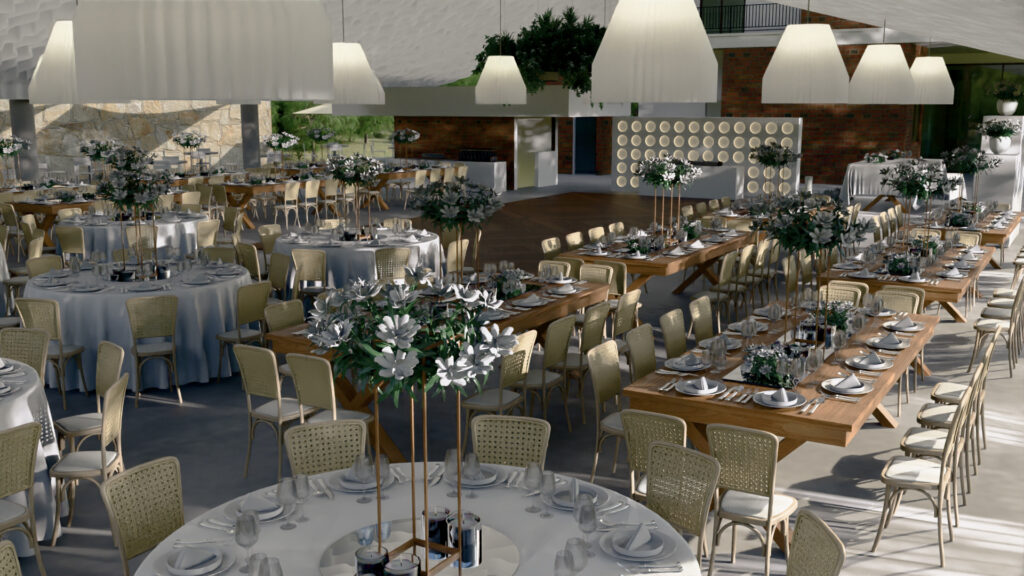
With accommodations for over 200 guests, a chapel, an event hall, and a private estate nestled in the natural surroundings of Malinalco.