Booking wedding music without a signed contract, without watching a full video of the provider's past work, and without pinning down exact timing is the combination that ruins a reception faster than any budget problem. Every year, hundreds of couples find out too late that the DJ or band they booked off an Instagram recommendation didn't have the equipment, experience, or repertoire the wedding actually needed. Music typically runs 8% to 12% of a total wedding budget, yet it shapes almost every emotional memory of the day, the entrance, the first dance, the toast, the dance floor packed until the early hours. Avoiding wedding music mistakes isn't about spending more, it's about knowing what to ask, when to book, and what needs to be in writing before any deposit changes hands.
Music carries the emotional rhythm of every moment in the celebration, from the ceremony entrance to the last song of the night. A well planned lineup supports quiet moments and gives structure to parts of the day that would otherwise feel empty, while a poor choice leaves guests checking the clock or waiting for something to happen on the dance floor. That's why wedding music mistakes aren't a minor detail in the planning process, they rank alongside the venue and the catering as one of the factors that most shapes how the day is remembered.
There's also a direct link between the quality of the music and how guests perceive the wedding overall. When the soundtrack works, nobody consciously notices it because everything flows naturally; when it fails, it's the first thing people mention the next day. That asymmetry is exactly why it pays to invest time, not just money, in choosing the right music provider.
Comparing quotes purely on the lowest number is one of the most common wedding music mistakes, and also one of the ones couples regret the most afterward. A low price can mean fewer hours of service, no backup equipment, or a generic repertoire that doesn't fit the crowd. Before deciding on cost, it's worth comparing what each package actually includes: hours of live music, DJ time between live sets, in house sound equipment, lighting, and whether the price covers travel when the venue is outside the provider's home city.
Fifteen second reels on social media show the best moment of a single night, not real performance over five hours of an event. Asking for long videos from previous weddings, checking whether the provider has worked the same type of venue (garden, indoor hall, terrace), and talking to couples who already booked them are steps that cut down the risk of surprises. Comparing five to eight options against the same list of questions, similar to what this guide to choosing a wedding DJ recommends, helps couples decide based on evidence rather than a single isolated recommendation.
Verbal agreements or text message deals don't hold up legally if a provider cancels, shows up late, or doesn't deliver what was promised. A wedding music contract should include the provider's full legal name and tax information, the list of musicians along with their possible substitutes, a technical rider covering power and space requirements, the exact arrival time for sound check, the cancellation policy, and the payment schedule, usually a 30% to 50% deposit with the balance due before the event. Paying the full amount upfront without this signed document is never a good idea.
Acoustics change dramatically between an indoor hall, an open garden, and a terrace with echo, and something that sounds perfect in a provider's studio can fall apart completely at the real venue. Asking whether the sound team already knows the space, or scheduling an on site sound check ahead of time for larger weddings, prevents last minute adjustments that guests can hear happening in real time.
Venues that combine indoor spaces with open air gardens make that kind of check easier, because the sound team can adapt to each setting before the big day. At the Gran Malinalco event hall, for example, music providers typically review the acoustics ahead of time, something that rarely happens at generic ballrooms.
The best rated bands and DJs fill their calendars many months in advance, especially during peak wedding season. As this complete Mexico wedding planning checklist recommends, destination weddings should book 12 to 18 months out, weekend weddings in major cities like Mexico City, Guadalajara, or Monterrey call for 6 to 8 months, and weekday or off season weddings usually only need 3 to 4 months of lead time. Booking late doesn't just shrink the available options, it also cuts into any room to negotiate price and terms.
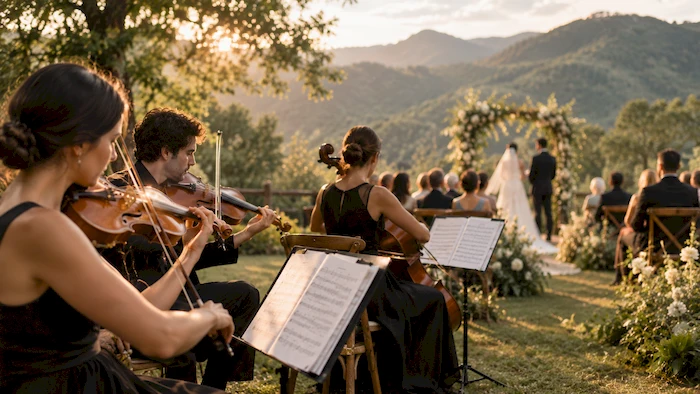
One of the wedding music mistakes that's easiest to miss, yet does the most damage, is treating music as a single booking instead of a sequence of moments that each call for a different emotional tone: the ceremony asks for something soft and restrained, the cocktail hour needs background energy without taking over, the entrance to the reception marks a shift in energy, and the end of the night is the highest point of intensity. Breaking the wedding into clear musical blocks and communicating that clearly to the provider prevents awkward silences and clumsy transitions between moments.
| Wedding Moment | Recommended Format | What It Conveys |
|---|---|---|
| Ceremony | String trio, solo violin or piano, choir | Solemnity and restrained emotion |
| Cocktail hour | Saxophone and violin, instrumental jazz, soft DJ set | Relaxed background atmosphere |
| Reception entrance | Live band or DJ with an energetic transition | Shift in energy, welcome to the party |
| First dance and toast | Soloist or live band playing the chosen piece | Intimate moment, couple takes center stage |
| Party and dance floor | DJ or versatile band with a broad repertoire | Sustained energy over several hours |
| End of the night | Mariachi as a "surprise moment" or the DJ's final set | Memorable close, a viral moment among guests |
The venue a couple chooses shapes a large part of the music decisions, from the type of equipment that can be set up to the distance between the ceremony and the reception. At the Gran Malinalco private chapel, for example, the natural acoustics favor intimate formats like a string trio, a soloist, or a choir, while the garden and the event hall allow for a smooth transition into higher energy formats as the night goes on. Planning the musical journey alongside the physical layout of the event avoids having to improvise on the spot.
Exclusive use of the venue also has a direct impact on sound quality, because it removes interference from other events happening at the same time and allows the sound check schedule to be negotiated without time pressure. This wedding venue near Mexico City, located 90 minutes from the capital across 9 hectares of gardens and mountains with lodging for more than 200 guests, is an example of how a natural setting combined with exclusive access lets the music provider work without restrictions and adjust the sound to every space on the property.
Cost varies by format and length of service, but as a general benchmark, music tends to run 8% to 12% of the total wedding budget. A professional DJ for several hours of dancing typically costs less than a live band with multiple members, and soloists or duos for the ceremony are the most affordable option. Price also depends on whether couples add extra formats, like a closing mariachi set or a trio for the cocktail hour.
There's no single right answer, it depends on the style of the celebration and the type of energy the couple wants to create. A DJ offers more control over transitions, continuous mixing, and a huge repertoire, while a live band brings a stage presence and warmth that's hard to match with recorded tracks. Many couples choose to combine both, using a band for key moments and a DJ to keep the dance floor going for hours.
For weekend weddings in Mexico City and other major metro areas, it's best to book 6 to 8 months ahead of the date, especially during peak season. If the wedding is taking place in a high demand destination, like Malinalco or San Miguel de Allende, it's worth stretching that window to 12 or 18 months. Booking late reduces both the available options and the room to negotiate price and terms.
A complete contract should spell out the provider's name and tax information, the list of assigned musicians along with any possible substitutes, a technical rider covering space and power requirements, the exact arrival time for sound check, and the cancellation policy. The payment terms should also be clear, usually a 30% to 50% deposit with the balance due before or on the day of the event, to avoid last minute conflicts.
Getting the wedding music right doesn't take an unlimited budget, it takes lead time, the right questions, and a contract that protects both sides. Avoiding wedding music mistakes is about more than dodging an awkward moment, it's about making sure the instants a couple most wants to remember (the entrance, the first dance, the close of the night) get the soundtrack they deserve. The venue a couple chooses is also part of that equation, especially when it brings sound design and immersive experience ideas into how it works with vendors. Couples finalizing their venue and wedding details can learn more about what Gran Malinalco offers and schedule a visit through the contact page.
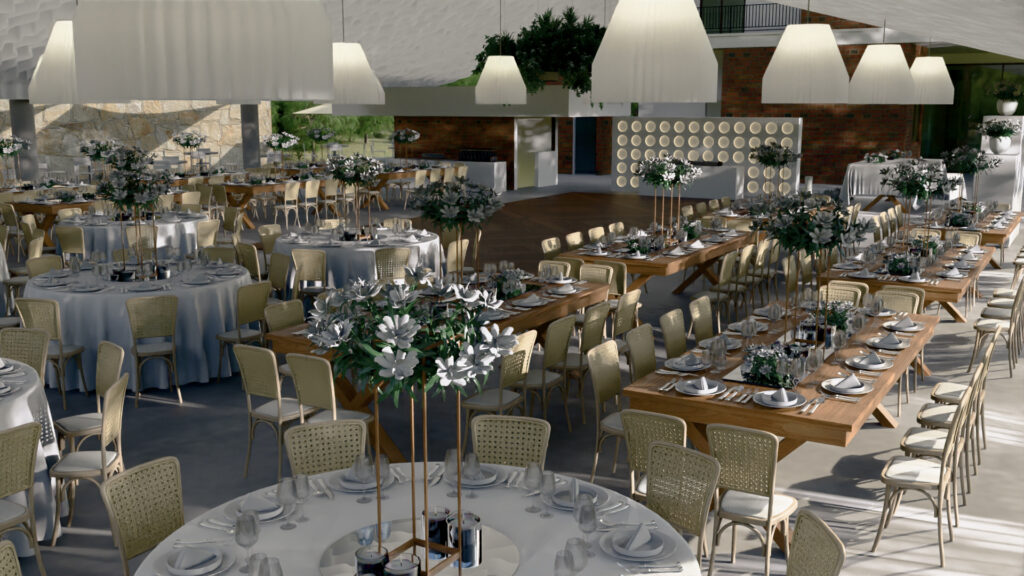
With accommodations for over 200 guests, a chapel, an event hall, and a private estate nestled in the natural surroundings of Malinalco.
Realistic and varied looks for a church wedding, for both women and men