
Negotiating with wedding vendors doesn't mean chasing discounts at all costs, it means walking into every conversation with clear information about budget, date, and the style of the event. Couples who plan ahead and prepare before requesting quotes tend to get better terms, more transparent contracts, and fewer surprises along the way. The difference between a smooth negotiation and a tense one is rarely about the size of the discount, it's about how ready the couple is when they sit down at the table.
In Mexico, where the pool of photographers, florists, caterers, and venues grows every season, knowing how to negotiate with wedding vendors has become as important as choosing the dress or the date. This article walks through, with concrete examples, how to prepare, what to ask, and what mistakes to avoid before signing any contract.
A wedding budget is rarely spent on a single line item. It's split across catering, decor, music, photography, attire, and the venue, and every vendor has their own margin for flexibility. Negotiating with wedding vendors in an organized way lets a couple reallocate resources toward what actually matters to them, without sacrificing the overall quality of the event.
A couple who already knows how many guests they're expecting and what style of celebration they want can ask for itemized quotes instead of flat prices. That makes it easier to compare like with like and spot right away when one vendor is charging more for the same service another offers at a lower cost, without any drop in quality.
No vendor can offer fair terms if a couple shows up with vague ideas. Before booking that first call, it's worth gathering the details that define the real scope of the service.
Deciding how much can go toward each category, with room for the unexpected, keeps negotiations from turning defensive. An itemized budget broken down by category, with rough figures for catering, decor, music, and venue, makes it possible to set clear spending limits from the very first contact and negotiate with wedding vendors without looking like you're improvising.
The event date and the guest count directly affect the price of nearly every service. Sharing this information from the start, along with the overall style of the celebration, helps a vendor put together a quote grounded in reality instead of a generic range that keeps shifting later on.
With the basic information ready, the next step is applying concrete tactics that work well within the Mexican wedding market.
Many vendors offer better terms when a couple books several services together, such as catering and bar service, or decor and furniture rentals. Asking directly whether a combined package exists often opens up negotiating room that doesn't show up on the initial quote, since the vendor lowers their operating cost by concentrating the work into a single event.
According to a guide focused on furniture and decor rentals for weddings in Mexico, prices between vendors for the exact same list of items can vary by as much as 40%, which makes it essential to request the same exact list from at least three options before deciding (source: Knoott, guide to wedding furniture and decor rentals).
Weekday weddings or those held in the off season tend to come with more accessible rates, since vendors are trying to fill their calendars on dates with fewer requests. Asking openly whether a different rate applies for a Friday, a Sunday, or a month outside peak season is a direct way to negotiate with wedding vendors without asking for a discount that strains the business relationship.
It's useful to mention that you're comparing a few options, but it's best not to share the exact price another vendor offered. It's enough to state the available budget range and let each vendor present their best proposal within that margin, which keeps the negotiation professional and avoids awkward comparisons between colleagues in the same industry.
Couples who already have a clear idea of where they'll celebrate can use that decision as a starting point for negotiating with every other vendor. Knowing, for example, a wedding venue near Mexico City like Gran Malinalco helps set the tone and overall budget for the event, since the cost of the venue is usually the reference point the rest of the services are measured against.
Where a wedding is held doesn't just define the overall look, it also determines which vendors can work there and under what rules. Some venues require exclusivity on certain services, while others let the couple choose each vendor freely, which widens the room for negotiation.
Gran Malinalco, located 90 minutes from Mexico City, operates on an exclusive rental model: the couple has the entire property for their celebration, with no other event sharing that date, which makes it easier to coordinate setup and teardown schedules with photographers, decorators, and caterers without last-minute friction. The venue also has a private chapel, an event hall, and lodging for more than 200 guests, which makes it possible to negotiate several services under one roof and cut down on the number of separate trips and coordination points.
For couples who want to hold the religious or symbolic ceremony in the same place as the reception, learning the terms of the private chapel and the event hall before requesting quotes from other vendors helps pin down timing and logistics with more precision, which in turn strengthens the couple's position when negotiating with outside wedding vendors.
A good negotiation loses its value if it's never put in writing. Before signing, it's worth checking that the contract covers the following points.
A blog focused on wedding planning in Mexico recommends reading the fine print of every contract carefully, asking specifically about setup times, penalties, hidden costs like valet or coat check, vendor exclusivity, and the deadline for clearing out the venue (source: TWB Blog, the basics for a successful wedding).
The table below sums up the most frequent mistakes couples make when negotiating, and the strategy that tends to work better in each case.
| Common mistake | Why it hurts the negotiation | Recommended strategy |
|---|---|---|
| Asking for a discount with no defined budget | The vendor can't tailor a proposal to a limit that doesn't exist | Share a clear budget range from the first call |
| Getting a quote from only one vendor per category | Removes the point of comparison that gives you negotiating power | Request at least three quotes for the exact same list |
| Negotiating only by email or scattered messages | Creates confusion about what was actually agreed on | Confirm every key agreement in writing and in the contract |
| Accepting the first price under time pressure | Removes room to compare quality and real terms | Book ahead of time and leave room to compare calmly |
For destination weddings, negotiation has one more layer: language, local culture, and distance make it harder to verify references with the same ease as back home. A blog focused on destination weddings recommends starting with an online search of vendors in the chosen location, reading reviews, comparing photos from past events, and asking other couples who've already worked with them for direct recommendations (source: Frida Enamorada, how to choose vendors for a destination wedding).
Yes, it's a common and accepted practice in the industry. Most vendors expect some room for negotiation, especially when a couple books several services with the same company or chooses lower-demand dates. What matters most is negotiating respectfully and with clear information about budget and actual needs.
Ideally, between eight and twelve months before the event, as soon as the date and venue are confirmed. Negotiating with time to spare avoids the pressure of accepting the first available price and allows for a calm comparison of several quotes before signing any contract.
Beyond price, you can negotiate the number of service hours, extras included at no additional cost, flexibility in the payment plan, or perks like an extra photo session or an expanded bar service. These adjustments often add more value than a straight discount on the final price.
A venue located near Mexico City, such as one 90 minutes away, lowers travel costs for vendors and makes it easier for them to work as usual without charging extra fees for distance. And when the venue operates on an exclusive rental model, the couple has more freedom to choose and negotiate directly with each vendor, without restrictions imposed by simultaneous events.
Negotiating with wedding vendors stops feeling uncomfortable once a couple shows up prepared, with budget, date, guest count, and style defined from the start. Comparing several quotes against the same list, reviewing every contract in detail, and choosing a venue that makes coordinating with the rest of the vendors easier are decisions that, added together, carry more weight than any single discount.
For couples looking for a place with exclusive rental, a private chapel, an event hall, and lodging included, 90 minutes from Mexico City, learning the venue's terms before closing contracts with other vendors makes the rest of the negotiation easier. The Gran Malinalco team can answer specific questions about availability, capacity, and logistics.
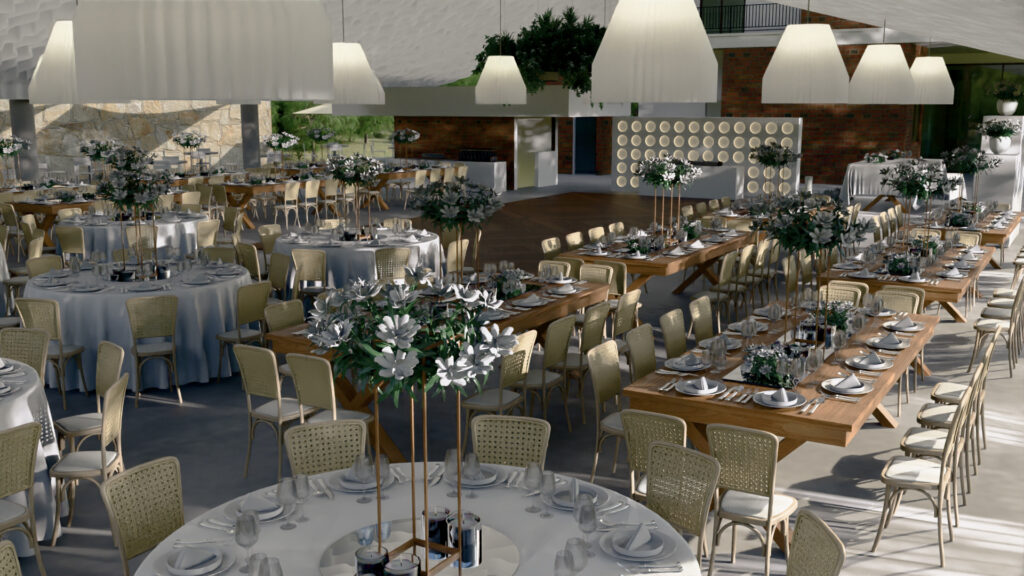
With accommodations for over 200 guests, a chapel, an event hall, and a private estate nestled in the natural surroundings of Malinalco.