THE BLOG
- June 3, 2026
- Ceremonies and Legal Procedures
Destination Wedding | How to Incorporate a Religious Ceremony
Planning a destination wedding already comes with a long list of decisions, and when a religious ceremony is part of the picture, the logistics get even more involved. For many couples in Mexico, faith is central to marriage, and moving that ritual to a location outside their home city raises real questions: How do you find a priest or religious minister in another state? What documents are required for the ceremony to be valid? Is it actually possible to have a destination wedding with an on-site chapel without giving up the solemnity of a formal religious rite?
The answer is yes, and pulling it off well comes down to understanding the process early and choosing a venue that makes the integration easier, not harder. The sections below break down the key steps, the most common mistakes, and the questions every couple should ask both their religious officiant and the venue before signing anything.
Why the religious ceremony shapes the entire feel of a destination wedding
A destination wedding is more than just a change of scenery. It's about creating an immersive experience for the couple and their guests: travel, landscape, lodging, and celebration all in one place. When you add a religious ceremony to that concept, the event takes on a deeper dimension, blending the sacred with the extraordinary.
But weaving a religious ceremony into a destination wedding requires coordination that goes well beyond simply bringing a priest to the venue. There are church protocols, parish permits, documentation requirements, and physical space needs, like a proper altar, a processional aisle, and good acoustics, that not every venue can deliver.
In Mexico, most religious weddings are Catholic, though Jewish, evangelical Christian, and other faith traditions have grown significantly. Each religion has its own rules for celebrating outside its home parish. Understanding those rules ahead of time is what separates a ceremony that feels sacred from one that feels improvised.
Step by step: how to coordinate a religious ceremony at your destination wedding
Talk to your priest or religious leader before booking the venue
The first move is always a conversation with the couple's home priest, pastor, or rabbi. Many religious traditions require the ceremony to be authorized, or at least acknowledged, by the ecclesiastical authority of the community the couple belongs to, not the one at the destination.
In the Catholic Church, the couple's home parish needs to issue a freedom-of-state letter and, in many cases, coordinate with the diocese at the destination so that a priest can officiate outside his jurisdiction. This process can take anywhere from 4 to 8 weeks, so it needs to get started well before the invitations go out.
Find out whether the venue has a private chapel or consecrated space
Not every venue is set up for a formal religious ceremony. Some offer garden settings with decorative arches, which work beautifully for civil or symbolic ceremonies, but they don't have the liturgical elements needed for an official religious celebration.
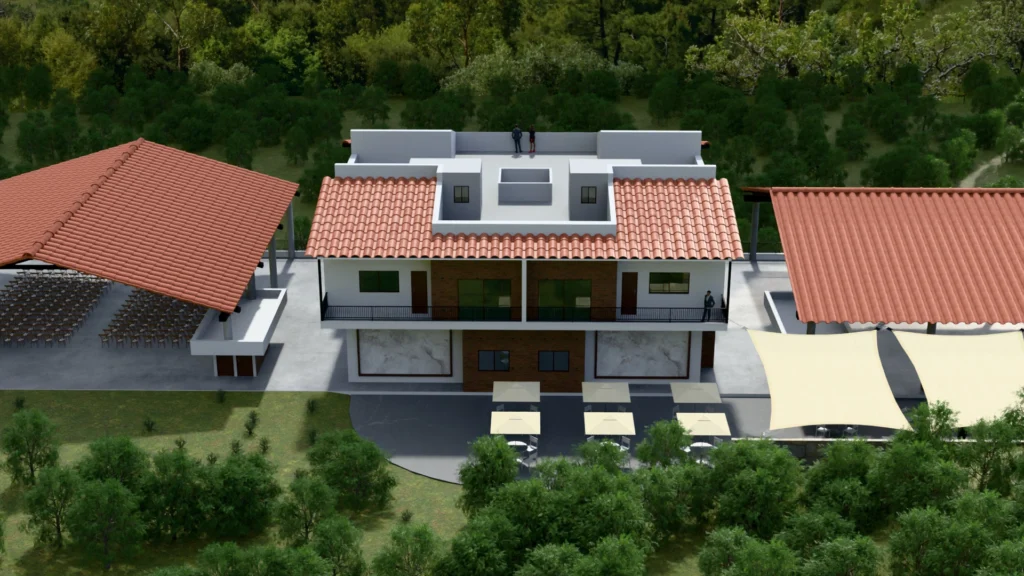
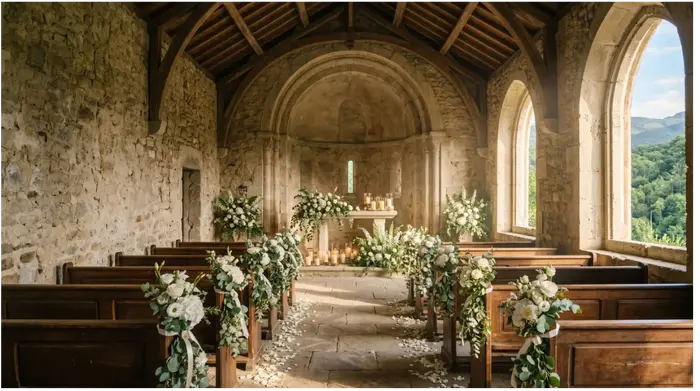
Couples should ask directly: Does the venue have a chapel with an altar, a confessional, or a preparation space for the officiant? How many guests does it hold? Is the sound system equipped for a full Mass or extended ceremony? Gran Malinalco has a private on-site chapel within its 9-hectare property in Malinalco, State of Mexico, designed specifically for religious weddings with all the necessary liturgical features. Because it's an exclusive-use venue, the couple doesn't share the space with anyone else, which means the ceremony timeline is completely theirs to set. More details at granmalinalco.com.
Get the paperwork sorted early
For a Catholic wedding outside the couple's home parish, the documents most commonly required include:
- Updated baptismal certificates for both partners (typically valid for no more than six months).
- Confirmation certificate for each partner.
- Proof of completing a pre-marriage preparation course.
- Freedom-of-state letter issued by the home parish.
- Civil marriage certificate (required before or alongside the religious ceremony in some cases).
Individual dioceses may have additional requirements, and if the venue is in a different jurisdiction than the couple's home parish, it's worth confirming directly with the officiant whether he needs formal authorization from his bishop.
Coordinate the ceremony timing with the rest of the day
One of the perks of a destination wedding is that the couple and their guests are already in the same place. But that also means the religious ceremony, cocktail hour, dinner, and dancing all need to flow within a single space and a single day. Ideally, the religious ceremony takes place in the early evening, somewhere between 5:00 and 6:30 p.m., leaving enough time to move to the reception area, enjoy a sunset cocktail hour, and sit down for dinner.
When the venue includes on-site lodging, like Gran Malinalco, which can accommodate more than 200 guests on the property, there's no pressure to wrap things up early. The celebration naturally stretches into the early morning hours without anyone worrying about the drive back to the city that night.
Plan the guest logistics in advance
A religious ceremony at a destination wedding means many guests are traveling from out of town. Couples should think through the following ahead of time:
- Clearly communicate the dress code for the religious ceremony; many traditions require covered shoulders or similar guidelines.
- Let guests know whether there will be internal transportation between the chapel and the reception area.
- Prepare a short printed ceremony program for guests who may not be familiar with the rite.
- Coordinate with the venue's musician or choir if liturgical music will be part of the Mass.
Private chapel vs. local historic church for a destination wedding: which one works better?
Many couples don't think about this decision until they're deep in the planning process: should the religious ceremony take place in a local church at the destination, which may be historic and beautiful, or in the venue's private chapel? Both options have real advantages, and the right choice depends on what matters most to the couple.
| Factor | Local public church | Private chapel at the venue |
|---|---|---|
| Sense of place | High — especially in a Magical Town or colonial city | High — purpose-built for weddings |
| Schedule control | Limited — subject to parish hours | Complete — couple sets the timeline |
| Transportation | Required — travel back and forth to the venue | None — everything in one place |
| Personalization | Limited by local church rules | Greater flexibility for décor |
| Privacy | Shared with parishioners or tourists | Exclusive to the wedding party |
| Logistics | More complex (two locations) | Simple — one location for everything |
The most common mistakes when incorporating a religious ceremony into a destination wedding
Waiting too long to start the church paperwork
Parish documents have specific validity windows, and the authorization process between dioceses can take longer than expected. Starting at least 6 months out is the single most important rule of thumb for avoiding last-minute problems.
Assuming the local parish priest at the destination can officiate without prior coordination
That's not always the case. In many situations, the couple's home priest can travel to the destination, and many are happy to do so when asked with enough lead time. The added bonus is that the officiant already knows the couple and can deliver a homily that actually feels personal.
Skipping the sound check at the chapel or ceremony space
An extended ceremony, especially a full Mass with music, needs solid acoustics. A microphone with echo or a space that can't accommodate a choir can undermine the entire auditory experience for every guest in the room, even if the ritual itself goes perfectly.
Underestimating how long the religious ceremony will run
A full nuptial Mass can last between 60 and 90 minutes. Couples who budget 45 minutes often end up running behind for the rest of the day, putting pressure on the catering team, the musicians, and the photographers.
Not briefing guests on the religious protocol
When guests come from different cities and different faith backgrounds, some of them may not know how to behave during a formal religious ceremony. A short printed program with simple, discreet guidance can make a real difference in how the experience feels for everyone in the room.
FAQs about religious ceremonies at destination weddings
Yes, it can. The Catholic Church allows couples to marry in a diocese different from their home parish, but the process requires coordination between both jurisdictions. The couple needs to obtain a freedom-of-state letter from their home parish and get permission for their chosen priest to officiate at the destination. In most cases, if the priest belongs to a different diocese than the one where the wedding will take place, he also needs a license from the local bishop. The most practical approach is to have the couple's trusted priest handle this process himself, since he's familiar with the church procedures involved.
The standard documents include updated baptismal certificates for both partners (valid within the last six months), confirmation certificates, proof of completing a pre-marriage course, a freedom-of-state letter from the home parish, and in some cases, the civil marriage certificate. Some dioceses in the State of Mexico and elsewhere may request additional paperwork. The best move is to check directly with the officiant to get the exact list based on the destination diocese's requirements.
It really depends on the couple's priorities. A historic church in a Mexican Magical Town offers a one-of-a-kind architectural setting and a sense of connection to the local heritage, but it comes with transportation requirements and less control over timing. A private chapel on the venue grounds, like the one at Gran Malinalco in Malinalco, State of Mexico, keeps the entire celebration in one place, offers full privacy, and removes any dependence on the local parish schedule. For larger weddings or more complex logistics, the private chapel typically makes for a smoother, less stressful experience for everyone involved.
Ideally, start the church-related planning at least 6 months out, and in some cases 8 to 10 months if the date falls during a high-demand period like Holy Week, long holiday weekends, or December. Destination wedding venues in the State of Mexico, including those in Malinalco, V alle de Bravo, and Tepoztlán, book up quickly during peak season, and priests who are available to officiate on those dates tend to fill their calendars early as well. Booking the venue and confirming the officiant at the same time eliminates scheduling conflicts that are very hard to fix at the last minute.
A religious ceremony at a destination wedding is absolutely doable, and when it's planned well, it becomes the most powerful moment of the entire celebration. The key is starting the process early, choosing a venue with the right liturgical infrastructure, and looping in the religious officiant from the very beginning of the planning process, not the week before the wedding.
If you're looking for a venue where the private chapel, guest lodging, and gardens are all in one place, just 90 minutes from Mexico City, Gran Malinalco offers exactly that combination in Malinalco, State of Mexico. It's worth scheduling a visit before making your final decision.
Schedule a Visit →Share
Other articles
Wedding venues near Mexico City
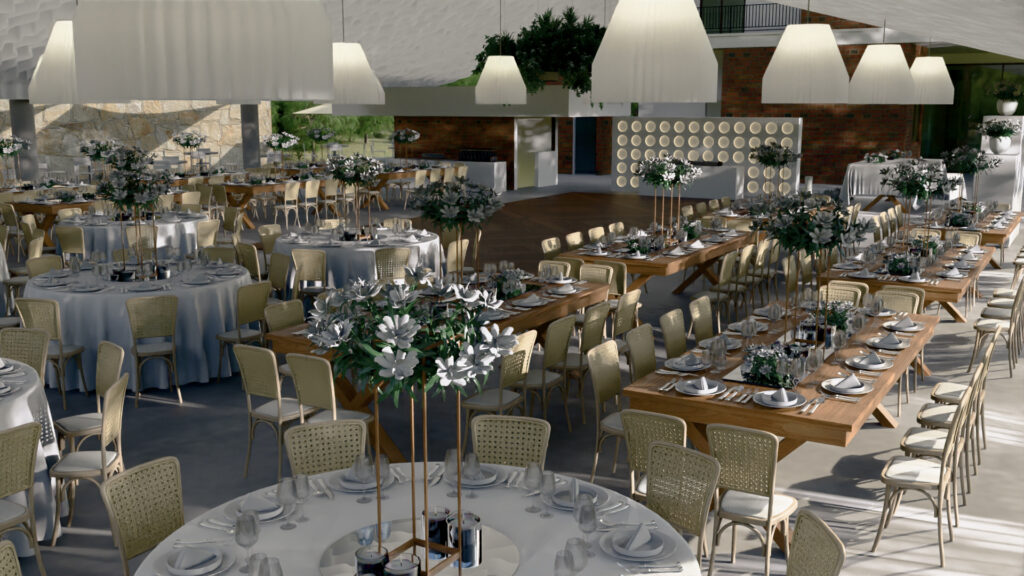
With accommodations for over 200 guests, a chapel, an event hall, and a private estate nestled in the natural surroundings of Malinalco.
Gran Malinalco Facilities