The Mexican wedding traditions that remain most popular today are the formal proposal visit, the padrinos, the lazo, the arras, the bouquet offering to the Virgin, the money dance, la víbora de la mar, the mariachi, and the tornaboda. Almost all of them began in the Catholic ceremony or at the family celebration, and they endure because each one solves something specific: blessing the union, sharing responsibilities among relatives, or turning the celebration into a shared moment.
The decision couples face is rarely to keep all of them or drop all of them. More often, they wonder whether to keep the original meaning, adapt it to a smaller wedding, or keep only what truly moves both families. A wedding in Mexico City or the State of Mexico can include three of these customs and feel just as Mexican as one that includes all nine.
Knowing where each tradition comes from helps you decide which ones deserve a place in the program and which ones can stay as a family memory.
Three factors explain why these customs last. The first is a meaning that can be explained in one sentence, like the lazo that unites or the arras that represent shared prosperity. The second is that they give the family a role, especially the padrinos, which makes them hard to remove without raising questions. The third is that they fit into the schedule without requiring complicated productions.
They also have institutional support. The United States Conference of Catholic Bishops included the blessing of the arras and the placing of the lazo as optional rites in the second edition of its marriage ritual, a formal recognition of customs that Hispanic communities preserved for generations. The fact that they are optional matters: the couple decides whether to include them, and none is required within the rite.
This is the formal visit in which the groom's family goes to the bride's home to ask for her hand and talk about the couple's future. It remains relevant because it marks the moment when both families meet and see themselves as part of the same project. Today it is usually a relaxed lunch or dinner, and it works as the first agreement on dates, location, and the size of the celebration.
The padrinos accompany the couple throughout the process and take on a symbolic role during the ceremony. There are padrinos for the lazo, the arras, the rings, the Bible, the cushions, or the bouquet, and some also cover part of the costs, such as the cake or the music. They endure because they spread the wedding across more loved ones and strengthen the bond with each of them.
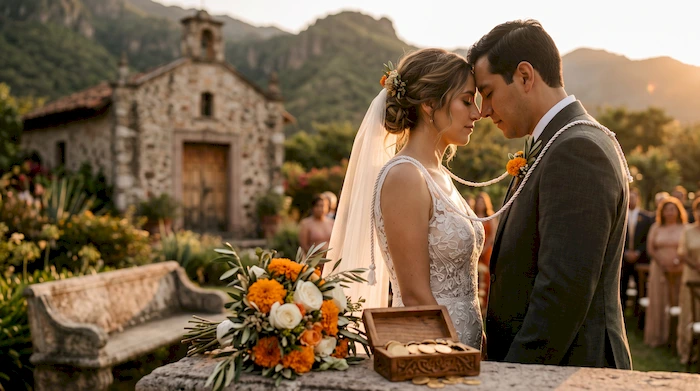
A lazo is a cord, a ribbon, or a large rosary that the padrinos place over the couple's shoulders in a figure eight during the religious ceremony. It represents the couple's inseparable union and is usually kept at home after the wedding. It remains one of the most popular customs because it takes only a few minutes, looks beautiful in photographs, and leaves behind an object the family treasures.
These are thirteen coins, usually gold or silver, that are blessed and presented during the ceremony. They symbolize the promise to share whatever the couple receives and to care for their home together. In the oldest version the groom gave them to the bride, but today many couples exchange them with each other, an adaptation that keeps the symbol and reflects a relationship between equals.
Many brides take their bouquet to a church or place it before an image of the Virgin of Guadalupe, either before the ceremony or at the end of the reception, as a gesture of thanks and a request for protection. It is a brief, private custom that does not change the schedule, which makes it easy to keep even at weddings with a tight timeline.
After the first dance, guests take turns dancing with the couple while pinning bills to the groom's suit and the bride's dress. The gesture wishes the couple prosperity and gathers money that many couples put toward their honeymoon, as Univision notes among the customs that keep showing up at weddings. Not every family is comfortable with it, so today it is often adapted with a donation box, an envelope, or a song reserved for close family and friends.
Late in the night, the couple stands on two chairs and joins hands to form an arch, while guests pass underneath in a line, holding each other by the waist or shoulders, to music that keeps speeding up. It is the game that breaks the formality and brings guests of every age onto the same dance floor.
Live music marks key moments: the couple's arrival, the cocktail hour, or a serenade for the newlyweds. It endures because of identity, since few elements say Mexican celebration as quickly. Many couples combine it with a DJ or a band so the dance floor has a more varied repertoire throughout the night.
This is the celebration after the wedding, which today usually happens in the early morning hours or the next day, with close family and friends. Comfort food such as pozole, chilaquiles, or tacos is served, and in northern Mexico menudo is common. It lasts because it allows everyone to relax and spend time together, something the main party does not always leave room for.
When the ceremony includes the lazo and the arras, having a private chapel like the one at Gran Malinalco lets you rehearse the rite and celebrate it on your own schedule, without sharing the space with another wedding.
| Tradition | When it happens | How to update it |
|---|---|---|
| Formal proposal visit | Before the wedding | A meal with both families to agree on the date, location, and budget. |
| Padrinos | Planning and ceremony | Give each padrino a specific role and clarify what contribution is expected, if any. |
| Lazo | Ceremony | Ask very close people to place it and keep it at home as a keepsake. |
| Arras | Ceremony | A mutual exchange and a short message from the couple as they present them. |
| Bouquet offering | Before or after the party | A brief visit with relatives, outside the formal program. |
| Money dance | Reception, after the first dance | A donation box or envelope for those who prefer not to pin bills. |
| La víbora de la mar | Reception, late at night | Schedule it before guests get too tired and let the DJ know. |
| Mariachi | Cocktail hour or dinner | Combine it with a DJ or band to vary the repertoire. |
| Tornaboda | Early morning or the next day | A simple menu and a clear end time for those who want to leave. |
The following scenario is illustrative and does not describe a specific wedding. A couple with families from Mexico City and Toluca has to choose among nine customs for a celebration of 120 guests. After talking with their parents, they keep six: the lazo and mutual arras at the ceremony, with padrinos chosen from among aunts, uncles, and close friends; mariachi during the cocktail hour; the money dance turned into a honeymoon donation box; la víbora de la mar as a surprise on the dance floor; and a tornaboda with pozole the next day.
They skip the formal proposal visit, because it already happened informally months earlier, and the bouquet offering to the Virgin, which the bride's family prefers to handle privately. The result is a program with a clear identity that does not crowd the timing of the ceremony or the dinner.
Customs change depending on the state and the community. In colonial cities like San Miguel de Allende and Guanajuato, the callejoneada is popular, with the couple and guests walking the streets with music and dancing, as Arte Visual MF describes in its guide to local traditions for destination weddings in Mexico. In northern Mexico the tornaboda often includes menudo, while pozole and chilaquiles are more common in the center of the country.
This diversity explains why a couple from Mexico City and another from Monterrey can describe a Mexican wedding in very different ways and both be right. That is why it helps to ask your families which version of each custom they remember, before copying a format from social media.
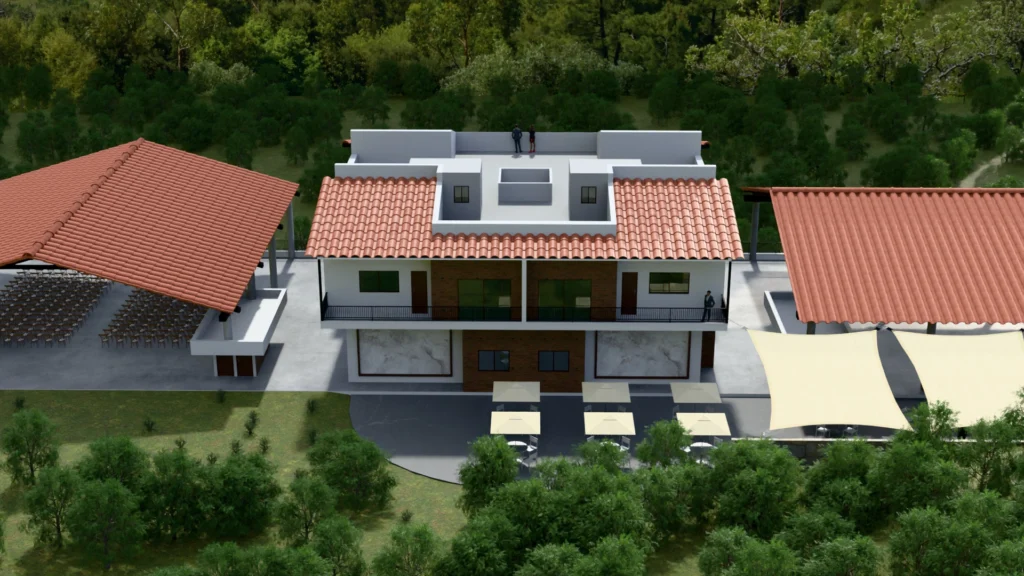
Gran Malinalco is rented exclusively and spans 9 hectares (about 22 acres) of nature and mountains, 90 minutes from the capital. For couples looking for a wedding venue near Mexico City, this has a practical effect on traditions: with no other celebration next door, the mariachi does not compete with other music, and la víbora de la mar fits the couple's program instead of the venue's clock.
The event hall and the gardens make it possible to separate each moment: a cocktail hour with live music outdoors, dinner and dancing in the hall, and a tornaboda in a more intimate space. With lodging included for more than 200 guests, the tornaboda happens without transportation and with everyone a few steps from their room, something that often ends up being the hardest part to solve at city weddings.
The most common are the lazo, the arras, and the padrinos at the ceremony, and the money dance, la víbora de la mar, and the mariachi at the party. None is required, and the couple can choose the ones that make sense for their families. The formal proposal visit and the tornaboda complete the cycle before and after the wedding. What matters most is that each one has a clear meaning for the people taking part.
The lazo, placed in a figure eight over the couple's shoulders, symbolizes their inseparable union. The arras are thirteen coins that represent the commitment to share their belongings and care for their home together. Both are optional within the ceremony, and many couples keep them as objects passed from one generation to the next.
No, it is not required, and some families prefer to skip it. Those who keep it adapt it with a donation box, an envelope, or a brief moment with close relatives. It is best to agree on it with both families and let the DJ know so there are no surprises during the party.
Yes. The lazo and the arras have religious origins, but they can be presented as symbols of union in a symbolic or civil ceremony, with padrinos and a message from the couple. For a wedding near Mexico City, a venue with a chapel and gardens lets you choose between a religious rite and an outdoor ceremony. To compare formats, our guide to symbolic vs civil weddings can help you decide.
The customs that survive do not last out of habit, but because they give shape to emotions families recognize: belonging, gratitude, wishing prosperity, and celebrating together. Choosing a few and doing them well usually makes for a more personal wedding than piling up rituals out of obligation.
An early conversation with parents and padrinos, a program with realistic timing, and a space that respects the pace of each moment make tradition feel natural. For couples who want to imagine how the lazo, the arras, and the tornaboda would feel among gardens and mountains, the Gran Malinalco team welcomes couples to tour the property and answer questions.
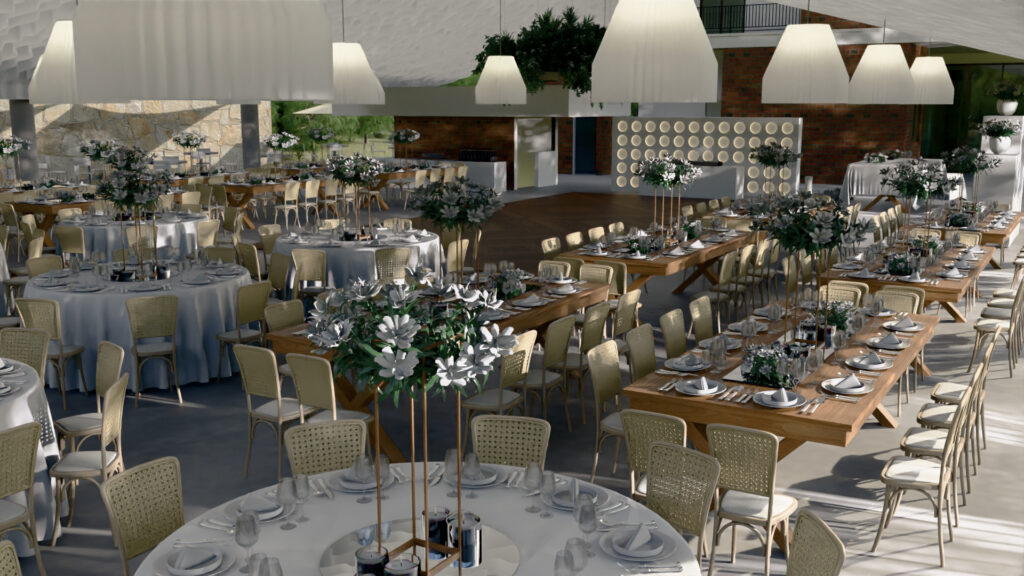
With accommodations for over 200 guests, a chapel, an event hall, and a private estate nestled in the natural surroundings of Malinalco.