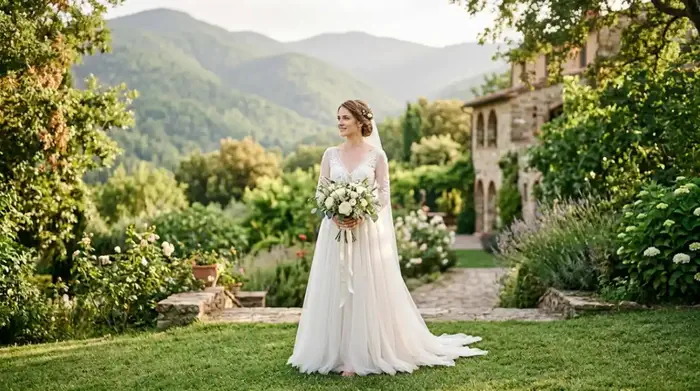
Choosing a wedding dress is one of the most personal decisions in the entire planning process. It is not just about chasing trends or picking the gown that gets the most likes on Pinterest, it is about finding a silhouette that makes the bride feel exactly how she wants to feel on the most special day of her life. With so many options on the market, and so many opinions from family and friends, the process can quickly feel overwhelming.
The most effective starting point is understanding your own body shape. Every figure has unique proportions, and knowing them makes it much easier to narrow down the options. A bride who knows which silhouettes flatter her shape can walk into any boutique, from the most exclusive showrooms in Mexico City to small ateliers in the State of Mexico, with a clear sense of what she is looking for, instead of settling for the first dress she is handed.
This guide breaks down the most common body types, the silhouettes that work best for each one, and the most common mistakes worth avoiding. The goal is for couples planning a wedding to arrive at their first appointment with a designer or boutique feeling far more confident.
Before talking about dresses, it helps to identify your own shape with precision. There are five common patterns, and most people recognize themselves in one of them, or in a combination of two.
This figure has shoulders and hips of similar width, with a noticeably narrower waist. It is considered the most balanced silhouette in terms of classic proportions. Brides with this body type have the advantage that nearly any dress silhouette works well, although the styles that celebrate this figure the most are body hugging cuts or full skirts that flare out from the natural waistline.
In this case, the hips are wider than the shoulders, and the upper body is narrower. The goal when choosing a dress is usually to balance the proportions, adding volume or detail up top while streamlining the hip area. Necklines with extra volume, slightly structured sleeves, and flowy skirts that do not cling to the hips are great allies here.
Weight is concentrated in the upper and middle part of the body, with broad shoulders and bust and narrower hips. What works best here is visually elongating the figure and creating the illusion of a more defined waist. Dresses with deep V necklines, skirts with a bit of flare, and empire cuts that do not cinch the midsection tend to be the most flattering.
Shoulders, waist, and hips are all similar in width, with little difference between them. The goal is to create curves where there are naturally straight lines. Dresses with bodice detail, waist draping, or layered skirts help add movement and dimension to the figure. Completely smooth, fitted designs tend to emphasize the lack of curves.
The shoulders are noticeably wider than the hips, sometimes paired with a prominent bust. Contrast is the main tool here, adding volume at the bottom of the dress to balance the width of the shoulders. More discreet or illusion necklines, combined with layered or full skirts, create the visual harmony brides are looking for.
Once the body type is identified, the next step is getting familiar with the available silhouettes. Each one has a different effect on the figure, and it is worth understanding them before trying anything on.
| Silhouette | Hourglass | Pear | Apple | Rectangle |
|---|---|---|---|---|
| Princess / A-line | Excellent | Excellent | Very good | Good |
| Mermaid / Fit & Flare | Excellent | With caution | Avoid | With caution |
| Empire | Depends on taste | Very good | Excellent | Good |
| Ballgown | Very good | Excellent | With caution | Very good |
| Column / Sheath | Depends on taste | Avoid | Avoid | With caution |
Excellent, highly flattering. With caution or depends on taste, the construction details matter. Avoid, generally not recommended.
This is the most versatile silhouette of all. It fits at the bust and waist, then flares gently from the hips down, like the letter A. It flatters nearly every body type because it elongates the figure, softens wide hips, and adds movement without exaggerating volume. It is the most requested style in Mexico, precisely because of its balance between elegance and comfort.
This style clings to the body from the bust down to the knee or calf, where it flares out into a kind of train or flounce. It celebrates curves and is especially flattering on hourglass figures. It is not the most practical choice for dancing or moving freely, which is worth considering if the reception will run long. For brides with more prominent hips, it can require very precise tailoring.
The seam that defines the waist sits just below the bust, creating a high, flowing line from there down. This is very flattering on apple shaped figures because it does not emphasize the midsection and visually lengthens the legs. It also works beautifully for outdoor celebrations, like the ones held at garden venues or in natural settings.
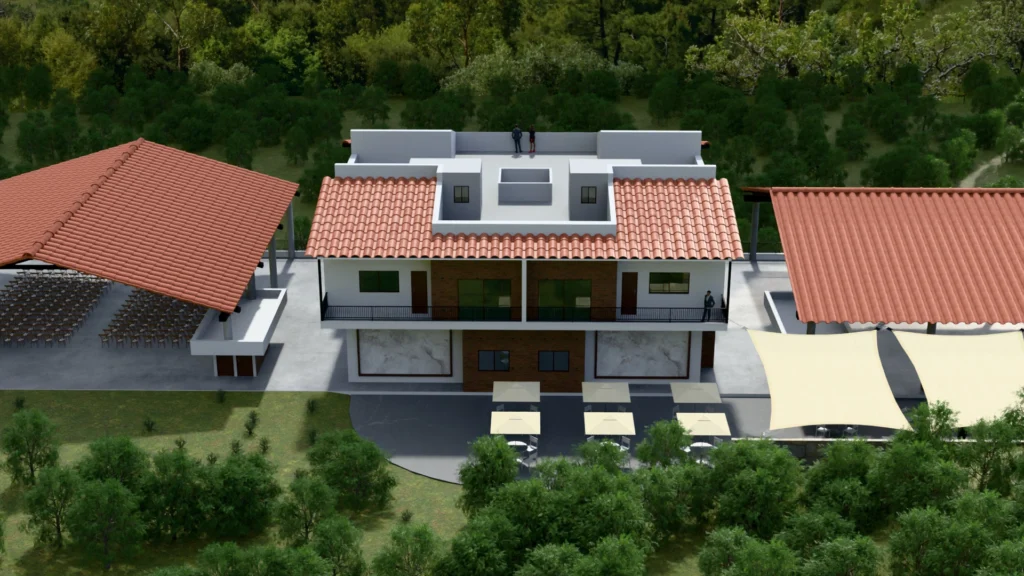
Couples planning a wedding in central Mexico may want to consider a property that combines the elegance of a natural setting with the infrastructure to host more than 200 guests: Gran Malinalco, a wedding venue near Mexico City, just 90 minutes from the capital, offers a private chapel, gardens, and on-site lodging, exactly the kind of setting that makes a carefully chosen gown look the way it was meant to.
Body type is the starting point, but it is not the only factor at play. There are at least three other elements that directly influence the final decision.
A long train and lace bodice can be stunning in a chapel, but uncomfortable at a beach wedding or in a garden with uneven ground. Brides celebrating at garden venues or in natural settings, as is common in many spots around the State of Mexico, tend to choose lighter fabrics like organza, crepe, or chiffon, which move better outdoors and do not trap heat. More structured silhouettes and stiffer materials like mikado or duchess satin work better in climate controlled indoor spaces.
In Mexico, the most popular wedding season runs from October to January. Ceremonies in cooler months allow for denser fabrics and long sleeves without sacrificing comfort. For spring weddings, or ceremonies in warmer towns like Malinalco during the hottest months, loose cuts, bare shoulders, and breathable fabrics become practical considerations, not just aesthetic ones.
One thing many brides mention after the wedding, the dress needs to allow for sitting, eating, dancing, and hugging. Before making the final decision, it is worth doing a movement test, sit down, step up, spin around. Dresses with corset backs allow for adjustments on the day of the event, which is a real advantage when there are several months between the fitting and the wedding.
When done in an organized way, this process usually takes between 4 and 6 months to have the dress ready, with enough time left for alterations.
The space where the wedding will take place is not a neutral element, it sets the visual scale for the dress. An intimate stone chapel calls for a gown with a certain restraint and handcrafted detail. An event hall with high ceilings and large windows can easily carry a cathedral train or a dress with serious volume. A garden surrounded by mountains and greenery invites more flowing silhouettes, with fabrics that respond to the breeze.
Couples who have their venue confirmed before choosing the dress have an advantage. Gran Malinalco's private chapel, for example, has a warm, natural architecture that pairs especially well with romantic gowns, whether in lace, tulle, or crepe. The venue's 9 hectares of gardens, just 90 minutes from Mexico City in Malinalco, State of Mexico, become a backdrop where flowing silhouettes and moderate trains look exceptional in photo and video.
If the dress budget is a concern, it is worth looking into real strategies for finding sample gowns, rental options, and stylish alternatives outside of traditional bridal collections, without sacrificing the final look: Budget wedding dress with style.
It is best to start the search at least 6 to 8 months ahead of time. Ateliers and boutiques in Mexico, especially those located in Mexico City, Guadalajara, and Monterrey, usually need 3 to 5 months to produce a custom gown, plus the weeks needed for fittings. Buying with less time can mean limited options or extra costs for rush production.
The silhouettes that work best for a pear shape are A-line cuts and ballgowns, because they add volume from the waist down and balance the difference between shoulders and hips. It also helps to choose necklines with detail, embroidery, ruffles, or feathers, to draw attention to the upper body. What is best avoided are fitted cuts around the hip area, like the mermaid silhouette, unless they are tailored with precision and the bride feels completely comfortable in them.
For outdoor weddings, gardens, haciendas, or nature venues like the ones found throughout the State of Mexico, there are three practical things to consider: fabric, favoring light and breathable materials like crepe, chiffon, or organza; the train, since a train that is too long picks up dirt, grass, and moisture; and footwear, since stiletto heels sink into the grass, making block heels or low sandals far more practical. A removable overskirt can be the best solution, worn for photos and the ceremony, then taken off for the reception and dancing.
Definitely. The venue sets the visual scale for everything, including the dress. A stone chapel with warm lighting favors gowns with handcrafted detail, lace, or embroidery. A tall event hall can easily carry a dress with a train and volume without it feeling like too much. Gardens and outdoor spaces in natural settings, like venues in the mountainous areas of the State of Mexico, pair beautifully with flowing silhouettes and lightweight fabrics that respond to movement. Having a clear sense of the venue before choosing the dress leads to decisions that feel more cohesive with the overall look of the wedding.
Choosing a wedding dress does not have to be a stressful experience. When couples arrive at boutiques with clarity about their body shape, their venue, and the kind of ceremony they want, the process becomes far more enjoyable and the decisions feel much more confident. The right silhouette is not the one that is trending, or the one that looked best on another bride, it is the one that makes the person wearing it feel exactly how she wants to feel on that day.
If the wedding is being planned for an outdoor venue in central Mexico, it is worth considering how the natural setting impacts the choice. Reach out to Gran Malinalco and discover how the venue can become the best visual partner, so the dress and the entire wedding look exactly the way they were imagined.
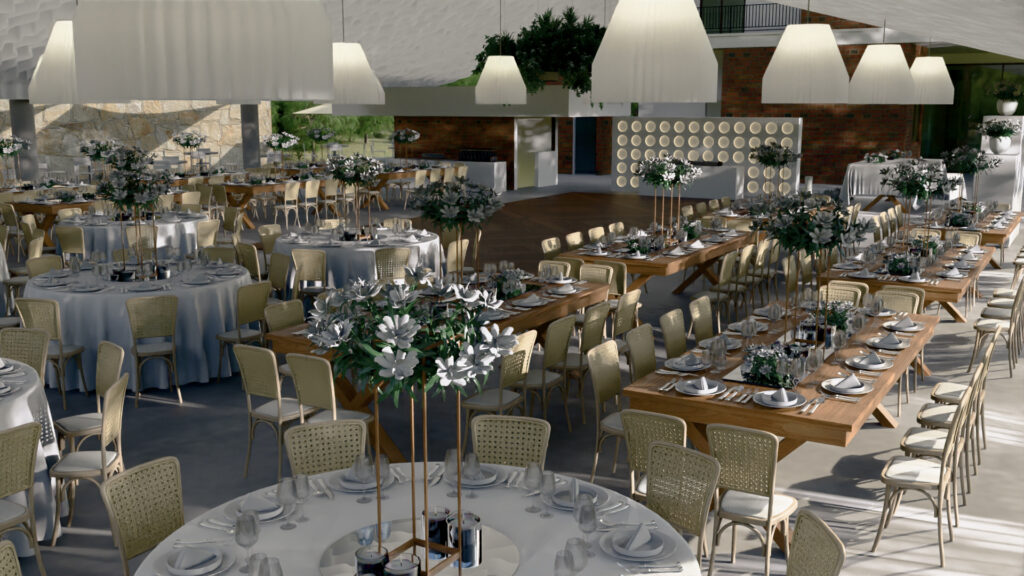
With accommodations for over 200 guests, a chapel, an event hall, and a private estate nestled in the natural surroundings of Malinalco.