Getting married in a church if you are not Catholic is possible, and in Mexico it happens often. The Catholic Church does not forbid this kind of union, but it requires express permission from the bishop, a signed declaration from the Catholic partner, and preparation at the parish beforehand. Many couples discover these requirements after they have already booked a date and a venue, and the priest asks for documents that take weeks to arrive.
The decision also has an emotional side. The Catholic partner’s family usually expects a ceremony at the altar, while the other partner wants a moment that respects their own beliefs, or their lack of them. Both views can coexist, because there are several valid paths: a Catholic wedding with special permission, a ceremony in the other partner’s church with a dispensation, or a civil ceremony with a blessing.
Each path involves different timelines, paperwork, and consequences for the marriage within the Church, so it is best to choose one before booking a venue and sending invitations.
The first step in getting married in a church if you are not Catholic is placing the couple in one of two categories, because each has different requirements. The difference comes down to a single fact: whether the non-Catholic partner has been baptized. The Church's guidance on mixed marriages according to the Catechism (in Spanish) explains this distinction in detail.
A mixed marriage is one between a Catholic and a person baptized in a different Christian denomination, such as Evangelical, Anglican, or Orthodox. The Church allows it as long as there is express authorization from church authorities, a process that in practice the parish handles with the bishop.
The Catholic partner declares in writing that they will keep their faith and do everything possible to baptize and raise the children in the Catholic Church. The other partner is informed of that promise, but is not asked to give up their community or change religions.
When the non-Catholic partner is not baptized, whether Jewish, Muslim, Buddhist, atheist, or agnostic, the case is called disparity of cult. Here the Church requires an express dispensation from the impediment for the marriage to be valid, not just licit, so without that document the ceremony would have no canonical effect.
If only one of the partners is baptized, the marriage is valid but is not considered a sacrament. This is a nuance worth discussing with the priest from the first meeting, especially when the Catholic family places special weight on the sacrament.
They do not have to convert, get baptized, or take part in Mass for the wedding to be authorized. They do need to understand the commitments their partner is making and must not exclude what is essential to Catholic marriage: a faithful, permanent union that is open to children.
| Situation | What it is called | What is needed | Nuptial Mass |
|---|---|---|---|
| Catholic and baptized in another Christian church | Mixed marriage | Bishop's permission and a declaration from the Catholic partner | Usually celebrated without Mass |
| Catholic and an unbaptized person | Disparity of cult | Express dispensation from the impediment and a declaration from the Catholic partner | Usually celebrated without Mass |
The paperwork for getting married in a church if you are not Catholic varies slightly between parishes and dioceses, but the general path is similar in Mexico City, the State of Mexico, and the rest of the country. This is the order that tends to work best:
To help you plan your timing, these guidelines work as an organizational reference, although each diocese sets its own deadlines:
| When | What to have settled |
|---|---|
| 8 to 10 months before | First meeting with the priest, choosing the ceremony path, and talking with both families. |
| 6 to 8 months before | Complete documents and the start of the premarital course. |
| 4 to 6 months before | Signed declaration and the permission or dispensation request in process. |
| 2 to 3 months before | Civil process at the Civil Registry and confirmation of the religious authorization. |
| 1 month before | Details on readings, music, the participation of other ministers, and the final ceremony program. |
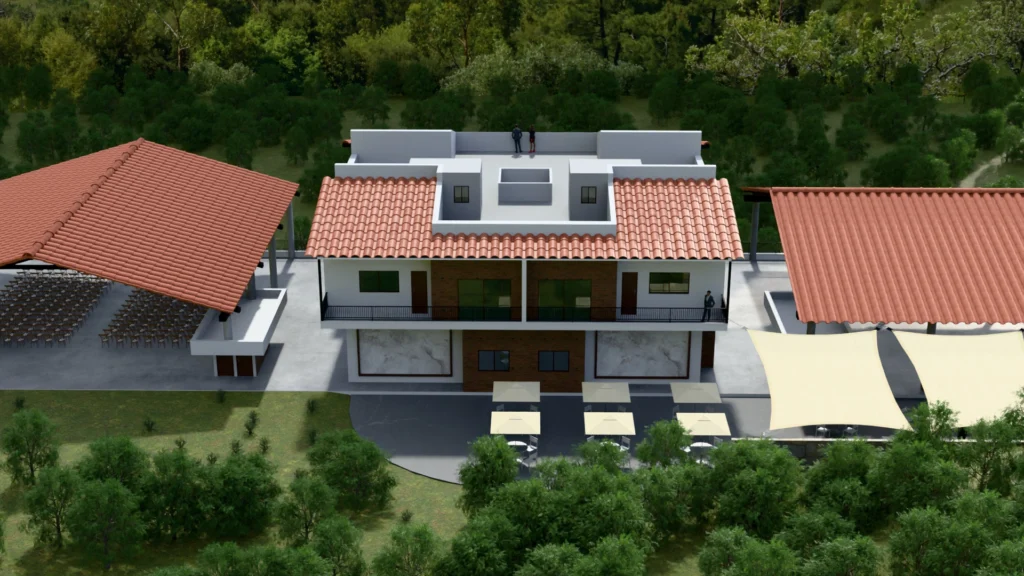
Couples who prefer to have the ceremony and the celebration in the same setting can look at how the private chapel at Gran Malinalco works, a good starting point for talking with the priest about permissions and logistics.
There is no single way to get married in a church if you are not Catholic, and the best choice depends on how much the religious ceremony matters to each family. These are the most common paths, and what each one involves.
This is the most complete path for those who want the marriage to be recognized by the Church. The ceremony follows the Catholic rite before a priest or deacon and, in unions with a non-Catholic partner, it is usually held without Mass, which keeps the couple and non-Catholic guests from being left out of Communion. The parish will tell you whether, in your specific case, it can be done differently.
When the marriage is with a person baptized in another Christian church, the bishop can grant a dispensation from canonical form, and the wedding is held in that community's church with its own minister. Without that dispensation, the marriage would not be recognized as valid for the Catholic partner, so it must be arranged before setting the ceremony date.
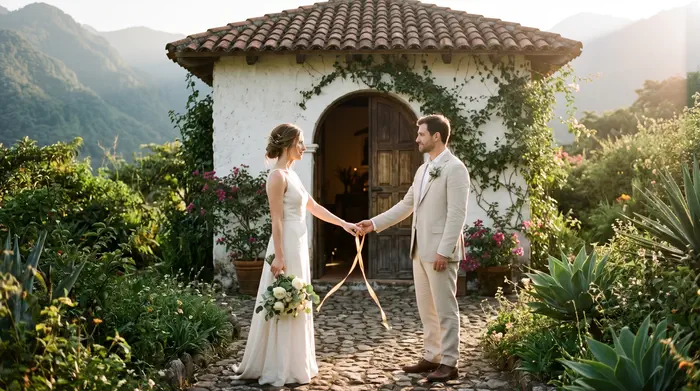
Some couples decide that the legal act will be the civil ceremony and add a symbolic ceremony with readings, personal vows, and rituals such as a handfasting or lighting candles. This path offers total freedom of location and format, but the Church does not consider it a Catholic marriage, which is a key point for families who expect an altar ceremony.
At venues like Gran Malinalco, with 9 hectares of gardens available for exclusive rental and a private chapel, a symbolic ceremony can take place in front of the mountains without sharing the space with other events.
Couples from different traditions can combine prayers, readings, and blessings from both sides. Within a Catholic marriage, a minister from another denomination can take part with an exhortation, a prayer, or the closing blessing, as long as it is coordinated with the officiant. The Church's special cases of marriage (in Spanish) explain how it approaches this kind of blended ceremony.
The following are illustrative examples of how these situations are usually resolved, not accounts of any particular couple.
Choosing shared pieces and texts keeps either family from feeling that the ceremony belongs to someone else. Psalms and passages about love are often common to several denominations, and the vows can be complemented with your own words during the reception.
When the ceremony and the party take place in a single location, guests from both families share the day without traveling between a church and a banquet hall. Gran Malinalco, about 90 minutes from Mexico City, brings together a private chapel, an event hall, and lodging for more than 200 guests, which simplifies the trip for families arriving from different parts of the country.
Yes. The Catholic Church allows marriage between a Catholic and a person baptized in another Christian denomination with the bishop's permission, and with an unbaptized person through a dispensation. The Catholic partner signs a declaration and promise, and the couple completes the preparation at the parish. The non-Catholic partner keeps their religion.
No. Neither baptism nor conversion is required to hold the wedding. What is asked is that they understand the Catholic partner's commitments and do not exclude the essential characteristics of marriage. Some parishes also ask for a baptismal certificate or a declaration of free status, depending on the case.
Yes, in a complementary role. In the Catholic rite, the priest or deacon receives the consent, and the guest minister can offer an exhortation, a prayer, or the closing blessing. It is best to agree on that participation with the parish before setting the ceremony program.
We recommend approaching the parish eight to ten months before the date, because the permission or dispensation depends on the diocese's response and each diocese sets its own timelines. That margin allows you to complete the premarital course and the civil process without rushing.
Getting married in a church if you are not Catholic does not force you to choose between your family and your partner. It asks you to organize your timeline: talk to the parish from the start, decide on the ceremony path, and gather the documents before committing to a date and venue. With that foundation, the wedding can be celebrated with the Catholic rite, in another denomination's church, or with a symbolic ritual, and in every case with respect for both partners.
Once the couple is clear on the ceremony they want, the next step is finding a place that lets them celebrate it without rushing. Gran Malinalco offers a private chapel, gardens, and lodging 90 minutes from Mexico City, and its team can guide you on dates and ceremony formats. To check availability, just reach out to the team.

With accommodations for over 200 guests, a chapel, an event hall, and a private estate nestled in the natural surroundings of Malinalco.