How to organize a spiritual wedding ceremony has a short answer: it comes down to four things, the meaning the couple wants to give it, the person who guides it, the space where it happens, and a script with clear timing. Six to eight months is enough to coordinate everything without rushing, and in Mexico the officiant is usually the first expense, with rates starting around 4,000 pesos.
Couples planning a wedding often fall in love with the image first, a flower-covered altar, copal smoke in the air, a mountain in the background, and leave the practical questions for later. Who leads the moment, how long it lasts, what guests are asked to do, and how the legal side is handled are the decisions that separate a pretty scene from a ceremony that flows.
What follows organizes each decision at the moment it makes sense to take it, with a timeline, a 40-minute structure, reference cost ranges, and examples designed for weddings in natural settings like Malinalco, about 90 minutes from Mexico City.
A spiritual wedding ceremony is a union ritual with no legal standing in which the couple makes a commitment before their loved ones through symbols, words, and music of their own choosing. It can draw on Mexican traditions, nature rituals, or a personal blend with no dogma. What defines it is not the rite itself, but that every element has meaning for the people living it. To learn more about the types and origins, there is a complete guide to spiritual wedding ceremonies in Mexico.
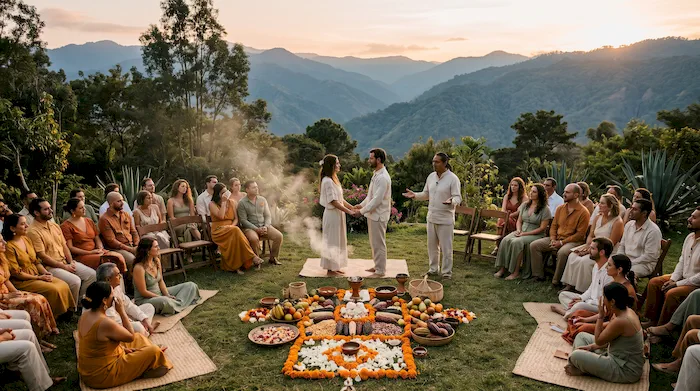
It offers intimacy, freedom in the script, and a moment guests remember for being different. In a Maya-inspired union ritual, for example, the couple is presented before the four elements, earth, water, fire, and air, and no papers are signed. The same source explains that these rituals take place in nature and that the promise is sealed with an exchange of rings.
It does not replace a civil marriage. In Mexico, the official marriage certificate is obtained before a judge at the Civil Registry, which is why many couples schedule the legal part separately. Some wedding packages from Princess Hotels & Resorts already work this way: they include a symbolic ceremony with a symbolic certificate and, as a separate add-on, a legal ceremony performed by a judge.
It is also not the same as a religious wedding with ecclesiastical standing, which follows its own rules and requirements. Couples torn between the two formats can review the difference between a symbolic vs. civil wedding before setting dates.
Order matters more than speed. This timeline starts from the wedding date and works backward, so each decision arrives while there are still options available.
In Mexico there is no formal requirement to officiate symbolic ceremonies, so experience, vocal command, and the ability to write a good script matter more than any title. According to the officiant rates in Mexico published by Cronoshare, a symbolic officiant ranges from about 4,000 pesos for simple options to 18,000 pesos or more for highly personalized professionals, and in Mexico City it usually falls between 5,999 and 12,500 pesos. These are reference figures, not fixed rates.
Couples looking at how to organize a spiritual ceremony without improvising can compare three paths, each with different advantages.
| Option | Main advantage | What to watch for |
|---|---|---|
| Professional symbolic ceremony officiant | A tailored script, command of timing, and presence in front of an audience. | Ask for examples of past ceremonies and a written quote that includes duration and travel. |
| Ceremony guide or traditional ritual specialist | Brings cultural symbolism and knowledge of elements like copal, the altar, and ritual music. | Confirm the origin of the ritual and make sure it is explained respectfully during the ceremony. |
| Friend or family member | Emotional closeness and minimal cost. | Needs a written script, a rehearsal, and a support person to keep track of timing. |
How long their typical ceremony lasts, how they adapt the script when the couple has different beliefs, and what they need from the venue in terms of audio, space, and permits will help you decide. A good officiant answers with concrete examples rather than generalities, and sends a proposed structure before the couple commits.
An outdoor spiritual ceremony works best when it is short and has a clear rhythm. This structure is a starting point and can be adjusted for each couple.
| Moment | Duration | What happens |
|---|---|---|
| Welcome and opening | 5 min | The officiant welcomes everyone, explains the meaning of the ritual, and asks for attention with soft music. |
| Purification or opening ritual | 5 min | Copal, incense, water, or an intention spoken aloud, depending on the chosen tradition. |
| Presentation of the elements | 8 min | Earth, water, fire, and air are invoked, or the symbols the couple has defined. |
| Readings and messages | 7 min | Two close friends or relatives read a text or share a few words. |
| Vows and rings | 10 min | Personal vows and an exchange of rings or an equivalent gesture. |
| Closing and blessing | 5 min | A final phrase, music, and an exit through the guests. |
In Maya-inspired rituals, the altar usually receives corn and cacao grains, regional flowers, fruit, and petals, while copal and incense are used to cleanse the space and wind and percussion music reinforces the ritual feel. If the couple borrows elements from a specific tradition, the officiant should explain them during the ceremony, with respect for their origin, so the audience understands what they are witnessing.
One-minute vows, written separately and read without interruption, have more impact than a long speech. Live string music or soft percussion helps mark the transitions, and if you use a recorded playlist, the audio should be tested with the officiant before the full rehearsal.
For those picturing this ritual among mountains and gardens, getting to know the private chapel at Gran Malinalco helps you visualize the altar, the guests' walkway, and the afternoon light before finalizing the script.
When deciding how to organize a spiritual ceremony, the location weighs as much as the officiant. This type of ritual asks three things of a space: visible nature, privacy, and the freedom to set up an altar without rushing. In the State of Mexico, Malinalco offers those conditions with a mountain setting and a Mexica ceremonial heritage that gives the ritual context.
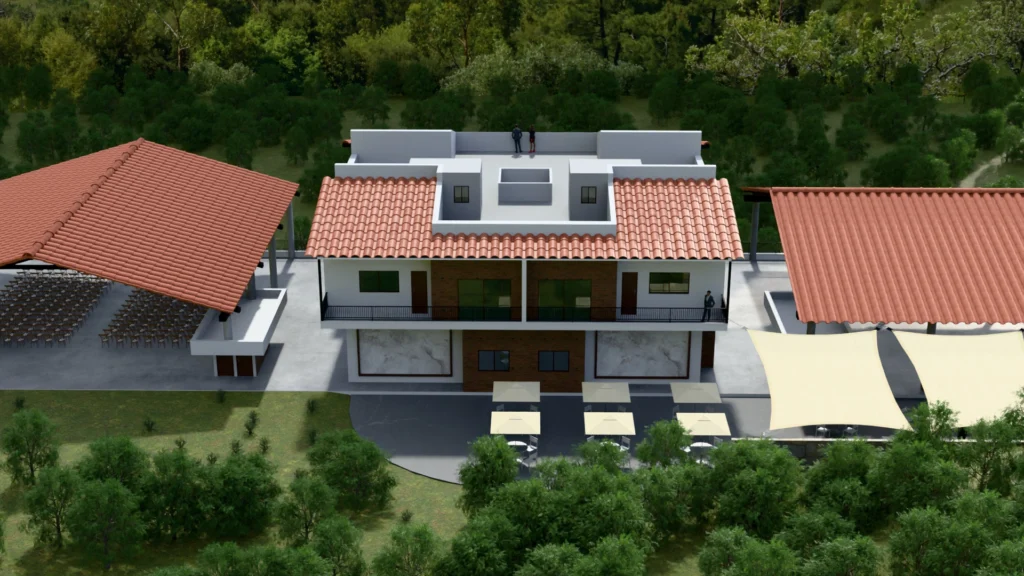
When a venue is rented for exclusive use, the couple controls the schedule, the music, and the flow of guests without sharing the space with other events. That is the case at Gran Malinalco, a 9-hectare property with a private chapel, an event hall, and lodging for more than 200 guests, about 90 minutes from Mexico City. For a spiritual ceremony, that continuity allows the rehearsal, setup, and celebration to happen in the same place, with no transfers.
June through October is rainy season in central Mexico, and the midday sun can be intense. Scheduling the ritual toward the end of the afternoon and having a covered space as a backup avoids last-minute improvising. At a venue with an event hall, that backup can be handled on the same grounds, as long as the setup is planned from the start.
Costs vary by city, duration, and level of personalization, so it is best to request a written quote from each vendor. The items that weigh the most in a spiritual ceremony are the officiant, the altar and its elements, the music, and the audio. A cushion of about 10% of the ceremony budget for surprises, such as extra chairs, shade, or a generator, avoids last-minute decisions.
If the couple adds the legal part, a civil ceremony at the registry in Mexico City can cost between 1,500 and 9,000 pesos, according to the same Cronoshare reference. That figure helps you decide whether it makes sense to handle the civil process on a separate date.
Mariana and Esteban, a fictional couple, plan to marry on Saturday, November 6, 2027, with 120 guests. They choose their officiant in January 2027, reserve the space in March, write the script in May, and hold the full rehearsal one week before the date. Their spiritual ceremony lasts 40 minutes, starts at 5:00 p.m., and ends before the light fades. They allow about 20 minutes for all 120 guests to arrive and be seated, and they schedule the civil signing for an earlier date at the Civil Registry, so the ceremony in Malinalco is purely ritual and celebration.
Six to eight months is a comfortable window to choose an officiant, reserve the space, and write the script. If the date is closer, some steps can be compressed, but it is best to lock in the officiant and the location first, since they require the most scheduling.
No. In Mexico, a legally valid marriage is performed before a judge at the Civil Registry, and a spiritual ceremony is a symbolic ritual. Many couples complete the civil process first and save the ritual for the day of the celebration.
According to a Cronoshare reference, a symbolic officiant in Mexico City costs between 5,999 and 12,500 pesos, and can go higher for top-tier professionals. The price varies with duration, personalization, and date, so it is best to request a written quote.
Yes, and it is one of the most popular formats for destination weddings. The key is to confirm the space, schedule, audio, and rules about fire or incense with the venue, and to have a rainy day backup plan. Malinalco, about 90 minutes from Mexico City, makes it possible in a mountain setting.
A well-planned spiritual ceremony shows in what does not happen: there are no awkward silences, the officiant's voice is not lost, and no one cuts short the most important moment for lack of time. What does happen is that the couple and their guests live a meaningful instant, built from a few well-made decisions.
For those who picture that moment surrounded by mountains, a visit to the venue answers more questions than any checklist. Gran Malinalco welcomes couples to walk its 9 hectares, the private chapel, and the gardens, and to talk about how to adapt the ritual to the space. Those who already know how to organize a spiritual ceremony their own way can write to the team and schedule a visit before finalizing the script.
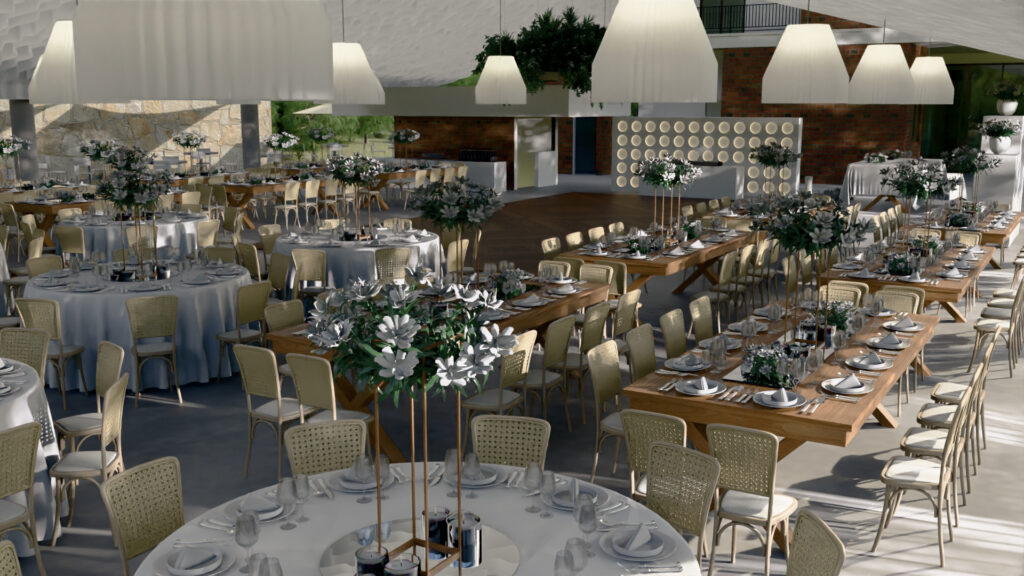
With accommodations for over 200 guests, a chapel, an event hall, and a private estate nestled in the natural surroundings of Malinalco.