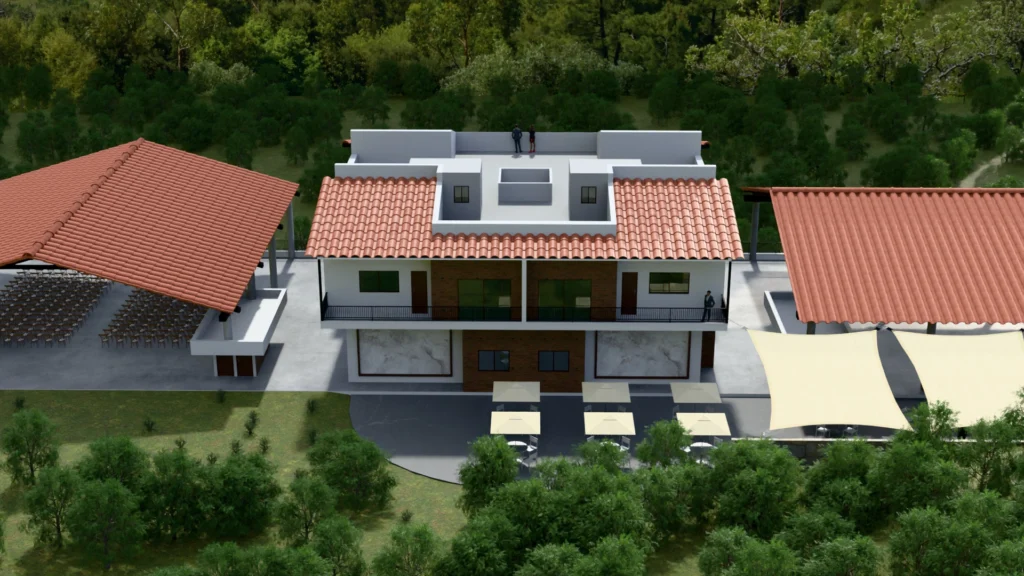
Wedding drinks in Mexico go a long way toward deciding whether a celebration is remembered as generous or improvised. Couples planning their wedding face a double decision: what to serve so every guest finds something they enjoy, and how much to buy so nothing runs out before the last dance. The short answer is that a well-stocked wedding needs a welcome toast, a bar with Mexican spirits such as tequila and mezcal, beer, wine or sparkling wine for dinner, soft drinks, water, and at least one nonalcoholic option with a personality of its own.
As a reference, an event drink calculator suggests a baseline of 0.6 liters (about 20 ounces) of liquid per person per hour in mild weather, counting both alcoholic and nonalcoholic drinks. From that starting point, the guest count, the schedule, the weather and the profile of the group adjust the purchase. This guide covers the essential drinks, reference quantities and the most common mistakes when setting up the bar.
A complete drink menu does not depend on having many options, but on covering every moment of the celebration. These six categories cover the reception, dinner and dancing without leaving any guest without something to drink.
The first wedding drinks are served before the ceremony or right after it ends. Sparkling wine, a glass of white wine or a very cold agua fresca welcomes guests as they arrive and settle in. A bottle of champagne yields 7 to 8 glasses, so the math is simple: one glass per guest for the welcome and another for the couple's toast during dinner.
At a wedding in Mexico, tequila is almost part of the protocol. It pays to check the label, because there are two categories: 100% agave tequila, made only with sugars from the blue agave, and regular tequila, which can include up to 49% sugars from sources other than agave, as this overview of tequila's denomination of origin explains. For the bar, a blanco or reposado made with 100% agave works for both highballs and cocktails, while an añejo appeals to guests who prefer to sip it neat.
Mezcal adds regional identity and shines when served with orange slices and sal de gusano, the traditional worm salt. Vodka, rum and whiskey round out the offering because they mix easily. As a standard measure, each serving of spirits is calculated at 1.5 ounces (45 ml).
Beer is the most constant drink at the party, especially during the reception and the dancing. A common reference suggests a heavy drinker can go through four during the event, so it is best to buy generously and keep it ice cold.
Wine accompanies dinner. One event calculator estimates 0.161 bottles per wine-drinking guest per hour. With 100 guests, 80 of them wine drinkers, and a six-hour party, the result is around 78 bottles, a number that surprises many couples the first time they run it.
Spirits are not served on their own. Cola and lemon-lime sodas, sparkling water, orange juice and fresh limes are the basic mixers, and a practical rule is to plan two cans of soda per guest. Ice deserves its own line: the ice that chills the bottles should not be the same ice that goes in the glasses, so it is best to hire or buy both separately.
Water should be available throughout the event, calculated at half a liter (about 17 ounces) per person. Nonalcoholic drinks with a personality of their own, such as agua de jamaica (hibiscus tea), horchata, cucumber limeade or a red berry mocktail, keep guests who don't drink from feeling left out. Designated drivers, expectant mothers, kids and older adults all appreciate an option that looks as carefully made as the rest of the bar.
Toward the early morning hours, a café de olla (Mexican spiced coffee) or a cup of hot chocolate is a warm welcome for guests still on the dance floor. In destinations with warm days and cooler nights, like the valleys of the State of Mexico, this station becomes a much talked about detail.
The most common mistake is calculating each drink separately. Someone who adds up the beer calculator, the wine calculator and the spirits calculator for 50 guests ends up buying for 150. The safest method is to set a total per person first and then divide it among the categories, adjusting for the profile of your guests. The following table summarizes the most commonly used references.
| Drink | When | Reference amount |
|---|---|---|
| Sparkling wine | Reception and toast | 1 glass per guest; one bottle yields 7 to 8 glasses |
| Spirits (tequila, mezcal, whiskey) | Bar after dinner | 1.5 oz (45 ml) per serving; 2 servings per person over 4 hours |
| Beer | Reception and dancing | Up to 4 per guest for heavy drinkers |
| Wine | Dinner | 0.161 bottles per drinker per hour |
| Sodas and mixers | Entire event | 2 cans per guest |
| Water | Entire event | 0.5 liters (about 17 oz) per person |
The amount of spirits changes with the length of the event. For parties of six hours or more, multiply by 1.25, and for those of two hours or less, reduce it by a factor of 0.8. Weather matters too: a hot daytime reception raises the consumption of water, beer and cold drinks, while an evening wedding tilts the balance toward spirits and coffee.
To settle the party schedule before finalizing the purchase, getting to know a wedding venue near Mexico City helps you see how the cocktail hour, dinner and dancing are spread across the different spaces.
An open bar offers unlimited drinks during the agreed time and makes guests feel taken care of without having to think about the cost. Its main challenge is the budget, because actual consumption depends on the group. It works best when the vendor offers a price per person and it is clearly defined which brands and which hours are included.
A limited bar selects three or four spirits, beer, wine and a couple of house creations. Signature cocktails let you buy in volume and reinforce the identity of the wedding: a tamarind margarita, a cucumber paloma or a drink whose color matches the decor palette. With less variety, the purchase is more concentrated and waste goes down.
To see how these references translate into a real purchase, this sample calculation takes a wedding with 150 guests and a six-hour party, with a garden reception, dinner in a hall and a bar open into the night. These are reference figures to help organize your planning, not a quote.
For the toast, 150 glasses equal about 20 bottles of sparkling wine. Water, at half a liter per person, adds up to 75 liters (about 20 gallons). Sodas, at two cans per guest, come to 300 cans. For spirits, two 1.5 oz (45 ml) servings per person over four hours give 13.5 liters, and with the 1.25 factor for a six-hour party the total comes to around 17 liters, or about 23 bottles of 750 ml. With an exclusive-use venue like Gran Malinalco, which offers 9 hectares (about 22 acres) and lodging for more than 200 guests, spreading service across the gardens, the event hall and the dance floor lets you stagger the bar, and no one needs to drive home that same night.
An orderly sequence prevents last-minute purchases and makes the conversation with your drink vendor easier. These six steps work as a checklist.
Couples who celebrate in Malinalco, about 90 minutes from Mexico City, usually welcome guests who arrive as a group and stay the night. That rhythm changes the logic of wedding drinks: the welcome cocktail hour can run longer, dinner is enjoyed without rushing, and the bar keeps going late with the peace of mind of having lodging on the same property. A garden, a private chapel and exclusive use also make it possible to place drink stations in different spots, so guests can move around without forming lines.
As a baseline, an event calculator suggests 0.6 liters (about 20 ounces) of liquid per person per hour in mild weather, counting both alcoholic and nonalcoholic drinks. For a four-hour event with an average crowd, plan on two 1.5 oz (45 ml) servings of spirits per person. Then adjust for the schedule, the weather and the profile of your guests.
Tequila is the most expected drink, preferably 100% agave, and mezcal brings regional character. Aguas frescas, such as jamaica (hibiscus), horchata or lime with chia, are the most natural nonalcoholic choice. A paloma, a margarita or a signature cocktail made with Mexican ingredients rounds out a menu with an identity of its own.
Still and sparkling water, aguas frescas, limeades and mocktails cover most cases. It is a good idea to serve them in the same glassware as the rest of the bar so they don't look like a second-rate option. For the early morning hours, café de olla and hot chocolate work very well.
It depends on the budget and the profile of your guests. An open bar brings convenience and a more generous experience, while a limited bar with signature cocktails concentrates the purchase and reduces waste. At weddings with lodging on the same property, an open bar usually works well because no one has to drive that night.
Wedding drinks are best handled when you think in moments rather than lists: a toast that welcomes, Mexican spirits that give identity, wine for dinner, mixers and water in sufficient quantity, nonalcoholic options that are well presented and a coffee to close. With a total per person as a base and a couple of adjustments for schedule and weather, the purchase stops being a gamble.
For those who want to see how a celebration feels with gardens, a private chapel and lodging all in one place, you can get to know Gran Malinalco and request information to start planning your date.
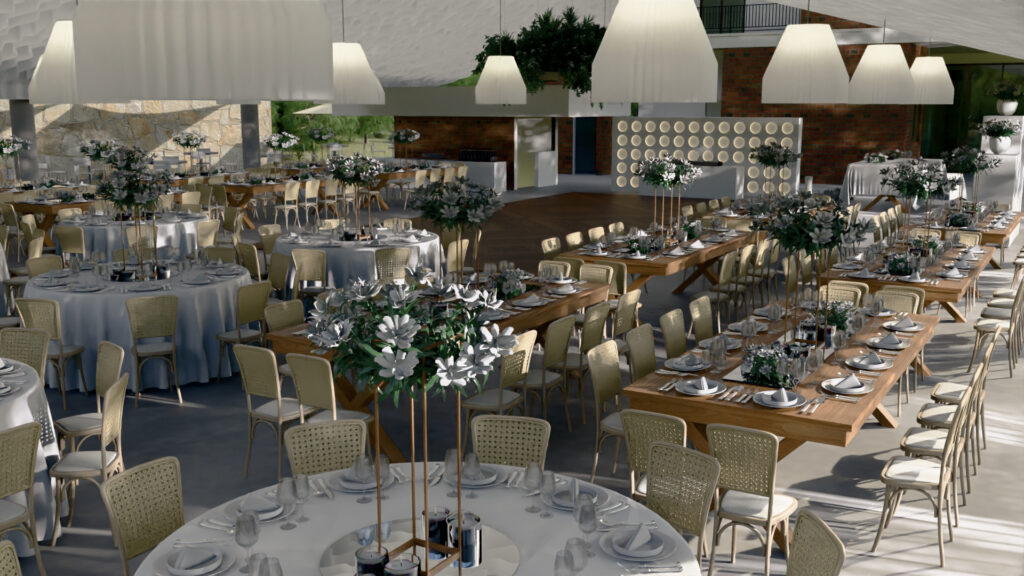
With accommodations for over 200 guests, a chapel, an event hall, and a private estate nestled in the natural surroundings of Malinalco.