The paperwork for a Catholic wedding in Mexico should start six to twelve months before the date, and no less than three months in the simplest scenario. The exact timeline depends on three factors: whether both partners already have their baptism, communion, and confirmation sacraments, whether they belong to the same parish, and whether the ceremony will take place somewhere other than a home parish, like a chapel inside a venue. The sooner the file is opened with the parish, the more room there is to handle surprises without putting the date at risk.
Unlike a civil marriage, which in Mexico can often be arranged in a matter of weeks if a date is open, the religious process involves church documentation, pre-marriage classes, and in some cases special permission from the diocese. Understanding the right order for each step helps couples avoid delays that, during peak season, can cost them their preferred date or parish.
In This Guide
Not every couple starts from the same point. Those who have already received all three sacraments and belong to the same parish can usually complete their file in just a few months. Those who still need to complete confirmation, request baptism certificates from another city, or ask permission to marry outside their home parish should plan for considerably more time. The table below outlines the recommended timelines based on the couple's situation.
| Couple's situation | Recommended timeline | Main reason |
|---|---|---|
| Both baptized, with communion and confirmation, same parish | 3 to 4 months ahead | Only need to gather certificates, attend classes, and set a date |
| One partner still needs confirmation | 6 to 8 months ahead | The confirmation course takes several weeks and needs the pastor's approval |
| Different home parishes, or marrying outside their parish | 8 to 10 months ahead | Requires a transfer letter and approval from the relevant diocese |
| Ceremony at a venue with a private chapel, outside the parish church | 9 to 12 months ahead | Requires special permission, schedule coordination with the priest, and an early venue booking |
| One partner isn't baptized or belongs to another faith | 10 to 12 months ahead | Requires a special dispensation that the diocese can take a while to resolve |
This last scenario comes up more often than couples expect when they're planning to marry in a destination like Malinalco, State of Mexico, where the appeal of a religious ceremony in a private chapel surrounded by gardens usually comes with the need to request approval further in advance than a wedding at a home parish would require.
While each diocese may ask for small variations, there is a common set of documents that nearly every parish in Mexico requires before opening a marriage file. Gathering these early helps couples avoid last-minute trips back to a hometown or to the parish where one of them was baptized.
Exact requirements vary by diocese, so it's worth checking directly with the chosen parish for their complete list of requirements before gathering paperwork, so nothing is submitted incomplete or expired.
Most parishes in Mexico require couples to complete pre-marriage classes before locking in a final date. These sessions are usually taught in a group setting over several weeks and cover topics such as communication as a couple, the sacrament of marriage, and family planning from the Church's perspective. Some dioceses offer an intensive weekend course, but availability depends on the season and these sessions tend to fill up months in advance.
It's worth signing up for the course as soon as there's a tentative wedding date, even before booking the venue, since proof of completion is one of the documents the parish will require to approve the ceremony. Leaving this step for last is, along with expired certificates, the most common cause of delays in the paperwork.
While the parish paperwork moves forward, many couples take the opportunity to visit the private chapel at Gran Malinalco, where they can confirm date availability and see firsthand the space where the ceremony will take place once it's approved by the diocese.
In Mexico, the only legally binding marriage is the civil one, performed before a Civil Registry judge. The Catholic Church recognizes this and requires the civil marriage certificate before approving the religious ceremony, even though both can take place on the same day. That's why it's best to handle the civil part first, or at least have it scheduled, before requesting a date with the parish.
Many couples choose to hold the civil ceremony as a short morning event, at the same location where the religious wedding and reception will take place later that day, which simplifies logistics for guests traveling in from other cities.
To fully understand how the two ceremonies work together, it helps to look at the differences between a symbolic wedding and a civil wedding, a decision couples often make alongside their religious paperwork planning.
For couples where one partner is a foreign national, the civil process adds a few extra immigration verification steps, so it's worth reviewing Mexico's civil marriage requirements for foreign fiancés well ahead of time, so that part of the process doesn't get left until the end.
When a couple decides to marry away from their home parish, at a venue with its own chapel, the process requires one extra step: permission from the home parish priest allowing the officiating priest to perform the ceremony at another consecrated or authorized site. That permission, combined with coordinating schedules between the priest and the venue itself, is why this scenario needs more lead time than a wedding held at a home parish church.
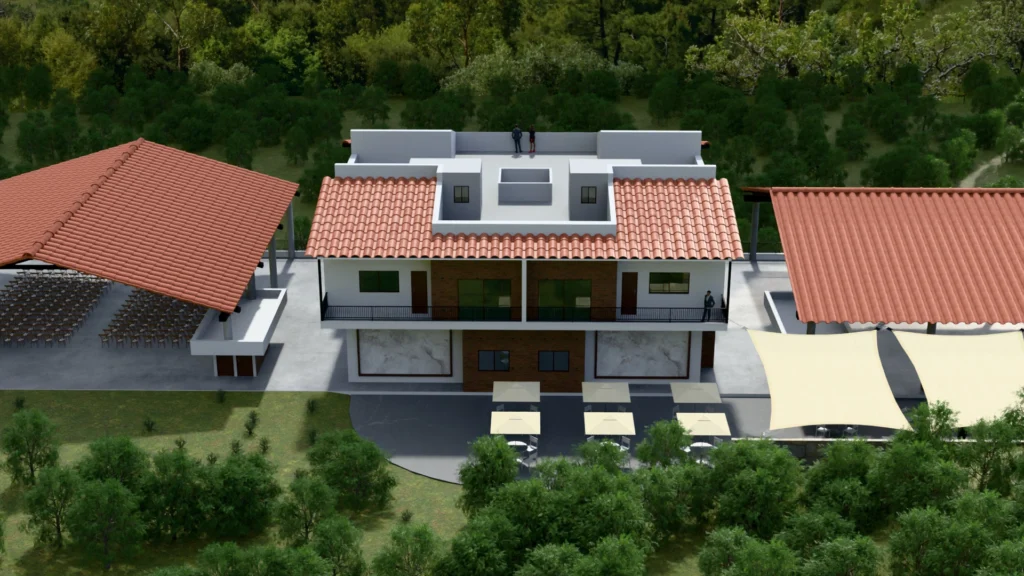
Gran Malinalco, located 90 minutes from Mexico City, has a private chapel set within nine hectares of gardens, designed specifically for couples who want to hold both the religious and civil ceremony without leaving the same space where the reception will take place afterward. Because the venue is booked for exclusive use, the couple never has to share the date with another event, which makes it easier to coordinate the schedule the home parish typically asks for when granting permission.
Beyond the ceremony space itself, having on-site lodging simplifies logistics for family and sponsors traveling in from Mexico City or the State of Mexico, especially when the religious and civil ceremonies happen the same weekend.
It's best to start six to twelve months before the wedding date. The exact timeline depends on whether both partners already have all their sacraments, whether they belong to the same parish, and whether the ceremony will happen somewhere other than a home parish, such as a private chapel inside a venue.
No. The Catholic Church in Mexico requires the civil marriage certificate before approving the religious ceremony. Both can take place on the same day, as long as the civil part happens first, even if it's only a few minutes earlier.
You'll need a transfer letter or permission from your home parish priest, which authorizes the officiating priest to hold the ceremony at another consecrated or approved site. This step usually takes longer than a wedding at a home parish, so it's worth requesting it at least nine months in advance when the chosen venue is in the State of Mexico or another destination outside the city.
The length varies by parish and diocese, but it typically runs four to eight weeks in the regular format, or a full weekend in the intensive format, subject to availability. It's worth signing up as soon as there's a tentative wedding date.
Planning the paperwork for a Catholic wedding well in advance doesn't just prevent administrative headaches, it also gives couples the breathing room to decide, unhurried, where and how they want to celebrate. Gathering documents, completing the classes, and handling the civil marriage first are steps that, done early, leave plenty of room to enjoy the rest of the planning.
If the plan is to hold the religious ceremony and the reception in the same place, without sharing the date with any other event, now is a good time to check availability for the private chapel at Gran Malinalco inside this wedding venue in Mexico.
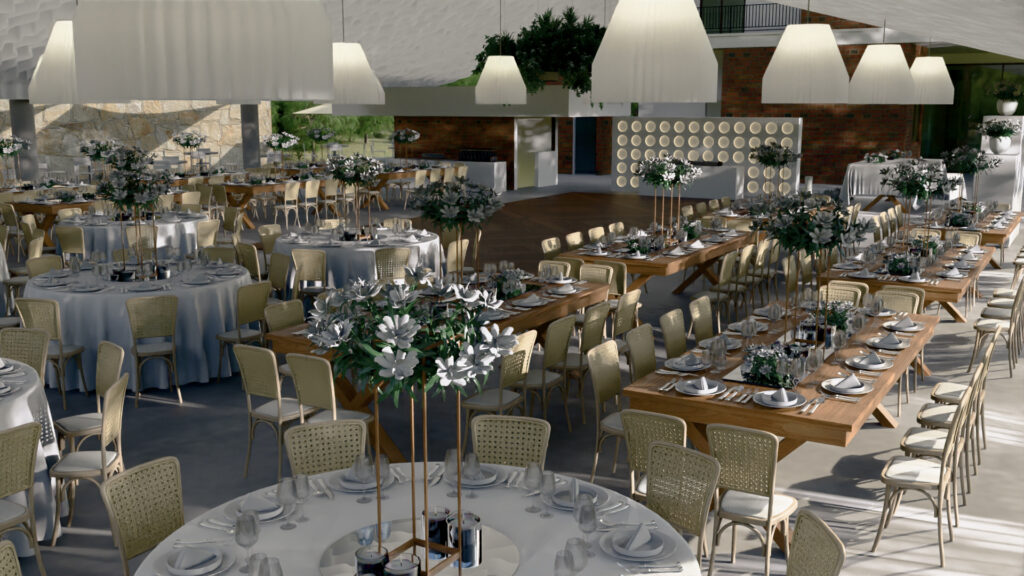
With accommodations for over 200 guests, a chapel, an event hall, and a private estate nestled in the natural surroundings of Malinalco.