Choosing the right type of wedding venue is one of the first and most important decisions a couple will make when they start planning. Before settling on the menu, the décor, or the guest list, there's a fundamental question that shapes everything else: where will the wedding actually take place? An indoor banquet hall, an open-air garden, and a covered outdoor venue each offer completely different experiences, with real implications for the budget, logistics, and overall feel of the event.
In Mexico, where the climate varies significantly by region and season, this decision carries extra weight. Couples planning a wedding in the State of Mexico, for example, need to factor in that summer rains can turn an unprotected garden into a logistical nightmare. Understanding the differences between each type of space, and knowing the right questions to ask before signing a contract, can save a lot of time, money, and stress.
This guide takes an objective look at the advantages and limitations of each venue type so that couples can make their decision with clear, practical information.
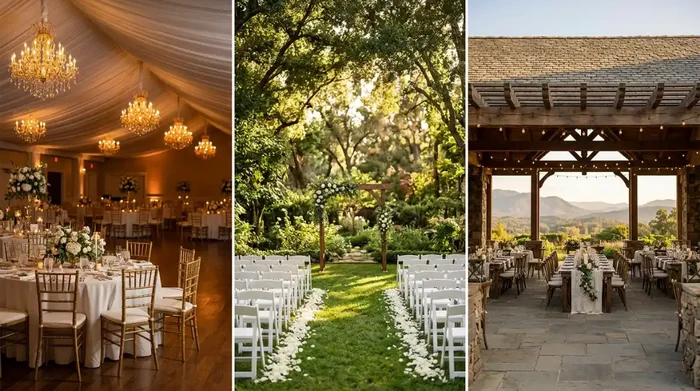
The traditional banquet hall remains the most popular choice for weddings in Mexico, and there are solid reasons for that. The biggest one is predictability: temperature, lighting, and sound are all under control no matter what's happening outside.
A well-equipped indoor venue is still the safest bet for formal weddings with large guest lists, particularly during rainy season or in regions with unpredictable weather.
Garden weddings have an immediate visual appeal: natural light, lush greenery, and an open sky. For many couples, this type of wedding venue represents the most romantic version of a celebration. That said, the beauty of a garden comes with variables that require very careful planning.
A covered wedding venue, whether it's a permanent pergola-style structure, an open-walled hall, or a space with a retractable roof, has gained a lot of popularity in recent years because it solves the core tension between aesthetics and functionality. It lets you enjoy the natural surroundings without being fully at the mercy of the elements.
The table below summarizes the key differences between all three venue types to help couples figure out which one best fits their vision and circumstances.
| Venue type | Main advantages | Key considerations |
|---|---|---|
| Indoor hall | Full weather control, ideal acoustics, integrated logistics | Less connection to nature, more conventional aesthetic |
| Open-air garden | Natural beauty, open feel, photogenic atmosphere | High weather risk, more complex logistics |
| Covered outdoor venue | Combines weather protection with natural ambiance, visual versatility | Variable acoustics, lower availability in the market |
Before signing any contract, walk the space in person and ask the right questions. This checklist can help you compare options with objective criteria:
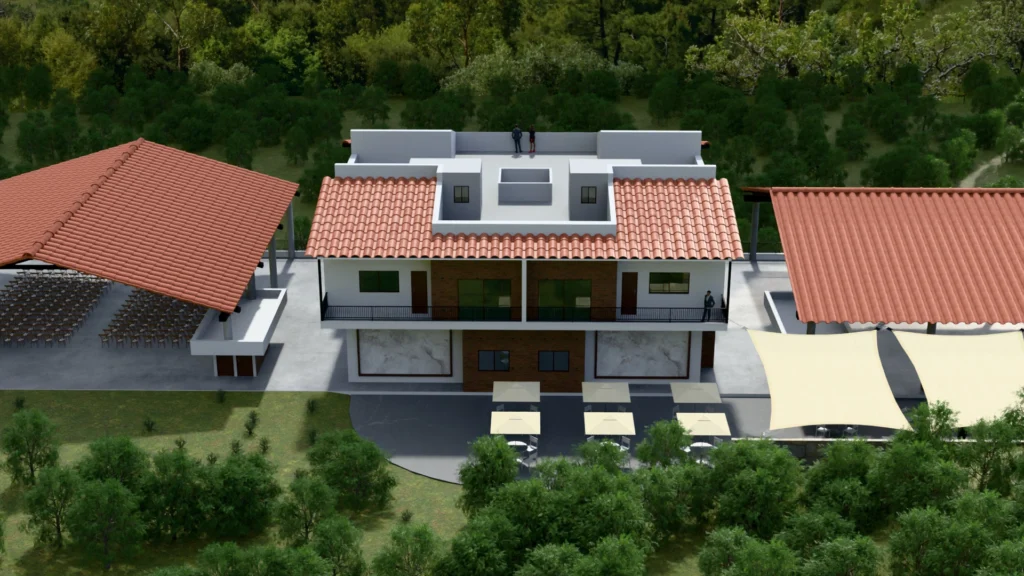
A venue that brings all of these elements together in one place makes planning significantly simpler. Gran Malinalco, in Malinalco, State of Mexico, is a strong example: a private chapel, an event hall, 9 hectares of gardens, and lodging for over 200 guests, all under an exclusive rental model just 90 minutes from Mexico City.
Mexico's rainy season runs from May through October across most of the central and southern regions. During those months, a covered outdoor venue or an indoor hall with garden access manages the weather risk without giving up on aesthetics. Outside of that window, an open-air garden in areas like the State of Mexico or Morelos can offer ideal conditions. The smartest move is always to ask the venue what their contingency plan looks like for rain or unexpected temperature changes.
At an exclusive rental venue, no other event takes place on the same day. That means the couple and their guests have full access to all the facilities: parking, staff, kitchen, gardens, and common areas. At a shared venue, there can be overlapping schedules, noise restrictions to avoid interfering with another event, and a staff team divided between two celebrations. For weddings between 100 and 300 guests, the difference in experience is very real.
Yes, especially when a good portion of the guests are coming from out of town, or when the celebration is going to run late into the night. On-site lodging eliminates the need to arrange late-night transportation, reduces the risk of accidents on the road, and gives the celebration a more intimate dimension the morning after, with a breakfast for the newlyweds and close family. Venues like Gran Malinalco, which include accommodations on the property, offer a value proposition that goes well beyond the event itself.
For exclusive venues within two hours of Mexico City, booking at least 12 to 18 months out is strongly recommended, especially for peak-season dates: spring (March through May) and fall (September through November). Long holiday weekends tend to book out first. Locking in the date early not only secures the space but also gives you more leverage when negotiating with outside vendors.
The choice between an indoor hall, an open-air garden, or a covered outdoor wedding venue comes down to concrete factors: the local climate, the number of guests, the available budget, and the atmosphere the couple wants to create. There's no universally right answer, but there is a right answer for every wedding.
For couples looking for an experience that combines nature, privacy, and the confidence of full infrastructure, Gran Malinalco is a solid option. With 9 hectares, a private chapel, an event hall, gardens, and lodging included, all under an exclusive rental model 90 minutes from Mexico City, it's a space designed so that couples never have to choose between beauty and peace of mind.
Schedule a visit and see the venueYou might also like
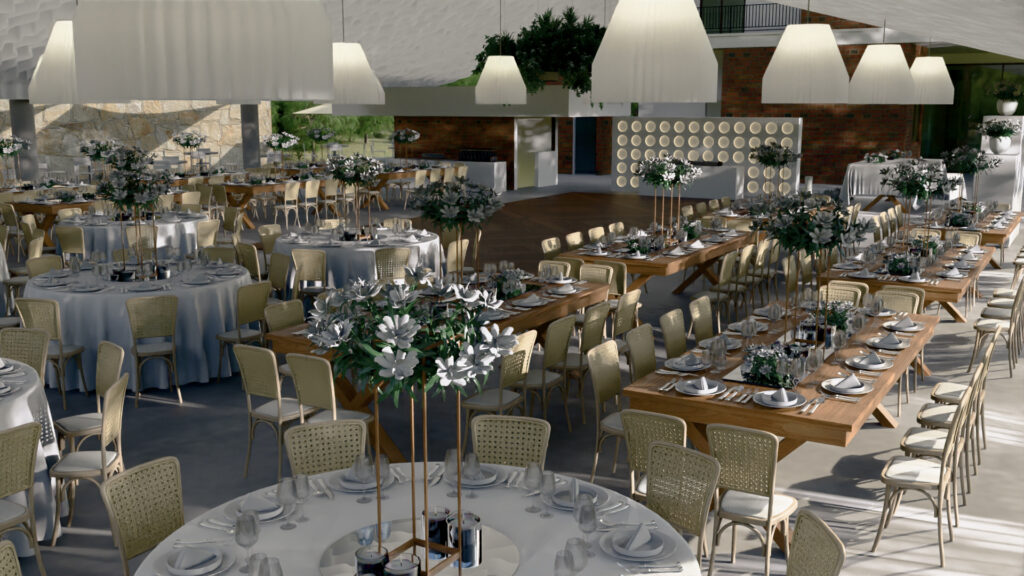
With accommodations for over 200 guests, a chapel, an event hall, and a private estate nestled in the natural surroundings of Malinalco.