Choosing the right wedding photographer is probably the decision that will carry the most weight long after the last song has played. Flowers fade, cake disappears, and the music goes quiet, but the photos and video from that day can last for decades as the most vivid record of what it actually felt like. And yet, many couples leave this until the end of the planning process, by which point the best photographers are already booked solid.
The wedding photography and videography market in Mexico has grown significantly in recent years, with styles ranging from photojournalistic documentary to cinematic art-house film. That variety is a plus, but it can also be overwhelming: documentary or editorial? One photographer or a full team? Book both services through the same studio? This guide answers those questions with practical, concrete criteria so you can make confident decisions and walk into your wedding day knowing every moment will be captured beautifully.
The most common mistake couples make is searching for a photographer based on price or availability before they know what style of images they actually want. There are at least four major approaches in contemporary wedding photography, and each produces very different results:
Before scheduling a single meeting, look through complete wedding galleries, not just a photographer's greatest hits. Reviewing a full gallery lets you evaluate consistency across all conditions: inside a church, in low light at night, during emotional moments, not just the golden-hour sunset portraits.
This decision has one of the biggest impacts on both your budget and the experience on the day itself. Here's a practical breakdown:
| Factor | Photographer | Videographer | Book Both? |
|---|---|---|---|
| What you get | Still images, album | Cinematic film | Yes, they complement each other |
| Avg. investment (MXN) | $18,000 – $60,000 | $20,000 – $70,000 | Packages from $35,000 |
| Typical deliverables | 300–800 edited photos | 5–15 min film | Gallery, film, and same-day edit |
| Turnaround time | 4 to 8 weeks | 8 to 16 weeks | Varies by studio |
| Venue scouting | Highly recommended | Essential | Joint site visit recommended |
Booking a single studio for both photo and video has clear advantages: better team coordination, smoother communication, and often more competitive package pricing. That said, if you have very different visions for each service, it can be worth hiring specialists who each excel at exactly what you're looking for.
Meeting with a photographer isn't just about reviewing their portfolio. It's your chance to assess the personal connection and nail down every operational detail. These questions are non-negotiable:
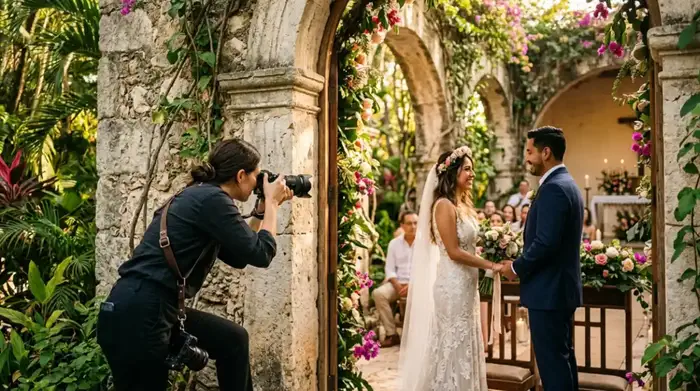
Your photographer and videographer will be present for the most intimate moments of the day: while you're getting ready, when someone cries during the ceremony, during your first dance. If there's no genuine connection between you and your photography team, that tension shows up in the final images.
Industry experts consistently recommend scheduling a video call or in-person meeting before signing any contract. Use that time to gauge whether the photographer actually listens, asks relevant questions about you as a couple, and brings ideas to the table, or whether they're just waiting to be told what to do. Great wedding photography isn't a passive service; it's a collaboration.
Couples who get married at venues surrounded by natural landscapes, forests, and mountains, like those that frame Malinalco in the State of Mexico, get so much more out of that setting when their photo and video team arrives with a vision for the space. A photographer who's worked in that kind of environment knows how to use morning mist, dense vegetation, or colonial courtyards as natural frames for their shots.
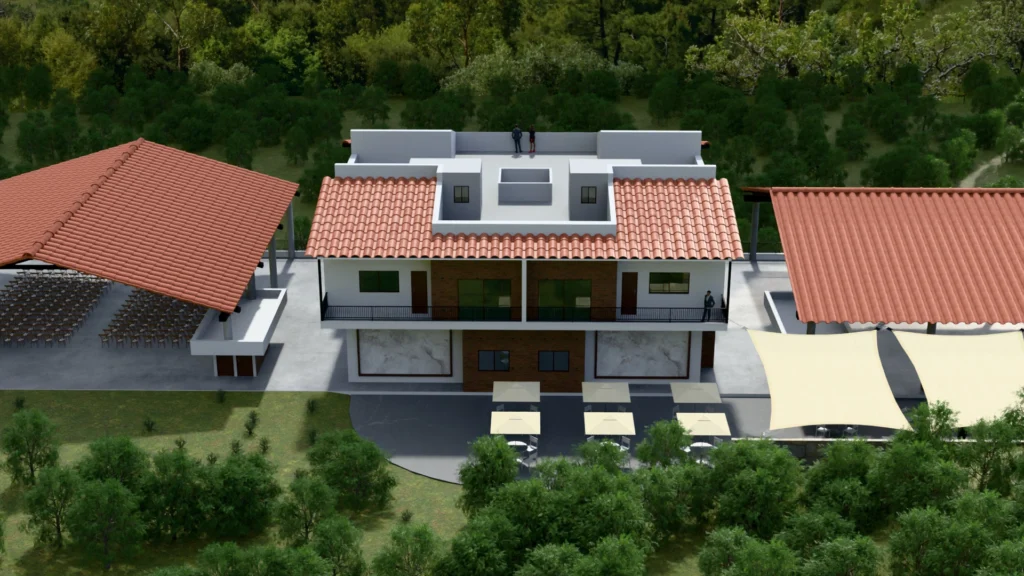
If you already have your venue in mind and want a space with multiple distinct visual settings, take a look at Gran Malinalco's facilities: gardens, a private chapel, an event hall, and forested areas that give you a full range of visual environments in a single property.
In Mexico, photography and video typically represent 10% to 15% of total wedding spending. The temptation to trim this line item is understandable, but it's worth remembering that it's the only investment you make on your wedding day that actually grows in value over time. No other vendor you hire that day will still matter in thirty years.
A few practical strategies for getting the most out of your budget:
Before committing to any photography or video vendor, make sure you have a clear answer to each of these:
The general rule is to lock in your photography and video team 10 to 14 months before the wedding, especially if you're getting married during peak season (October through December, and March through May). The most sought-after photographers in Mexico fill their calendars that far out. Waiting until the last few months doesn't just limit your options; it also means working with vendors who may have never seen your venue and won't have time to prepare properly.
It depends on what the couple is going for. If the aesthetic you want for your photos and the tone you want for your video are similar, booking a single studio simplifies logistics and usually costs less. If you have very different visions for each service, it may be worth hiring specialists separately. Either way, make sure both teams coordinate on the day itself so they're not getting in each other's way during key moments like the ceremony or first dance.
Documentary photography captures moments as they happen, with no posing or direction. The photographer stays in the background, and the results are authentic, emotionally honest images. Editorial photography, on the other hand, involves more direction: deliberate poses, handpicked locations, and a very defined visual aesthetic. Many couples choose a blend of both, documentary coverage during the ceremony and candid moments, and an editorial-style couple's session during golden hour at the end of the afternoon.
The contract should clearly spell out: the minimum number of edited photos and approximate video length, the hours of coverage included and the cost for additional hours, delivery timelines, the file format (full resolution, no watermarks), cancellation terms and deposit refund policy, and who holds the rights to use the images. Any verbal agreement that isn't in the written contract doesn't hold up if something goes wrong.
Helpful resources to keep researching and make smarter decisions as you plan your wedding:
Your photographer and videographer aren't just vendors: they're the people who will turn one irreplaceable day into a memory that lasts for generations. Choosing well means looking past the price tag and the follower count, and focusing on style, experience, personal chemistry, and contractual clarity. The earlier you make this decision in the planning process, the more options you'll have and the more time your team will have to get to know your venue and develop their vision for the day.
If your wedding will take place in a space with real character, with gardens, a chapel, and mountains as the backdrop, the photographic possibilities multiply. Discover Gran Malinalco and see why so many couples choose this estate in the State of Mexico for a wedding that looks, feels, and photographs unlike any other.
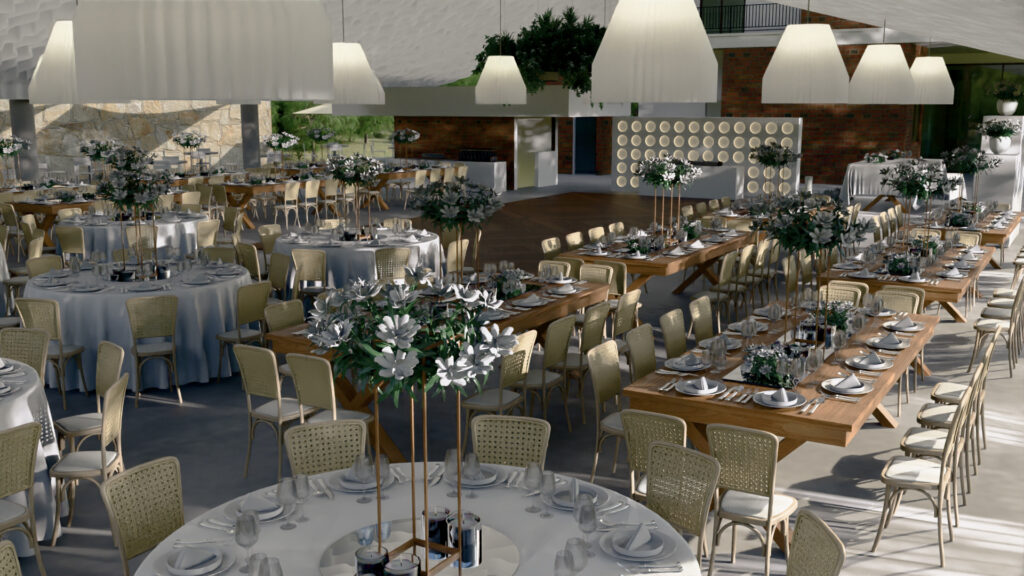
With accommodations for over 200 guests, a chapel, an event hall, and a private estate nestled in the natural surroundings of Malinalco.