The destination wedding versus traditional wedding question comes up almost every time couples sit down to start planning, and the short answer is that it depends on the choices the couple makes, not on the format itself. A destination wedding can end up costing less than a traditional one when the location is chosen well, and a traditional wedding can balloon in price once the guest count grows. What really shifts is where the budget gets spent. In a traditional wedding, most of the budget goes to the venue, catering, and decor for a large group. In a destination wedding, the spending is split between the venue, guest lodging, and travel logistics.
For couples planning a wedding in Mexico, understanding this difference before requesting the first quote helps avoid surprises when the final invoice arrives. This article compares both formats using real 2026 figures, explains which factors push the price up or down, and shows why destinations close to Mexico City, like Malinalco, are changing the conversation around how much it really costs to get married away from home.
A traditional wedding takes place in the couple's home city or their families' city, with a religious or civil ceremony followed by a reception at a nearby venue or garden. Most guests arrive on their own and head home the same day, which lowers spending on travel and lodging but does not necessarily lower the overall budget, since the guest count tends to run higher and every seat filled represents a fixed cost in catering, rentals, and drinks.
A destination wedding takes place somewhere other than the couple's home city, with the goal of turning the date into a full weekend for their closest guests. It is most often linked to beach destinations like Cancun or Los Cabos, but there is also a middle category, short road trip destinations from Mexico City, like Malinalco, Valle de Bravo, or San Miguel de Allende, where couples get the destination wedding experience without the cost of flights or multiple hotel nights for the whole group.
Figures vary by vendor, season, and city, but industry reports for 2026 offer a useful picture for comparing formats and making decisions based on real numbers rather than guesswork.
| Category | Traditional wedding in Mexico City (140 guests) | Beach destination wedding (80 to 100 guests) | Destination wedding near Mexico City, e.g. Malinalco |
|---|---|---|---|
| Estimated total budget | $194,000 to $380,000 MXN | $600,000 to $1,200,000+ MXN | Variable, without the added cost of flights or extra hotel nights |
| Guest transportation | Minimal, most guests arrive on their own | Flights, airport-to-hotel transfers, several days | A single road transfer, 90 minutes from Mexico City |
| Lodging | Not usually included in the couple's budget | Several hotel nights for the couple and guests | Can be handled in a single night within the venue |
| Cost per guest | Approx. $1,386 to $2,700 MXN | Climbs sharply from flights and hotel nights | Stays close to that of a traditional wedding |
For couples who want the feel of a destination wedding without doubling their logistics budget, the Gran Malinalco venue near Mexico City solves several of these points at once, a single road transfer, exclusive-use rental, and space to host guests within the same location as the celebration.
A traditional wedding makes it easier for older guests or those with mobility issues to attend, and it lets couples invite a larger group without asking anyone to travel. In exchange, the budget is concentrated on a single day and a large guest count, leaving little room to cut costs without sacrificing quality in catering or decor.
A destination wedding turns the celebration into a multi-day experience and tends to bring together only the closest circle, which allows couples to invest more per guest across fewer people. The risk lies in underestimating travel and lodging costs, which can double the budget when the chosen destination involves flights, something that does not happen when the destination is just a couple of hours from home.
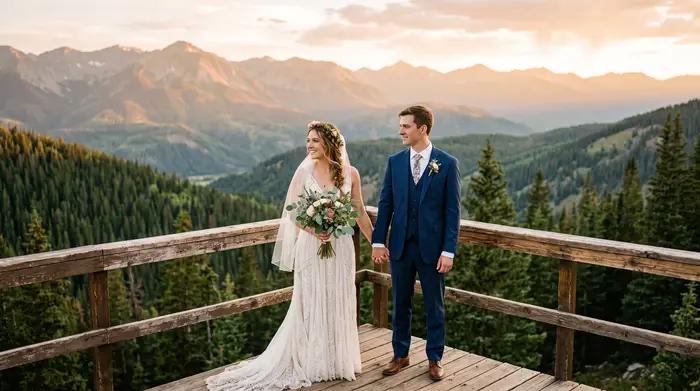
Malinalco, in the State of Mexico, has become an alternative for couples who want the feel of a destination wedding, surrounded by mountains and nature, without asking their guests to book a flight. Gran Malinalco sits on 9 hectares just 90 minutes from Mexico City, with a private chapel, event hall, and lodging for more than 200 guests on the same property, which removes the need to coordinate transportation between the ceremony, reception, and hotel.
The private chapel at Gran Malinalco allows for religious or symbolic ceremonies surrounded by greenery, while the event hall is designed for receptions ranging from intimate gatherings to large group celebrations, without losing the exclusive-use feel couples look for when choosing a destination wedding.
Not necessarily. Cost depends more on distance and guest count than on the format itself. A destination wedding with a small group at a short drive away can cost less than a traditional wedding with 200 guests in the couple's home city.
The main savings come from flights and hotel nights, which at beach destinations tend to make up a large share of guests' total spending. Choosing a destination just 90 minutes away by road reduces that cost to a single transfer, and lodging can be handled in a single night if the venue has its own rooms.
Beyond the venue and catering, couples should budget for transportation for traveling vendors, lodging for the photography or music team if they come from another city, extra activities for guests staying more than one night, and a contingency fund of roughly 10% to 15% of the total budget.
Yes. Malinalco combines mountain scenery, a mild climate, and proximity to Mexico City, giving guests a destination wedding experience without asking them to book a flight. Venues like Gran Malinalco bring together a private chapel, event hall, and lodging on the same property, which simplifies logistics for both the couple and their guests.
The choice between a destination wedding and a traditional wedding should not come down to which format sounds cheaper in the abstract, but to the real guest count, the distance to the chosen location, and whether the venue solves lodging and exclusive-use rental within a single cost. A destination near Mexico City preserves the destination wedding experience without the added cost of flights and extended lodging that couples face when they choose the beach. For couples weighing these numbers against their own budget, the Gran Malinalco team can share availability, packages, and a personalized quote based on guest count and date.
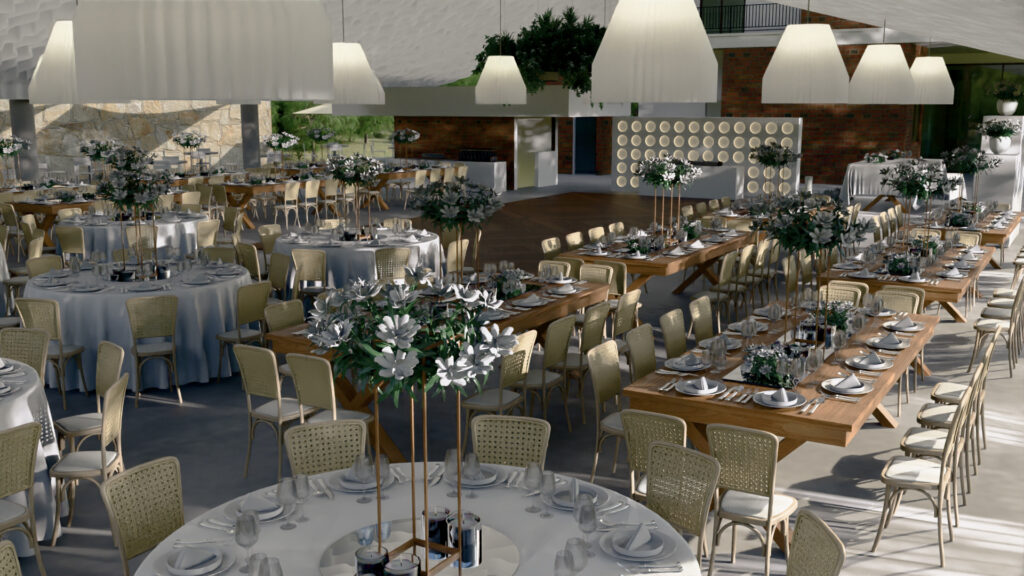
With accommodations for over 200 guests, a chapel, an event hall, and a private estate nestled in the natural surroundings of Malinalco.
Realistic and varied looks for a church wedding, for both women and men