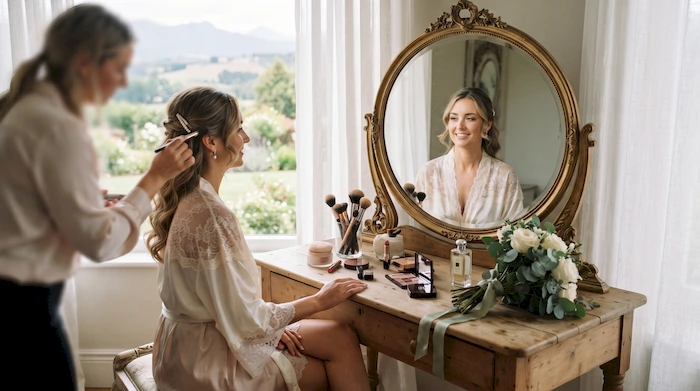
Natural or glam bridal makeup is one of the aesthetic decisions that raises the most questions for people planning a wedding, and the short answer is that neither style is better than the other: it all depends on the dress, the time of the ceremony, and each bride's personality. Choosing between a fresh, luminous face and an intense, polished one is not about a passing trend, but about concrete factors such as the venue's lighting, the type of photography you want, and how many hours the makeup needs to last without touch-ups.
In Mexico, where weddings in gardens, haciendas, and venues surrounded by nature have become a top choice, this decision carries extra weight. Natural light, altitude, and the climate of each region directly affect how makeup holds up throughout the day. This guide explains the real differences between natural and glam makeup, when each one works best, and how to decide without relying only on what you see on social media.
When talking about natural or glam makeup for a wedding, the difference is not only the amount of product applied, but the final effect you want to project. Natural makeup lets the skin breathe and shows your features without looking overdone, while glam builds a more defined face, designed to stand out under artificial lighting or in high-contrast photos.
Natural makeup relies on a light base or even a skin tint, with the goal of letting freckles, your real skin tone, and a texture that looks healthy rather than perfect show through. Brows are brushed up without being overdone, lips are done in shades close to your natural lip color, and the eyes are enhanced with mascara and soft shadows in earthy or rosy tones. This style is especially flattering for brides who marry during the day, outdoors, or in spaces where sunlight will be the star of the photos.
Glam makeup, on the other hand, works with high-coverage foundation, defined contouring, precise eyeliner, and false lashes that open up the eyes from every angle. Lips tend to wear more saturated colors, from red to wine, and the skin is set with long-wear products designed to withstand hours of dancing, hugs, and temperature changes. It is a common choice for evening ceremonies, indoor halls with artificial lighting, or for brides with a bolder personality who want their face to have the same impact as the dress or the decor.
Choosing between natural or glam makeup gets easier when you look at three specific factors: the time of the ceremony, the style of the dress, and the total length of the event.
Midday or afternoon weddings, with plenty of natural light, favor natural makeup because the sun softens any imperfection and highlights what is already well prepared on the skin. At venues surrounded by mountains and gardens, like Gran Malinalco, the light that comes in during the civil or religious ceremony enhances soft tones and keeps makeup from looking flat in photos, something you can see for yourself by visiting this wedding venue near Mexico City. Evening ceremonies, on the other hand, usually call for a bit more definition on the eyes and lips so the face does not get lost under artificial light or candlelight.
A minimalist dress, whether light lace or a flowing drape, pairs best with natural makeup that does not compete with the details of the fabric. Gowns with beading, plunging necklines, or more structured silhouettes usually call for glam makeup that visually matches the strength of the design. The same goes for hair: a loose, textured updo blends naturally with a soft look, while a more structured hairstyle calls for an equally polished face.
Weddings that stretch over many hours, with a reception, dinner, and a party into the early morning, demand makeup that lasts without losing its effect. At venues with lodging for guests, where the celebration can continue the next day with additional activities, as at Gran Malinalco with lodging for more than 200 people, it is worth investing in long-wear products and a technique that holds up over time, no matter whether you end up choosing natural or glam makeup.
The following table sums up the practical differences between both styles so the comparison is easier to visualize when it is time to decide.
| Aspect | Natural Makeup | Glam Makeup |
|---|---|---|
| Finish | Luminous skin, light coverage, your own look | Full-coverage skin, defined contour |
| Application time | About 45 to 60 minutes | About 90 to 120 minutes |
| Best for | Daytime weddings, outdoors, and natural light | Evening weddings, indoor halls, and artificial light |
| Photography | Flatters sunlight and close-up portraits | Flatters flash and low-light shots |
| Touch-ups during the event | Minimal, mainly powder and lipstick | More frequent on lips and the T-zone |
Before deciding on a makeup style, it is worth visiting the venue where the wedding will take place and observing how the light comes in at different times of day, something you can check directly at the event hall at Gran Malinalco to plan your makeup trial with real information about the space.
The latest trends in bridal makeup point to a growing preference for natural finishes and skin care before the wedding, according to several professional makeup artists consulted in specialized media. More and more brides are prioritizing looking like their best selves instead of copying a celebrity look exactly, and are making decisions based on their own personality and the context of the event.
This trend is confirmed in a recent analysis by Vistazo on natural bridal makeup, where specialists point out that the type of wedding, the time of day, and the lighting of the venue are key factors when choosing between lighter makeup or a more defined look. In addition, an editorial guide on skin prep for bridal makeup agrees that a luminous base and a setting product are essential no matter which style you choose, while publications like Marie Claire highlight the rise of nude lipsticks as a meeting point between both styles.
For daytime weddings, natural makeup usually works better because sunlight already adds luminosity to the face, and too much product can look heavy in photos. Even so, some brides choose a middle ground known as soft glam, which keeps a light base but adds a little more definition to the eyes.
Well-applied glam makeup, using long-wear products and setting spray, can last between 8 and 10 hours without major touch-ups. The areas that need the most attention during the event are the lips and the T-zone, especially if the wedding includes dancing or warm weather.
In Mexico, brides who marry at outdoor venues, gardens, or haciendas tend to lean toward natural makeup or soft touches of glam, while weddings in indoor halls and evening ceremonies tend to call for more defined looks. The final decision depends a lot on the region, the climate, and each bride's personal style.
Yes, it is one of the most requested trends right now. So-called soft glam combines a light, luminous base with bolder eyeliner or a subtle false lash, creating a middle ground between both styles without losing the fresh feel of natural makeup.
Deciding between natural or glam makeup should not feel like one more pressure in planning your wedding, but an opportunity to reflect each bride's personality in a moment that will be documented forever. The venue's light, the chosen dress, and the length of the celebration are the most reliable guides for making this decision, above any passing trend.
For those who are still choosing the venue where they will make this and other important decisions, getting to know a space with natural light, gardens, and a private chapel can make the rest of the process easier. Gran Malinalco offers exactly that setting so every detail, including makeup, finds its best version on your wedding day. Contacting Gran Malinalco is the first step to getting to know the venue and starting to plan every detail well in advance.
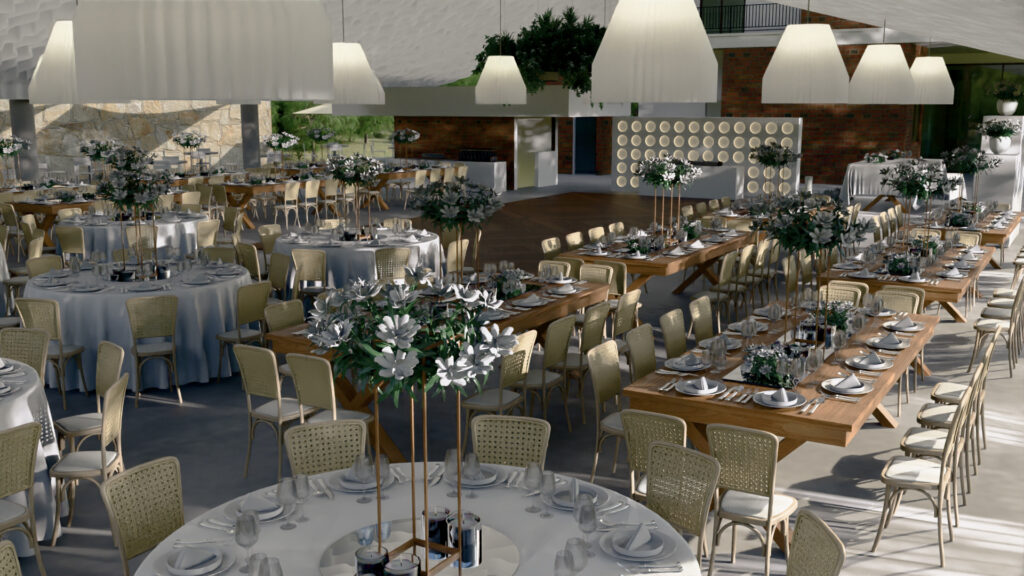
With accommodations for over 200 guests, a chapel, an event hall, and a private estate nestled in the natural surroundings of Malinalco.
Realistic and varied looks for a church wedding, for both women and men.