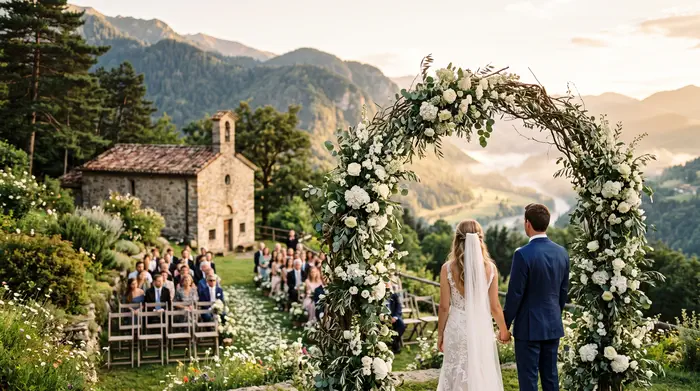
Yes, you can have a Catholic wedding in a mountain setting in Mexico. The key is choosing a chapel or priest who holds the proper ecclesiastical permit before committing to any other vendor. More couples are looking for a Catholic mountain wedding because it combines the symbolic weight of the sacrament with scenery that already tells its own story. The challenge is not finding the prettiest spot, it is finding one that handles the spiritual side and the logistics of the day at the same time.
This guide covers the real requirements for a Catholic ceremony, how to choose the right mountain venue, and the details that separate a pretty wedding from a memorable one, with examples that apply to destinations like Malinalco, State of Mexico, about 90 minutes from Mexico City.
A Catholic ceremony already carries real symbolic weight: vows, scripture readings, a blessing, and a priest who represents continuity with generations before. When that ceremony happens in the mountains, that weight multiplies. The quiet surroundings, natural light coming through a stone chapel, and the absence of city noise create an atmosphere no ballroom decor can fully replicate.
There is a practical reason too. Many couples living in Mexico City want to escape the logistics of an urban wedding without giving up the ability to have most of their guests arrive and leave the same day. Destinations like Valle de Bravo, Tepoztlan, or Malinalco strike that balance, close enough that guests do not need to fly, but far enough to feel like a real destination.
Before booking a chapel, it helps to know exactly what the church requires. The religious process runs parallel to the civil one, but it has its own timeline and does not depend on the venue's calendar.
The couple must attend a marriage preparation course led by the parish or by godparents designated by the church, along with a confession before the wedding. That documentation opens a marriage file that the priest reviews before granting permission to officiate the ceremony at the chosen chapel, even if that chapel does not belong to that parish.
The full process can take anywhere from six months to a year, depending on the diocese and on whether either partner is a foreign national or a widow or widower, which adds extra paperwork. That is why it makes sense to start the church process before locking in any other vendor, it is far easier to move a reception date than to secure a diocese's approval on short notice.
Not every private mountain chapel holds a current permit to officiate Catholic marriages recognized by the corresponding diocese. Before falling in love with the scenery, confirm that point with the venue and with the reference parish.
A private chapel inside a wedding venue offers something the town parish cannot: full exclusivity during the ceremony, with no overlap from other masses or events, and an aesthetic already woven into the rest of the celebration. At Gran Malinalco, the venue's private chapel lets you hold the religious ceremony without moving guests to another part of town, which simplifies the day's logistics considerably. Anyone who wants to see the space can review the details on the Gran Malinalco chapel page.
The mountains bring conditions an urban ballroom does not have: uneven paths, temperatures that drop at night, and longer drives from the city. It helps to share the right dress code for the climate ahead of time, offer shared transportation from Mexico City, and confirm the venue has lodging on site, so guests do not have to drive back after the celebration.
If a religious ceremony surrounded by mountains is already taking shape in your plans, it is worth seeing up close how that whole day looks at the Gran Malinalco wedding venue near Mexico City, from guest arrival through the reception.
Many couples assume the religious ceremony is enough, but in Mexico only the civil marriage carries legal weight. The Catholic wedding is a sacrament with emotional and family significance, not a filing with the state.
| Aspect | Civil wedding | Catholic wedding |
|---|---|---|
| Legal validity | The only one recognized under Mexican law | No legal standing on its own, it is a religious commitment |
| Processing time | Between 15 days and 3 months depending on the municipality | 6 months to 1 year, depending on the diocese |
| Key documents | Birth certificates, ID, witnesses | Baptism, confirmation, first communion certificates |
| Ceremony location | Civil registry office or venue with an official present | Parish church or chapel with an ecclesiastical permit |
In a mountain setting, decor works best when it complements the landscape instead of competing with it. Seasonal flowers, greenery, and candles inside the chapel are usually enough, the common mistake is overloading a space that already has strong visual presence on its own.
Music within a Catholic ceremony must be approved by the church, and choir, strings, or instrumental pieces tend to be the most accepted choices. It is worth discussing this with the priest from the first meeting, to avoid last minute surprises about the chosen repertoire.
Mountain light shifts quickly between morning and late afternoon, so it helps to schedule the ceremony at a time that takes advantage of natural light without leaving guests waiting under direct sun. The terraced gardens and open views at the Gran Malinalco event hall leave room for photo sessions that do not depend on a single spot on the property.
Couples looking for more inspiration can also explore the magical town of Malinalco, a great reference point for similar mountain destinations within reach of Mexico City.
Yes, as long as the chapel holds the corresponding ecclesiastical permit granted by the diocese and an authorized priest officiates the ceremony. This is a process that needs to be arranged in advance, since not every diocese approves it with the same ease or on the same timeline.
It is best to start six to eight months before your desired date, especially if the wedding falls during a busy season like spring or fall. The marriage file, the pre-marriage classes, and receiving the required sacraments all take time you do not want to leave for the last month.
Destinations 90 to 120 minutes from the city, like Malinalco, Valle de Bravo, or Tepoztlan, offer the ideal balance, they feel like a genuine getaway without forcing guests to book a flight or lose an entire day to travel.
No. Only the civil marriage carries legal weight under Mexican law. The Catholic ceremony is a sacrament with spiritual and family significance, which is why most couples do both, either the same weekend or on separate dates.
A Catholic mountain wedding means planning two calendars at once, the church's and the venue's, but the result, a ceremony with real spiritual weight and scenery that needs no extra decoration, justifies the extra planning time. Starting with the paperwork and the parish permit, rather than the decor, is what separates a well organized wedding from one full of last minute setbacks.
Couples who already have Malinalco in mind are welcome to see the chapel, the gardens, and the event hall up close before making a final decision.
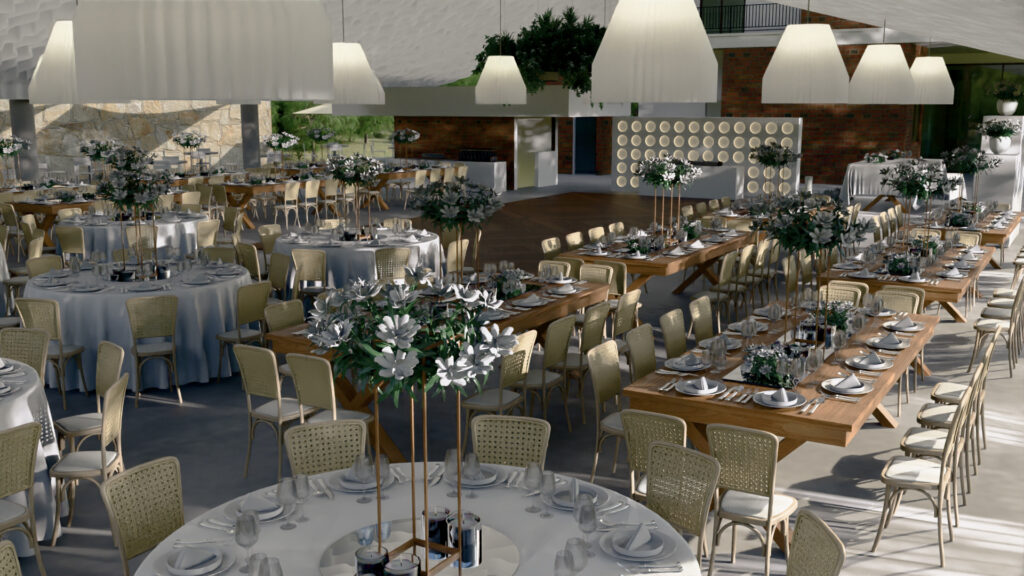
With accommodations for over 200 guests, a chapel, an event hall, and a private estate nestled in the natural surroundings of Malinalco.
Realistic and varied looks for a church wedding, for both women and men