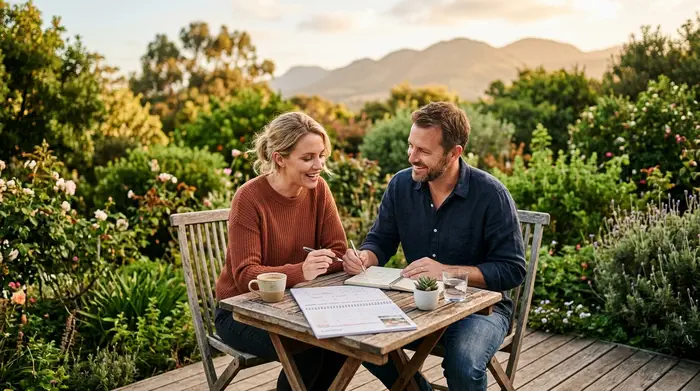
Choosing the perfect date for your wedding in Mexico involves far more than picking a pretty day on the calendar. That date determines the weather during your ceremony, the availability of the vendors you dream of hiring, your final budget, and even the mood your guests will bring as they travel to your celebration. For couples planning a wedding in the State of Mexico or near the capital, the decision becomes even more strategic, since rainy season, long weekend holidays, and demand for venues like event halls or haciendas can completely change the experience. This guide walks through the real factors a couple should weigh before locking in a date, from month by month weather to peak and off peak season costs, so the decision is made with information, not just excitement.
The date a couple chooses quietly influences almost every other planning decision. The weather on the day determines whether the ceremony can be held outdoors or whether it makes sense to book a covered space as backup. The season also determines how quickly you need to confirm your photographer, band, or decorator, since the most in demand vendors are often booked six to twelve months ahead during the busiest months. Even the floral palette shifts, since certain seasonal flowers are more affordable and abundant in specific months, which directly affects the decor budget.
Couples planning a destination wedding near Mexico City add another variable, guest travel comfort. A date that falls on a long weekend can make it easier for more people to attend, but it also means heavier highway traffic and higher lodging rates in the area.
Across most of Mexico, the year splits into two broad climate seasons. Dry season runs roughly from November through May and brings clear skies, pleasant temperatures, and lower humidity, making it the most requested stretch for outdoor ceremonies in gardens, haciendas, or terraces. Rainy season, from June through October, brings showers that usually arrive in the afternoon and, while they do not rule out a beautiful wedding, do call for a covered backup plan.
| Season | Months | Advantages | Drawbacks |
|---|---|---|---|
| Dry season | November to May | Clear skies, dry gardens, outdoor ceremonies without risk | Higher demand, higher prices, book further ahead |
| Rainy season | June to October | Better rates, more availability, lush vegetation | Afternoon showers, need for a covered plan B |
In the State of Mexico, where the mountainous terrain and elevation moderate the temperature, dry season tends to bring mild days and cool nights, ideal for an outdoor ceremony followed by an evening reception. For couples who want the peace of mind of a covered backup without losing the garden aesthetic, having a private chapel within the same venue removes the uncertainty of moving guests to another location if the weather changes at the last minute.
Malinalco sits surrounded by mountains, just 90 minutes from Mexico City, giving it a milder microclimate than many beach destinations. During the dry months, from November through May, days are sunny with temperatures ranging between 72 and 82 degrees Fahrenheit, and nights cool down just enough for a reception with fire pits or fireplaces to feel cozy rather than uncomfortable. Between June and October, rain tends to concentrate in the afternoon and evening hours, leaving clear mornings that many couples take advantage of for midday ceremonies.
A venue with extensive gardens, like the 9 hectares that make up Gran Malinalco, allows the celebration to move between different points of the property depending on the light, shade, or wind that day, something that would be impossible in a closed city hall. Couples comparing venue options near the capital before locking in a date can review the alternatives available at wedding venues near Mexico City, where distance and climate work in the couple's favor.
The months traditionally most requested for weddings in Mexico are March, April, May, October, and December, periods when good weather coincides with vacation time and family gatherings. That same demand drives up prices for venues, catering, photography, and music, while also shrinking the number of available dates at the most sought after venues. By contrast, January, February, August, and September tend to offer more scheduling flexibility and better negotiating conditions with vendors, though August and September carry a higher chance of rain.
| Factor | Peak season | Off peak season | Impact on the couple |
|---|---|---|---|
| Typical months | March, April, May, October, December | January, February, August, September | Sets the price range from the start |
| Venue availability | Limited, calendars fill up months ahead | Wide open, more scheduling flexibility | Affects how far ahead you need to book |
| Vendor pricing | Premium rates due to high demand | Promotions and more room to negotiate | Can represent savings of 20 to 30% |
A benefit few couples research in time is whether the venue works on an exclusive buyout basis, which means that regardless of whether the date falls in peak or off peak season, the entire property is reserved for a single wedding that day, with no sharing of gardens, parking, or schedules with another event. Learning the rental terms and availability of the event hall several months in advance helps decide whether to prioritize a peak season date or take advantage of the savings from a less requested month.
If the couple wants a venue with favorable weather, extensive gardens, and the guarantee of not sharing the space with another event on the same day, it is worth checking date availability at Gran Malinalco before committing to a specific season.
Beyond choosing the right date, the dress is another decision that directly affects the wedding budget. If you are looking for ways to look stunning without overspending, check out this guide on a budget wedding dress with style, with real strategies for finding the perfect look without straining the rest of your budget.
Before announcing a date to the family, it is worth confirming the real availability of the photographer, caterer, and band or DJ the couple actually wants to hire. During peak season, these vendors often have waitlists of up to a year, so locking in the venue without checking this first can force a last minute vendor change or rushed pricing.
Some couples choose a date for its symbolic weight, such as the anniversary of their first date, the birthday of a late family member, or a number they consider lucky. This emotional criterion is valid and can coexist with logistical planning, as long as the couple checks whether that date falls in peak season and adjusts the budget accordingly.
Moving the wedding from a Saturday to a Friday or Sunday can meaningfully lower venue and catering costs, since Saturdays draw the highest demand of the year. Dates near long weekend holidays also make it easier for out of town guests to attend, though they do bring heavier highway traffic and higher lodging rates in the region.
There is no single perfect date for every couple, since it depends on each couple's priorities. Those looking for dry weather and clear skies tend to prefer November through May, while those prioritizing budget and availability find better conditions in January, February, August, or September. What matters most is matching that preference against the real availability of the chosen venue.
For a traditional wedding, it is recommended to book the venue nine to twelve months ahead, while a destination wedding or a peak season date can require up to twelve or fourteen months of lead time. Booking early also gives access to better rates before seasonal pricing rises.
Yes, as long as the venue has covered spaces that do not take away from the elegance of the celebration. In mountainous areas of the State of Mexico, like Malinalco, rain tends to concentrate in the afternoon and evening, which allows mornings to be used for the ceremony and covered areas to be reserved for the evening reception.
It is worth avoiding Holy Week if you are planning a religious ceremony, since many churches do not perform weddings during those days, and traffic toward the State of Mexico increases considerably. It is also wise to avoid dates that overlap with heavily traveled long weekends if you are looking for more exclusivity and less congestion on access roads.
The wedding date should not be decided by trends or outside pressure, but by a realistic combination of weather, budget, and the availability of everyone who will make the big day happen. Once the couple is clear on whether they prioritize clear skies, financial savings, or a date with personal meaning, the natural next step is to confirm that date with the venue before moving forward with the rest of the vendors. For couples considering a mountain setting, extensive gardens, and the peace of mind of a private chapel just 90 minutes from Mexico City, it is worth scheduling a visit with Gran Malinalco and checking date availability before the chosen season fills up.
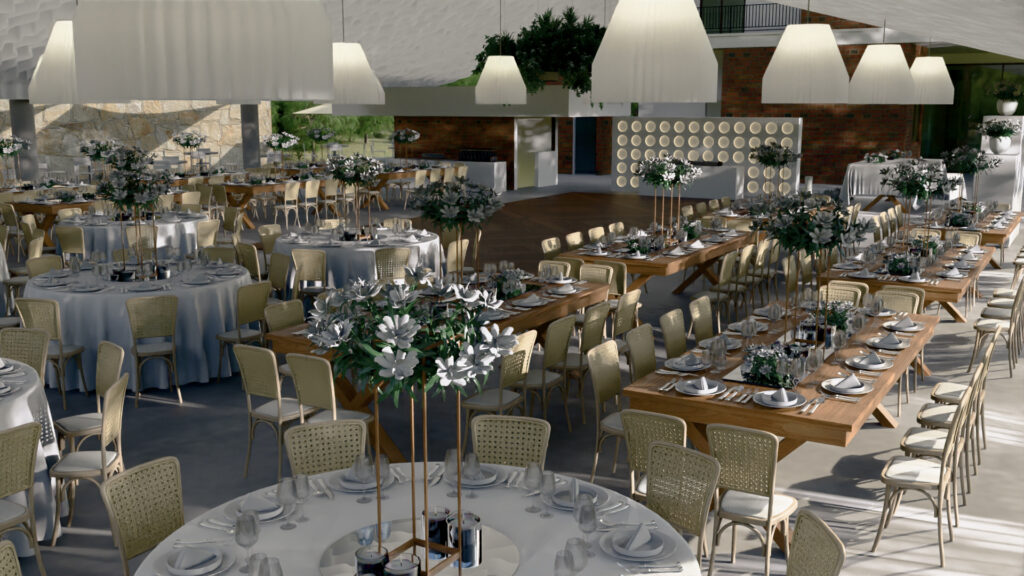
With accommodations for over 200 guests, a chapel, an event hall, and a private estate nestled in the natural surroundings of Malinalco.
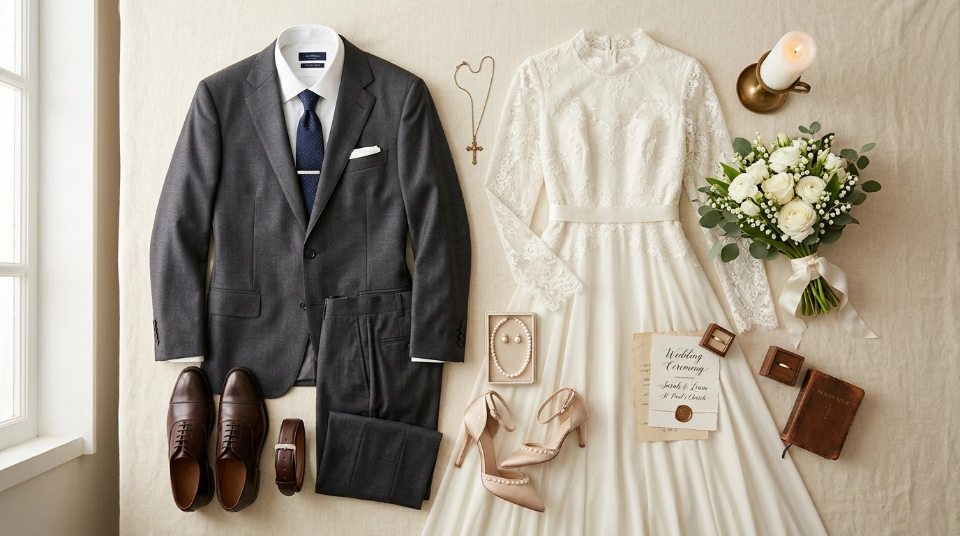
Realistic and varied looks for a church wedding, for both women and men